Are stomach ulcers caused by stress? The real cause and symptoms

A deadline lands, sleep disappears, and a burning pain starts high in your abdomen. It’s easy to join the dots and blame stress. For decades, that was the standard story about stomach ulcers too.
People have for a long time believed that a period of stress in your life is the main cause of stomach ulcers. However, that doesn't tell the whole story.
The modern explanation is more useful. Everyday stress can make digestive symptoms feel worse, but it usually doesn’t create the sore itself. Treating an ulcer means finding the real culprit rather than stopping at the most obvious name on the blame list.
Are stomach ulcers really caused by stress?
No. Ordinary psychological stress is not considered a main cause of peptic ulcers. The two leading causes are H. pylori infection and regular use of non-steroidal anti-inflammatory drugs, known as NSAIDs. Stress may worsen pain or indigestion, but it is not the usual source of the damage. The NHS stomach ulcer guidance lists H. pylori and NSAIDs as the main causes.
Critically ill people can develop stress-related damage after severe injury, burns, sepsis or major surgery. This results from serious physical illness and reduced blood flow, not a difficult week at work.
Our guide to gut conditions doctors rule out explains why bloating, pain and indigestion shouldn’t automatically be labelled as stress or IBS.
What causes stomach ulcers?
Most stomach ulcers are caused by H. pylori or NSAIDs. A peptic ulcer is an open sore in the stomach or duodenum, the first part of the small intestine. An ulcer in the stomach is gastric; one in the duodenum is duodenal.

The main causes are:
- H. pylori infection: The bacterium inflames and weakens the stomach’s protective lining.
- NSAID use: Medicines such as ibuprofen, naproxen and aspirin reduce substances that protect the lining.
- Less common causes: These include rare acid-producing conditions and some other illnesses or medicines.
H. pylori and NSAIDs can act separately, so treating the infection doesn’t remove the risk from continued NSAID use. Don’t stop prescribed aspirin or another medicine without medical advice.
Spicy food, coffee and acidic dishes don’t usually cause ulcers, though they may aggravate symptoms. Research doesn’t support a special ulcer diet as a cure.
What are the main stomach ulcer symptoms?
The most common symptom is burning, gnawing or aching pain in the upper abdomen. Some ulcers cause mild indigestion. Others stay quiet until bleeding develops.
Common stomach ulcer symptoms include:
- Pain between the breastbone and belly button
- Feeling full unusually quickly
- Bloating or frequent burping
- Nausea or vomiting
- Indigestion or reduced appetite
- Pain that comes and goes, sometimes at night
These signs overlap with reflux, gastritis, gallbladder problems, coeliac disease and inflammatory bowel disease. Read about coeliac disease symptoms or the early signs of Crohn’s if diarrhoea, weight loss or bowel changes sit alongside the pain.
Do gastric and duodenal ulcers feel different?
Sometimes, though pain timing cannot diagnose the ulcer type. Gastric ulcer pain may worsen soon after eating. Duodenal ulcer pain may ease with food, then return when the stomach is empty or a few hours later. Symptoms don’t always follow that pattern.
A clinician may use H. pylori testing, your medication history and, when needed, an endoscopy. Pain around meals is useful to record, but it is not proof that an ulcer exists or where it sits.
When can a stomach ulcer become dangerous?
Bleeding and perforation are the main emergencies. An ulcer may bleed slowly, causing anaemia and fatigue, or quickly enough to cause vomiting of blood and collapse. A perforation is a hole through the stomach or duodenal wall.

Get urgent help for:
- Vomit containing blood or material resembling coffee grounds
- Black, sticky, tar-like poo
- Sudden severe abdominal pain
- A hard or very tender abdomen
- Fainting, marked weakness or breathlessness
- Repeated vomiting or trouble swallowing
Call 999 or go to A&E for severe bleeding, collapse or sudden intense pain. Don’t wait for a home test. The Rezure guide to blood in your poo covers stool colour and urgent warning signs.
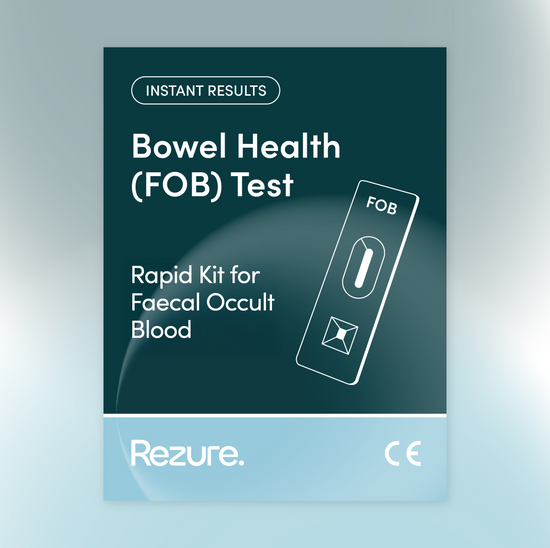
If blood isn’t visible, the Bowel Health (FOB) Rapid Home Test checks for faecal occult blood. It cannot locate bleeding or diagnose an ulcer. A positive result needs medical follow-up. See how IBD and FOB tests differ.
How are stomach ulcers treated in the UK?
Peptic ulcer treatment in the UK depends on the cause. Proton pump inhibitors, or PPIs, reduce stomach acid so the lining can heal. If an NSAID is responsible, a clinician may stop it, lower the dose, switch medicines or add acid protection. Never change prescribed medication on your own.
If H. pylori is found, treatment combines a PPI with antibiotics. NICE recommends eradication treatment for people who test positive and have peptic ulcer disease. Finish the full course, even if symptoms settle earlier.
A PPI helps heal the sore. Antibiotics address the bacterial cause. Acid suppression alone may calm the pain without removing H. pylori, leaving the ulcer able to return.
Why does eradicating H. pylori prevent ulcers coming back?
Eradication removes a continuing source of inflammation and damage. Once the bacterium has gone and the ulcer has healed, recurrence is much less likely than with acid-lowering treatment alone. NHS guidance reports lower relapse and complication rates after eradication.
Follow-up testing can check for ongoing infection. Guidance advises waiting at least four weeks after antibiotics and stopping PPIs for two weeks before a stool antigen or urea breath test, unless your clinician says otherwise. Testing too soon can produce a false-negative result.
Can you test for H. pylori at home?
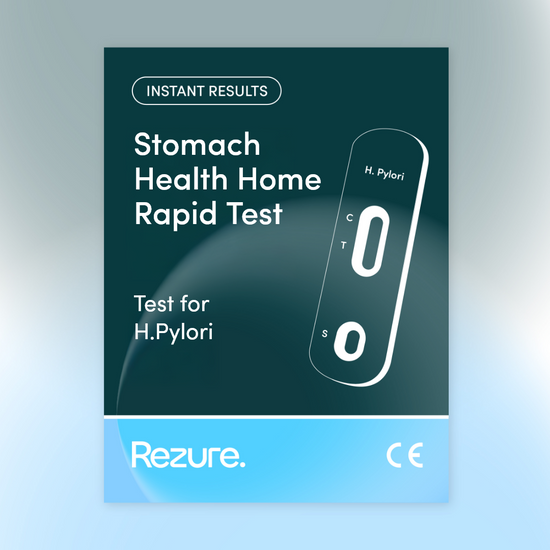
Yes. The Stomach Health Home Rapid Test for H.Pylori detects H. pylori antigens in stool. It can give an initial indication before treatment and may be used after treatment when the timing and medication washout are right. A positive result suggests the bacterium is present; it does not prove that you have an ulcer.
Before testing:
- Wait at least four weeks after antibiotics for a post-treatment check.
- Leave a two-week gap after PPIs when medically safe.
- Follow the kit instructions closely.
- Seek medical care for continuing symptoms, weight loss, swallowing problems, anaemia or bleeding.
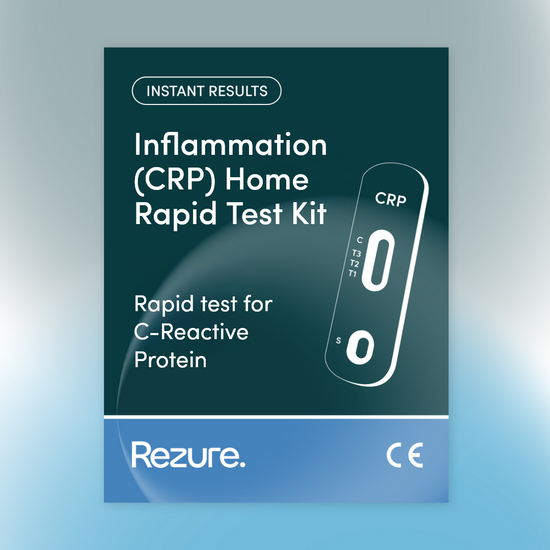
Other tests answer different questions. The Inflammation (CRP) Rapid Home Test Kit checks a broad inflammation marker, but cannot confirm an ulcer or identify H. pylori. Our guide to high CRP results explains that limit.
Upper abdominal discomfort can also occur with liver problems, especially alongside jaundice, dark urine, pale stools or itching. The Liver Health Rapid Home Test checks urine markers linked to liver health, not ulcers. Read the truth about liver cleanses for more on liver symptoms and testing.
What should you do if ulcer symptoms keep returning?
Don’t keep treating recurring pain as a stress problem without checking the cause. Record where the pain sits, how meals affect it, which medicines you take and any changes in appetite, weight or stool colour. Then speak to a GP or pharmacist about H. pylori testing and NSAID use.
Stress may still be part of the experience. It just shouldn’t get all the blame. Once the cause is identified, treatment can move beyond quieting the pain and towards healing the ulcer and reducing the chance that it comes back.