What is coeliac disease? Gluten, symptoms and tests

The first clues that point towards coeliac disease are often very ordinary. You’ll enjoy a sandwich at lunch, pasta in the evening, or toast before work. Then the same pattern keeps turning up: bloating, cramps, tiredness, a change in bowel habit, or a nagging sense that food is not sitting right.
That doesn’t automatically mean coeliac disease, though. Digestive symptoms can have many causes. Stress, infection, IBS, food intolerance, medication and other gut conditions can all overlap.
Still, if gluten keeps appearing near the scene of the crime, it’s worth knowing what coeliac disease is and how proper testing works.
What is coeliac disease?
Simply, coeliac disease is an autoimmune condition triggered by gluten.
In people with coeliac disease, the immune system reacts when gluten is eaten. That reaction can damage the lining of the small intestine, where the body absorbs nutrients from food. Over time, this can lead to gut symptoms and wider problems, including tiredness, low iron, low vitamin levels, or poor bone health.

Gluten is a protein found in:
-
Wheat
-
Barley
-
Rye
That means gluten can appear in bread, pasta, cakes, breakfast cereals, many sauces, some ready meals, and most beers. Some gluten-containing ingredients are obvious, while others are easier to miss.
Vital wheat gluten, for example, is often used to add structure and chew to foods such as seitan, high-protein breads, and some meat-free products.
What symptoms can coeliac disease cause?
Coeliac disease can cause digestive symptoms, body-wide symptoms, or very few obvious symptoms. If your symptoms are mainly digestive, our article on testing for digestive issues may help you think through other possible causes, too.
The gut symptoms people often notice include:
-
Diarrhoea
-
Constipation
-
Bloating
-
Wind
-
Stomach pain
-
Indigestion
-
Nausea
Some people search for gluten allergy symptoms when they’re trying to make sense of these changes. That phrase is common online, but coeliac disease is not a gluten allergy. A wheat allergy is a separate immune reaction. Gluten sensitivity is also different, as it may cause symptoms after gluten without the same autoimmune gut damage seen in coeliac disease.
Coeliac disease can also show up away from the gut. Possible signs include:
-
Ongoing fatigue
-
Unexplained weight loss
-
Mouth ulcers
-
Iron deficiency anaemia
-
Vitamin B12 or folate deficiency
-
An itchy blistering rash called dermatitis herpetiformis
-
Fertility problems
-
Tingling, balance issues or nerve symptoms
Why isn’t coeliac disease just gluten intolerance?
Coeliac disease can damage the small intestine. Gluten intolerance does not appear to cause the same autoimmune injury.
That difference matters. If someone with coeliac disease keeps eating gluten, even with mild symptoms, they may stay at risk of nutrient deficiencies and longer-term complications. That’s why getting the right answer matters more than simply guessing and cutting out foods.

A useful way to think about it:
-
Coeliac disease: autoimmune reaction to gluten, with possible damage to the small intestine
-
Non-coeliac gluten sensitivity: symptoms linked to gluten, without confirmed coeliac disease or wheat allergy
-
Wheat allergy: allergic reaction to wheat proteins, which may involve hives, swelling, breathing symptoms or digestive symptoms
The names overlap in everyday conversation. The biology doesn’t.
For a closer comparison of the two conditions people often confuse, read our guide to gluten intolerance or coeliac disease.
What mechanism is behind coeliac disease?
In coeliac disease, gluten triggers an immune response in the gut.
When someone with coeliac disease eats gluten, the immune system reacts to parts of the gluten protein. This process can lead to inflammation and damage to villi, the small finger-like structures that line the small intestine. Villi help absorb nutrients from food. If they become damaged, the body may absorb less iron, folate, vitamin B12, vitamin D and other nutrients.
If low iron, low B12 or tiredness keep coming up, our guide to nutrient deficiencies explains what can sit behind them.
This is why coeliac disease can feel confusing. The meal might cause bloating, yet the bigger clue might be something like low iron, fatigue or mouth ulcers. If low nutrient levels keep coming up, our guide to nutrient deficiencies explains what may be behind them.
When should you consider testing for coeliac disease?
You should consider testing if you have symptoms that fit coeliac disease, or if your risk is higher.

Testing may be worth discussing with a GP if you have:
-
Ongoing bloating, diarrhoea, constipation or stomach pain
-
Unexplained tiredness
-
Unexplained iron, folate or vitamin B12 deficiency
-
Unexplained weight loss
-
Dermatitis herpetiformis
-
A first-degree relative with coeliac disease
-
Type 1 diabetes or autoimmune thyroid disease
-
Fertility problems or recurrent miscarriage
-
Abnormal liver test results without a clear cause
How does an NHS coeliac blood test work?
In the UK, a coeliac blood test is often arranged through a GP.
This blood test looks for antibodies linked with coeliac disease. If the result suggests coeliac disease, you may be referred to a gastroenterologist. Some people then need a biopsy of the small intestine, in which a specialist checks for damage to the gut lining.
A key detail: you usually need to keep eating gluten before and during testing. If you start a gluten-free diet too early, your antibody levels may fall, and the test may miss signs that would otherwise show up.
NICE says people having blood tests for coeliac disease should eat some gluten in more than one meal every day for six weeks before the test. If you’ve already cut gluten out and don’t want to restart, speak with your GP. The next step may need to be different.
Can you use an at-home celiac test?
An at-home test can help you check for antibody indicators linked with coeliac disease. While it does not replace a clinical diagnosis, it will give you a fast indication whether the antibodies associated with coeliac disease are present in your blood.

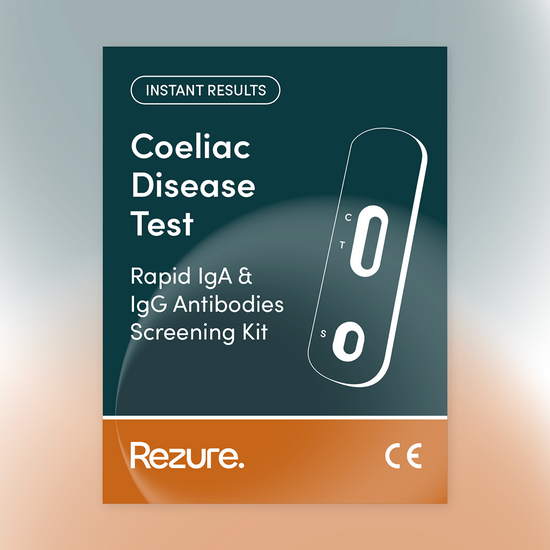
A Coeliac Disease Rapid Home Test Kit uses a small blood sample and looks for IgA and IgG antibodies against deamidated gliadin peptides.
It’s a screening tool, not a final answer, so a positive result should be followed up with a healthcare professional. A negative result also doesn’t rule coeliac disease out in every case, especially if you’ve already reduced gluten, stopped gluten, or have an antibody issue such as IgA deficiency.
People often search for testing for gluten intolerance when they mean testing for coeliac disease. That distinction matters. Antibody tests can help screen for coeliac disease. They don’t prove general gluten sensitivity.
What should you do before testing?
Don’t remove gluten before you understand the testing route.
Before testing, keep these points in mind:
-
Keep eating gluten unless a clinician tells you otherwise
-
Don’t start a gluten-free diet before a coeliac blood test
-
Tell your GP if you’ve already reduced gluten
-
Mention family history of coeliac disease
-
Mention autoimmune conditions such as type 1 diabetes or thyroid disease
-
Mention nutrient deficiencies, especially iron, B12, folate or vitamin D
This can feel counterintuitive. If gluten seems to be causing symptoms, stopping it feels logical. The problem is that coeliac tests rely on detecting the immune response that happens while gluten is still in the diet.
What happens if your test is positive?
A positive test means you should speak with a healthcare professional about confirmation and next steps.
Your GP may arrange further blood tests, review your symptoms and refer you to a gastroenterologist. Depending on your results, age, local pathway, and clinical picture, the diagnosis may involve additional blood tests or a biopsy.
Don’t start long-term dietary changes without medical guidance if you’re still moving through testing. Once coeliac disease is diagnosed, the main treatment is a strict gluten-free diet. That means consistently avoiding gluten, not just cutting down.
What if your test is negative but symptoms continue?
A negative test can be reassuring, but it doesn’t always end the story.
You may still need medical advice if symptoms continue, worsen or come with red flags such as blood in your stool, unexplained weight loss, persistent vomiting, severe pain, or signs of anaemia. Coeliac disease can sometimes be missed if you were not eating enough gluten before testing. Some people also need different antibody checks if they have IgA deficiency.
Other possibilities may include IBS, inflammatory bowel disease, infection, lactose intolerance, wheat allergy, non-coeliac gluten sensitivity, gallbladder issues, thyroid problems or another cause.
This is where a symptom diary can help. Note what you ate, when symptoms started, how long they lasted and any changes in bowel habit.
If you’re also dealing with urinary symptoms, bowel changes, fatigue, or other health concerns, Rezure offers additional home tests for digestive health and general health, including the Bowel Health (FOB) Rapid Home Test, the Iron Deficiency Anaemia Home Rapid Test Kit, and the Liver Function Rapid Home Test. These are different tests for different questions, so choose based on symptoms rather than trying to make one test answer everything.
How do you move from suspicion to clarity?
Start with the pattern, then test properly.
If bread, pasta or other gluten-containing foods keep appearing before symptoms, don’t ignore the pattern. Don’t overread it either. Coeliac disease is a specific autoimmune condition, and it needs the right kind of testing.
The practical route is simple:
-
Keep gluten in your diet before testing
-
Speak with your GP if symptoms fit coeliac disease or if your risk is higher
-
Use an at-home screening test only as an initial indicator
-
Follow up positive results, unclear results or ongoing symptoms
-
Don’t commit to a lifelong gluten-free diet without proper medical input
That brings us back to the sandwich, the pasta, the toast. Food patterns can be useful clues. They’re not a diagnosis. Testing helps turn a hunch into something you can act on with more confidence.