Are liver cleanses real or effective? The truth behind detoxing

You know the feeling: it’s Sunday evening, the recycling bin is full of bottles, dinner has been beige, and your phone starts serving you ads for a liver cleanse. Try this new green drink. You just need one capsule. Check out our new “liver renew” plan.
You’re promised that you can reset yourself by Tuesday.
It’s tempting because the symptoms feel real: tiredness, bloating, nausea, brain fog, itchy skin, dark urine, or a sore feeling under the ribs. The problem is that “detox” has become a soft word for many different products, procedures, or lifestyle changes. Some are harmless habits dressed up as science. While others may delay a proper check. A few could make things worse.
This guide looks at what liver detoxes and cleanses are likely to do, what they probably can’t do, and how your liver actually handles waste.
What is a liver cleanse or liver detox?
A liver cleanse is usually a short-term product or routine that claims to help your liver clear toxins, recover after you’ve consumed alcohol, or to improve digestion.
Common versions include:
-
Juice fasts or low-calorie detox diets
-
Herbal teas and laxative blends
-
Liver supplements with milk thistle, turmeric, dandelion or artichoke
-
“Liver flush” drinks using oil, citrus or salts
-
Liver health supplements sold as daily support
-
Branded “liver renew” or “liver reset” plans
The language varies. Liver cleanse, liver detox, liver support and liver repair can all mean different things depending on who is selling the product.
Medically, detox has a narrower meaning. It usually refers to supervised treatment for poisoning, drug withdrawal or alcohol withdrawal. That is not the same as drinking a juice mix after a heavy weekend.
Do liver detoxes actually work?
There isn’t good evidence that a liver detox removes toxins from the body or repairs liver damage.

America’s National Center for Complementary and Integrative Health (NCCIH) says human studies on detox programmes are small and often low quality. A 2015 review found no compelling evidence for detox diets for toxin removal or weight control. A 2017 review found that juicing or detox diets may cause short-term weight loss through low-calorie intake, with weight often returning after normal eating resumes.
That doesn’t mean everyone who tries a liver cleanse imagines the benefit. You might feel better during one because you have:
-
Stopped drinking alcohol for a few days
-
Eaten fewer ultra-processed foods
-
Slept more
-
Drunk more water
-
Reduced large, fatty meals
-
Cut back on late-night snacking
Those changes can help you feel clearer. They don’t prove the supplement or cleanse has detoxified your liver.
Why do people feel worse before they try a cleanse?
People often search “how to detox liver” after noticing vague symptoms. That matters because early liver problems can be quiet or easy to mistake for something else.
Symptoms that can overlap with liver concerns include:
-
Feeling tired all the time
-
Feeling generally unwell
-
Nausea or reduced appetite
-
Discomfort under the right ribs
-
Itchy skin
-
Yellowing of the eyes or skin
-
Dark urine or pale stools
-
Swelling in the abdomen, ankles or legs
The British Liver Trust notes that many people with early liver disease have no symptoms, or only vague ones. NHS guidance also says non-alcoholic fatty liver disease, now often called MASLD, does not usually cause symptoms and may be found during tests for another reason.
That’s why a symptom-led approach works better than a cleanse-led one. Ask what changed and how long it has lasted. Ask if there are risk factors such as alcohol intake, carrying excess weight, diabetes, high cholesterol, regular medication use or past hepatitis risk.
What does the liver actually do?
Your liver is already part of your body’s waste-handling system. It doesn’t need a commercial cleanse to start working.

Your liver helps to:
-
Process alcohol, medicines and other substances
-
Make bile, which helps digest fats
-
Process bilirubin from old red blood cells
-
Store and release energy
-
Make proteins involved in blood clotting and other body functions
-
Support digestion, metabolism and immune function
Bilirubin is worth paying attention to here. It is a yellow substance made when old red blood cells break down. Your liver processes it so it can be excreted from the body in bile. Urobilinogen is linked to the same pathway and appears in small amounts in urine.
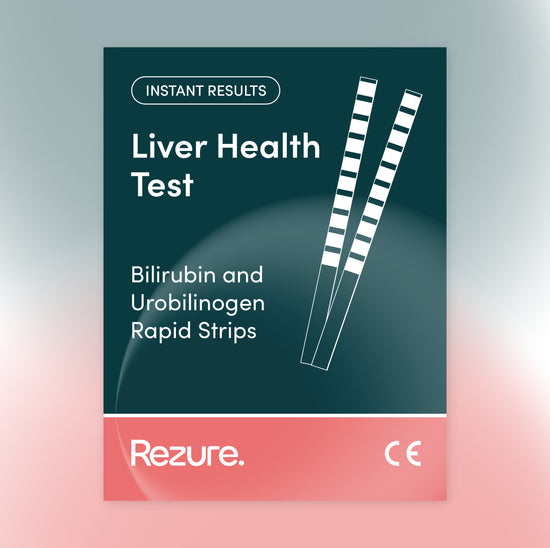
The Liver Health Rapid Home Test Rezure sells checks for bilirubin and urobilinogen in urine, along with other urine markers. It can’t diagnose fatty liver disease, hepatitis or cirrhosis on its own. It can give you a fast indication that two liver-related markers may need follow-up.
What about milk thistle and liver supplements?
Milk thistle is one of the best-known liver supplements. Its active compound, silymarin, has been studied in liver disease, including hepatitis, alcohol-related liver disease and non-alcoholic fatty liver disease.
The results are mixed. NCCIH says clinical trials of milk thistle for liver diseases are conflicting or too limited to draw firm conclusions. Two NCCIH-funded studies, including one in non-alcoholic steatohepatitis, did not show benefit from silymarin supplementation.
That leaves a practical middle ground. Milk thistle may be well tolerated by many people, but it should not be treated as a proven liver repair treatment. It may also cause digestive side effects, and supplement quality can vary.
Be especially careful with liver supplements if you:
-
Take regular medication
-
Have known liver disease
-
Are pregnant or breastfeeding
-
Have allergies to plants in the same family as milk thistle
-
Are combining several liver health supplements at once
-
Are using a product with unclear ingredients or high doses
Natural does not always mean low risk. Some herbal and dietary supplements have been linked with liver injury, and detox products may contain hidden or poorly controlled ingredients.
Can a liver detox help fatty liver disease?
A liver detox is not a recognised treatment for fatty liver disease.
Fatty liver disease, also called NAFLD or MASLD, happens when fat builds up in the liver. It is often linked with weight, waist size, type 2 diabetes, high blood pressure, high cholesterol and low physical activity.

NHS guidance says that healthy lifestyle changes can reduce fat build-up in the liver and help prevent further damage. The British Liver Trust says weight loss of 5 to 10% in people who are overweight can help control and sometimes reverse MASLD.
The useful actions are less dramatic than a cleanse:
-
Cut down on alcohol, especially if you drink most weeks
-
Keep within the UK low-risk guideline of no more than 14 units a week
-
Build towards 150 minutes of activity each week
-
Aim for steady weight loss if you carry excess weight
-
Improve blood pressure, cholesterol and diabetes control
-
Speak to a GP if symptoms persist or risk is high
If kidney concerns sit alongside liver or metabolic risk, a kidney health test can be a relevant, separate check, as kidney health is also linked to diabetes, high blood pressure, and fatty liver disease.
When should you check instead of cleanse?
A cleanse can feel like action. Checking gives you information.
You should seek medical advice if you notice jaundice, dark urine, pale stools, severe tiredness, persistent nausea, right-sided abdominal pain, swelling, unexplained weight loss or itching that does not settle.
Go to A&E or call 999 if you vomit blood, pass very dark black tar-like poo, feel unusually confused, struggle to stay awake or develop new jaundice.
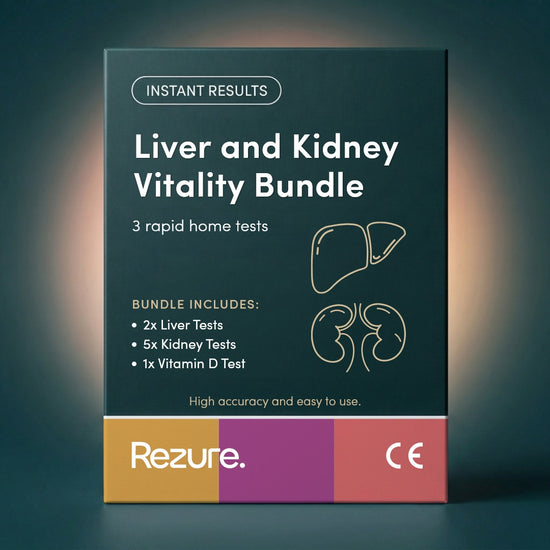
For a simple first look at urine markers, the Liver Health Rapid Home Test checks bilirubin and urobilinogen at home in around 60 seconds. If you want to check a few related areas at the same time, the liver and kidney vitality bundle brings liver, kidney and vitamin D tests together.
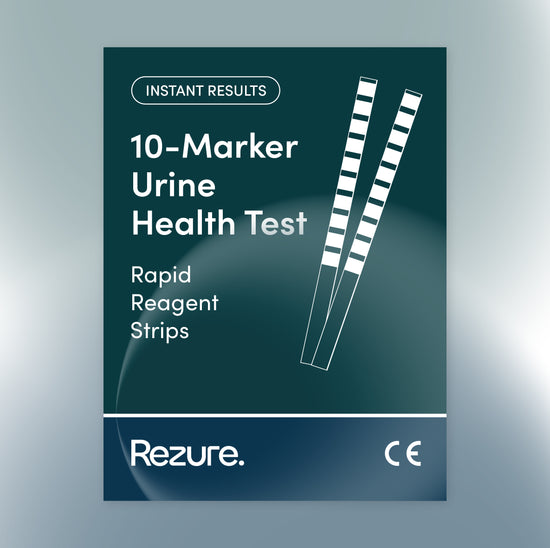
For broader urine changes, including protein, blood, glucose, ketones, nitrites, leukocytes, bilirubin and urobilinogen, urinalysis tests may suit people who want a wider home screen. An abnormal result is still a prompt to follow up, not a diagnosis.
What’s the sensible takeaway on liver detoxes?
The best reading of the evidence is simple: liver detox products are unlikely to cleanse your liver in the way they claim.

If a cleanse makes you feel better, the benefit may come from cutting alcohol, eating lighter meals, sleeping more or drinking more water. Those are real changes. The detox label adds more promise than proof.
So, on that Sunday evening, you don’t need to punish your body with a reset. You can do something quieter and more useful: look at your symptoms, check your risk, cut back where it makes sense, and test if you need a clearer starting point.