Gout flare-up: What to do in the first 24 hours and how to prevent the next one

It’s 2 am and your big toe suddenly objects to the weight of the bedsheet. By breakfast, putting a sock on feels ambitious.
Gout can move quickly. The pain often comes on suddenly as urate crystals trigger intense inflammation inside a joint, commonly the big toe, foot, ankle or knee. An untreated attack may last one to two weeks, according to NHS gout guidance.
What you do early matters. Gout first aid is partly about getting the inflammation under control, then using the quieter period afterward to work out why the attack happened and how to make another one less likely.
What should you do when a gout attack starts?
Act early, reduce pressure on the joint and use the gout flare-up treatment recommended for you.
NICE guidance recommends an NSAID, colchicine or a short course of an oral corticosteroid as first-line treatment for a gout flare. The right choice depends on your other health conditions, medicines and personal circumstances.
If you already have medication prescribed for attacks, the NHS advises taking it as soon as symptoms begin.
For the first 24 hours:
- Take your prescribed treatment promptly rather than waiting for the pain to peak.
- Rest the affected joint and raise the limb when practical.
- Apply an ice pack wrapped in a towel for up to 20 minutes at a time.
- Keep pressure off the joint, including heavy bedding if even light contact hurts.
- Drink water regularly unless you’ve been told to restrict fluids.
- Contact your GP if this is your first suspected attack.

If you’re searching for what to do during a gout attack or how to stop gout pain, the aim isn’t to somehow flush the attack away. You’re trying to settle the inflammation while avoiding things that make an already angry joint work harder.
Which medicines help a gout flare-up?
NSAIDs, colchicine and corticosteroids can all reduce inflammation during an acute attack.
NSAIDs such as ibuprofen or naproxen are commonly used, but they aren’t suitable for everyone. Kidney problems, stomach ulcers and some other medicines can change what is safe, so check with a doctor or pharmacist if you’re unsure.
Colchicine is another established treatment. It is not a general painkiller and taking too much can be dangerous, so use the prescribed dose rather than adding extra when the pain is severe. NICE also lists oral corticosteroids as a first-line option, particularly when other treatments aren’t appropriate.
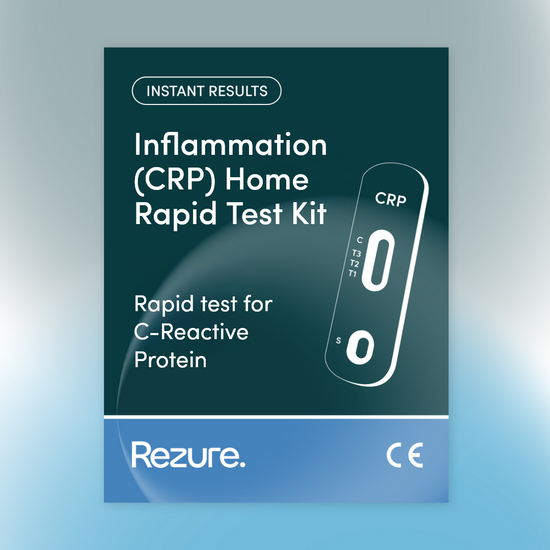
A gout flare can also raise general inflammatory markers such as CRP. The Inflammation (CRP) Rapid Home Test Kit Rezure sells checks CRP, but a raised result cannot confirm that gout is the cause. Our guide to CRP and joint pain explains that distinction, while high CRP results can have many other causes.
What should you avoid during a gout attack?
Don’t treat gout with aspirin unless a clinician has specifically told you to do so.
The BNF’s gout treatment guidance recommends NSAIDs for acute attacks but specifically excludes aspirin. Aspirin can affect uric acid handling and is not the standard anti-inflammatory treatment for gout.
There is an important exception. If you already take low-dose aspirin because it has been prescribed to prevent a heart attack or stroke, don’t stop it because you develop gout. Speak to your doctor or pharmacist about suitable pain treatment instead. NHS prescribing guidance supports continuing low-dose aspirin when it is medically indicated.
During a flare, avoid:
- Aspirin as your chosen gout painkiller.
- Putting unnecessary weight or pressure on the joint.
- Heavy drinking, particularly if alcohol seems to trigger your attacks.
- Becoming dehydrated.
- Crash dieting or fasting in an attempt to bring uric acid down quickly.

That last point matters. Gout flare-up treatment is not a 24-hour detox exercise. Sudden dietary changes won’t remove the crystals already provoking inflammation.
When does a painful swollen joint need urgent medical help?
Get urgent medical advice if a hot, swollen joint comes with worsening pain, fever, shivering, sickness or feeling markedly unwell.
Gout can resemble septic arthritis, an infection inside the joint that needs rapid treatment. The NHS advises requesting an urgent GP appointment or contacting NHS 111 when these symptoms occur.
Seek urgent help if:
- The pain is rapidly getting worse.
- You have a high temperature or feel hot, cold or shivery.
- You feel sick or cannot eat.
- You feel generally very unwell.
Don’t use a home test to decide that a severely inflamed joint is safe to ignore.
Why can the first gout attack go undiagnosed?
The first attack can look like an injury, infection or another form of arthritis, especially when the big toe isn’t involved.
A UK study of 43 people with gout found large differences in the path to diagnosis. Some were diagnosed at their first appointment, while others reported delays lasting months or years. Reasons included self-treatment, attacks in less typical joints and initial misdiagnosis. The researchers were clear that their qualitative study could not show how common each experience was.
Timing can complicate blood tests too. If serum urate is below 360 micromol/L during a flare but gout is still strongly suspected, NICE advises repeating the blood test at least two weeks after the attack has settled.
This is also why a raised uric acid result without symptoms needs different interpretation. Our guide to high uric acid without gout covers that situation separately.
How do you prevent another gout flare-up?
Long-term prevention means keeping urate low enough that existing crystals can gradually dissolve and new ones are less likely to form.
For people who need urate-lowering treatment, allopurinol is a common first-line medicine. It doesn’t treat the pain of the attack happening today. Taken regularly, it lowers urate and reduces future attacks. The NHS notes that allopurinol is normally started after an acute attack has settled.

NICE recommends a treat-to-target approach, generally aiming for serum urate below 360 micromol/L. A target below 300 micromol/L may be considered for people with tophi, chronic gouty arthritis or continuing frequent flares.
Between attacks, focus on:
- Taking urate-lowering medicine consistently if it has been prescribed.
- Drinking enough fluid to avoid dehydration.
- Reducing excess alcohol.
- Losing weight gradually if you are overweight.
- Avoiding crash diets and long fasts.
- Reviewing medicines that may affect urate with your GP.
Diet gets a lot of attention, but NICE says there isn’t enough evidence that one specific diet prevents gout attacks or lowers serum urate. A healthy, balanced diet is a better starting point than an extreme list of banned foods.
For more detail, read what can happen when uric acid stays high and how hydration affects your kidneys.
Can monitoring uric acid show if prevention is working?
Yes, but the measurement matters. Clinical gout treatment is adjusted using serum urate from a blood test.
Repeated results can show if urate-lowering treatment is bringing your level towards the target set with your clinician. That gives you much more information than waiting to see if another painful attack appears.
The Gout (Uric Acid) Urine Rapid Test Strips Rezure sells measure uric acid in urine and are intended for professional use. They can support monitoring in that setting, but urine uric acid is not interchangeable with the serum urate measurement used in NICE treatment targets.
Kidney health can also matter because your kidneys help clear uric acid. The Kidney Health Rapid Home Test checks urinary protein, creatinine and specific gravity. Persistent abnormalities need proper medical assessment, as explained in our guide to protein in urine.
Alcohol is another common trigger. If heavier alcohol use has raised separate concerns about liver health, the Liver Health Rapid Home Test checks urinary bilirubin and urobilinogen. It does not test for gout or measure serum urate.
By the time the bedsheet feels harmless again, the flare may seem finished. That’s the easy moment to forget about gout until the next 2 am wake-up call. Treating the attack deals with today’s inflammation.
Checking the cause, controlling urate and dealing with your own triggers is what gives you a better chance of avoiding the repeat performance.