What does protein in urine mean? Causes, kidney health and when to test

You're standing in the bathroom, waiting for the shower to warm up, when you notice something odd in the toilet bowl. The water looks frothy. Not a few bubbles that vanish in seconds, but a persistent layer of foam sitting on the surface.
Most people flush and forget it. Foam can happen if you urinate quickly or if there's cleaning product in the bowl. But if you see it regularly, your body might be hinting at how your kidneys are handling their filtering job. That lingering froth is often the first visible sign of protein in urine.
What is protein in urine?
Protein in urine, medically called proteinuria, means your kidneys are letting protein leak through their filters into your urine.
Healthy kidneys keep large molecules like albumin inside your blood. Think of the kidney's filtering units — called glomeruli — as a fine mesh. Water and small waste products pass through; protein stays behind. When those filters become damaged or strained, the mesh loosens. Protein slips through.
A trace amount can be normal. But when levels stay raised, it tells you the filtration process isn't working properly. The NHS lists proteinuria as one of the ways chronic kidney disease is detected during routine checks.
What causes protein to leak into urine?
Proteinuria isn't a disease. It's a signal that something else is affecting your kidneys. Causes split broadly into temporary and persistent.
Temporary causes (usually harmless):
- Fever or acute illness
- Intense physical exercise
- Severe dehydration
- Emotional stress
- Urinary tract infections
These tend to resolve once the trigger passes. If you're unsure whether dehydration is playing a part, our guide to what your urine says about kidney health covers how colour and concentration fit in.
Persistent causes (need medical attention):
- Diabetes — high blood sugar damages the kidney's blood vessels over time
- High blood pressure — forces blood through the filters too aggressively, scarring them
- Kidney infections such as pyelonephritis
- Glomerulonephritis and other immune-mediated kidney diseases
- Polycystic kidney disease
Diabetes and high blood pressure account for the majority of chronic kidney disease cases in the UK. Kidney Research UK estimates that around 3.5 million people in England have CKD, and many don't know it.

Are there visible signs of kidney disease?
Kidney problems are quiet in their early stages. You can lose a large portion of function before anything feels different.
When kidney disease symptoms do show up, they tend to be vague:
- Swollen ankles, feet, or puffy eyes (fluid retention)
- Needing to urinate more often, especially at night
- Persistent tiredness or difficulty concentrating
- Nausea or reduced appetite
- Muscle cramps
- Itchy skin
Fatigue alone can stem from many causes. We explored why low energy can link the liver, kidneys and vitamin D in a previous post — it's worth reading if tiredness is your main concern.
Because the signs are so easy to dismiss, waiting for symptoms isn't a reliable strategy. Checking a urine marker like protein gives you information before damage becomes advanced.
How does chronic kidney disease progress?
CKD is graded in five stages based on your estimated glomerular filtration rate (eGFR), which measures how efficiently your kidneys filter waste.
At stages 1 and 2, damage exists, but the kidneys still function well. You're unlikely to feel anything, though protein may already be appearing in your urine. This is the window where lifestyle changes — managing blood pressure, controlling blood sugar, reducing salt — can slow or stop progression.
Stage 3 kidney disease means a moderate drop in function. Swelling or urinary changes might start. Stage 4 kidney disease is severe, often requiring specialist care from a nephrologist. Stage 5 is kidney failure, where dialysis or transplant becomes necessary.
The earlier you catch a decline, the more options you have. That's the practical argument for testing before symptoms force the issue.

Who should be checking their kidneys?
You don't need to test weekly. But certain groups benefit from regular monitoring:
- People with diabetes or high blood pressure
- Anyone with a family history of kidney failure or polycystic kidney disease
- Those who've had recurrent kidney stones
- People over 60 (kidney function naturally declines with age)
- Anyone taking long-term medications that affect the kidneys, such as NSAIDs
If you fall into one of these groups, annual kidney checks are standard advice. Even outside them, persistent foamy urine or unexplained swelling warrants a look.
How does a home kidney test work?
A home test gives you a fast, private way to screen key markers without booking an appointment. It won't diagnose CKD, but it can flag something worth following up.
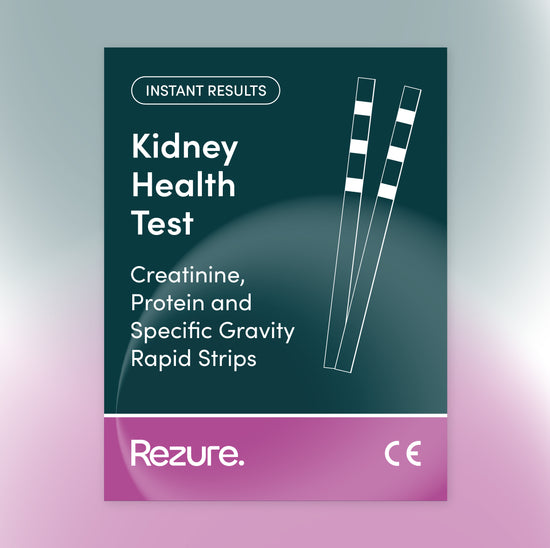
The Kidney Health Rapid Home Test checks three urine markers: protein, creatinine, and specific gravity. Protein tells you whether your filters are leaking. Creatinine — a waste product from normal muscle activity — gives context about how well the kidneys are clearing waste. Specific gravity measures urine concentration, which helps distinguish genuine proteinuria from a result skewed by dehydration.
You dip the strip into a fresh urine sample, wait briefly, and compare the colour pads to the chart provided. It takes a couple of minutes.
If you want a broader picture, the Liver and Kidney Vitality Bundle checks both organs together — useful since the liver and kidneys share the work of processing waste. For a wider urinary screen covering blood, glucose, nitrites, and other markers, the Home Urinary Health Dipstick Test Strips – 10 Markers offers more breadth. And if you're also experiencing gut symptoms alongside urinary changes, the Digestive Test Bundle – 4 Rapid Home Gut Health Tests can help separate overlapping concerns.

What should you do if protein shows up?
Don't panic. A single positive result doesn't mean you have renal kidney disease.
Exercise, illness, or even standing for long periods can cause temporary protein leakage. Repeat the test a few days later under normal conditions — first thing in the morning is ideal, as overnight urine gives the most consistent reading.
If the result stays positive, book a GP appointment. Bring your home test results and a note of any other changes you've noticed. Your doctor will likely request a lab urine test (albumin-to-creatinine ratio) and a blood test (eGFR) to measure kidney function precisely. From there, they'll decide whether you need imaging, a referral to a nephrologist, or simply closer monitoring.
That froth in the bowl
Next time you're waiting for the shower and notice something different, don't just flush it away. Foamy urine is one of those quiet messages your body sends before louder symptoms arrive.
Protein in your urine isn't a diagnosis. It's a prompt. A reason to check, not to worry. And checking is simple enough that there's no good reason to put it off.