High uric acid but no gout symptoms: Should you still be concerned?

You open a set of test results, and one line is marked as high: uric acid. Your joints feel normal. It can feel like a warning light that has appeared while the car still drives normally.
High uric acid doesn’t always lead to gout, but it can point to future gout, some kidney stones and wider metabolic risks.
What does asymptomatic hyperuricaemia mean?
Asymptomatic hyperuricaemia means you have a raised uric acid level in your blood without gout attacks or other clear symptoms. It is a laboratory finding, not a diagnosis of gout.
Uric acid forms when your body breaks down purines. Levels rise when your body makes more than usual or your kidneys clear less. As the Mayo Clinic explains, most people with high uric acid do not have gout or kidney stone symptoms.
A raised result is best treated as a risk marker that needs context. Possible concerns include:
-
Future gout if urate stays high
-
Uric acid kidney stones
-
Reduced clearance linked to kidney problems
-
Metabolic risks such as obesity and high blood pressure
Family history, kidney function and medicines affect what the result means. Our guide to uric acid staying high covers what may happen once crystals begin causing trouble.
Can high uric acid affect your kidneys without gout?
Yes. Uric acid stones can form when urine contains a lot of acid and becomes concentrated. Dehydration makes that environment more likely. The NHS kidney stone guide lists uric acid build-up and low fluid intake among recognised causes.
Severe side or back pain, nausea, blood in the urine or pain when passing urine need medical assessment. Kidney checks may also help when high urate appears alongside high blood pressure, diabetes or repeated abnormal results.

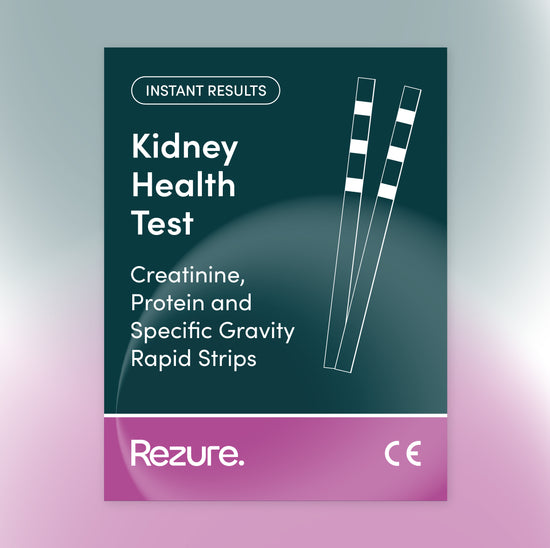
The Kidney Health Rapid Home Test Rezure sells checks protein, creatinine and specific gravity in urine. It cannot diagnose kidney disease, though it can flag changes worth discussing. You can also read what protein in urine may show about kidney filtration.
Does high uric acid cause heart disease?
High uric acid is linked with cardiovascular disease, but that does not prove it directly causes heart attacks or strokes. It often appears alongside established risks such as obesity, high blood pressure, kidney disease, insulin resistance and high cholesterol.
A recent scientific review describes links between hyperuricaemia, blood vessel dysfunction, metabolic disease and cardiovascular problems. Researchers are still working out how much uric acid drives these changes and how much it reflects other conditions already present.
The useful response is to check the known risks:
-
Blood pressure
-
Blood glucose or HbA1c
-
Cholesterol and triglycerides
-
Kidney function
-
Weight and waist measurement
-
Smoking and activity levels
The Total Cholesterol Rapid Home Blood Test Kit gives an initial total cholesterol result. A full lipid panel provides more detail, as our guide to total cholesterol testing explains.
What is the link with metabolic syndrome?
High uric acid often sits within metabolic syndrome, a group of changes that raises the risk of type 2 diabetes and cardiovascular disease. These include excess abdominal weight, raised blood pressure, high blood sugar, high triglycerides and low HDL cholesterol.
The relationship runs in several directions. Insulin resistance can reduce uric acid excretion through the kidneys. Fructose can increase uric acid production. Higher body weight can affect production and clearance at the same time.
A broader check makes sense if you also have raised blood pressure, abnormal cholesterol, high glucose, fatty liver disease or a family history of type 2 diabetes. Our guide to diabetes prevention and monitoring explains how glucose, cholesterol and kidney markers fit together.
When is treatment recommended without gout?
Most people with asymptomatic hyperuricaemia are not given urate-lowering medicine solely because a blood result is high. The 2020 ACR guideline recommends against starting medication for most people who have never had a gout flare or tophi.
The 2024 KDIGO guideline also advises against using urate-lowering drugs purely to slow kidney decline in people with chronic kidney disease and no symptoms.
Treatment may still be used for:
-
Confirmed or recurrent uric acid stones
-
Tumour lysis risk during some cancer treatments
-
Rare inherited disorders affecting uric acid
-
Specialist-led cases with other clinical concerns
Uric acid stone treatment may include medicine that makes urine less acidic, and sometimes allopurinol.
Which lifestyle factors raise uric acid levels?
Alcohol, fructose-rich drinks, excess weight and dehydration can push uric acid upwards. Genes and kidney clearance also matter.

Practical changes include:
-
Drink regularly, unless a clinician has limited your fluids
-
Cut back on beer, spirits and binge drinking
-
Reduce sugary soft drinks and high-fructose products
-
Aim for gradual weight loss if you are overweight
-
Avoid crash diets and long fasts
-
Moderate organ meats, large red-meat portions and some shellfish
The NHS gout guidance recommends a healthy weight, regular exercise and avoiding dehydration. You do not need to remove every purine-containing food.
How should you monitor uric acid over time?
Use repeat results to build a pattern. One reading can shift after dehydration, illness, alcohol or fasting. Your GP may repeat serum urate and check kidney function, blood pressure, glucose and lipids.
Blood urate and urine uric acid are different measurements. The Gout (Uric Acid) Urine Rapid Test Strips Rezure sells measure uric acid in urine and are intended for professional use. They can support monitoring, but confirming asymptomatic hyperuricaemia requires a blood urate result and medical context.

When tracking results:
-
Use the same test method where possible
-
Note hydration, alcohol, illness and medicine changes
-
Focus on a repeated pattern
-
Share persistent abnormal readings with your GP
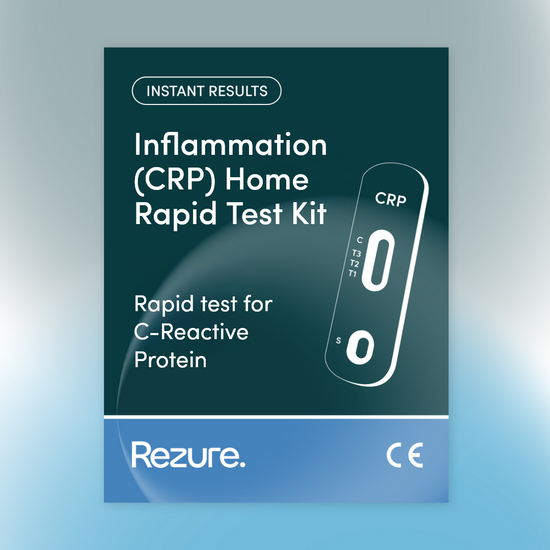
Other tests may add context. The Inflammation (CRP) Rapid Home Test Kit checks C-reactive protein, a broad inflammation marker rather than a gout test. Our article on a high CRP result explains its limits. For a wider urine screen, see how urine dipstick markers are interpreted.
Should you be concerned if you feel fine?
Follow it up, but don’t assume the worst. High uric acid with no gout symptoms often calls for monitoring, not immediate medication.
Speak to your GP if results stay high, you have kidney disease, you take medicines that affect urate, or you develop joint swelling, severe side pain or blood in your urine. That quiet warning light may never turn into gout. It still gives you a reason to check what else is happening under the bonnet.