What is antibiotic-resistant gonorrhoea? Why supergonorrhoea matters

You get diagnosed with gonorrhoea, receive treatment and expect that to be the end of it. For most people in the UK, that’s exactly what happens.
The concern starts when the usual ending changes. Some strains of the bacteria that cause gonorrhoea can survive antibiotics that would normally clear the infection. These cases remain rare in Britain, but they’re being detected more often.
That has turned antibiotic-resistant gonorrhoea from a theoretical problem into something sexual health services actively watch for.
If you’re looking for the basics before getting into resistance, Rezure’s guide to gonorrhoea symptoms and testing covers symptoms, silent infections and when testing makes sense.
What is antibiotic-resistant gonorrhoea?
Antibiotic-resistant gonorrhoea is an infection caused by Neisseria gonorrhoeae that is less susceptible, or resistant, to one or more antibiotics used against it.
The phrase supergonorrhoea usually refers to strains with resistance to several antibiotic classes, particularly extensively drug-resistant, or XDR, gonorrhoea. The WHO gonorrhoea fact sheet describes XDR strains with resistance to ceftriaxone alongside resistance to other antibiotic groups.
That distinction matters. A resistant strain doesn’t necessarily cause different symptoms. Pain when passing urine, unusual genital discharge, pelvic discomfort or no symptoms at all can still occur. You generally can’t tell from symptoms that you have a drug-resistant STI.
How common is supergonorrhoea in the UK?
Ceftriaxone-resistant gonorrhoea is still uncommon in England, but the direction of travel has concerned public health teams.
The latest UKHSA surveillance data reported 84 ceftriaxone-resistant infections in England between the first detected case in 2015 and 8 May 2026. Twenty-five were classed as extensively drug-resistant. There were 29 ceftriaxone-resistant cases reported in 2025, compared with 13 during 2024, and another 17 had already been reported during 2026 by 8 May.
That rise sits beside a different trend. England recorded 63,943 gonorrhoea diagnoses in 2025, down 10.9% from 71,766 in 2024, according to the latest English STI data. So overall diagnoses fell while resistant cases became more frequent.

The numbers aren’t a reason to assume every infection is resistant. They are a reason to take treatment failure and follow-up seriously.
Why does the WHO treat resistant gonorrhoea as a priority?
The WHO classifies third-generation cephalosporin-resistant and/or fluoroquinolone-resistant Neisseria gonorrhoeae as a high-priority antibiotic-resistant pathogen.
Its 2024 priority pathogens list is designed to guide antibiotic research, public health action and investment in new treatments. Gonorrhoea earned its place because the bacterium has repeatedly developed resistance to drugs used against it.
Ceftriaxone is especially important. It is currently the main first-line treatment in the UK and one of the last dependable options for treating gonorrhoea empirically. Resistance to it leaves clinicians with fewer straightforward choices.
WHO estimated around 82.4 million new gonorrhoea infections among people aged 15 to 49 globally in 2020. Even a relatively uncommon resistant strain therefore has opportunities to spread if it isn’t detected and controlled.
How does gonorrhoea become resistant to antibiotics?
Resistance develops when genetic changes allow some bacteria to survive antibiotic exposure. Those bacteria can then multiply and spread.
Neisseria gonorrhoeae is particularly good at adapting. WHO links resistance to genetic mutations, inappropriate antibiotic selection and overuse, as well as the bacterium exchanging genetic material with related organisms. Throat infections can be particularly important because related Neisseria bacteria naturally live there.
Factors that can help resistance persist or spread include:
- Using antibiotics when they aren’t needed
- Taking an antibiotic that the strain already resists
- Not taking a multi-dose treatment exactly as prescribed
- Continued transmission before infection has cleared
- Missing resistant infections because culture and susceptibility testing weren’t available
This is why guessing at treatment is a poor approach. It also explains why a gonorrhoea diagnosis should be handled through an appropriate healthcare service rather than with leftover antibiotics.
How is gonorrhoea treated in the UK now?
For uncomplicated anogenital or throat gonorrhoea, current UK guidance recommends ceftriaxone 1 g given as a single intramuscular injection.
This is worth spelling out because older information about dual therapy is still easy to find. Routine first-line treatment in Britain is not currently ceftriaxone plus azithromycin. The BASHH 2025 guidance recommends ceftriaxone alone when standard first-line treatment is suitable.

Dual therapy still has a place in some alternative regimens. For example, BASHH lists cefixime plus azithromycin and gentamicin plus azithromycin among alternatives when ceftriaxone cannot be used. Treatment for confirmed resistant infection may need specialist advice and antibiotic susceptibility results.
For most uncomplicated cases, there therefore isn’t a long gonorrhoea antibiotic course to finish. If you’re given an alternative or additional multi-dose antibiotic, take every dose exactly as prescribed.
After treatment:
- Follow the treatment plan you were given
- Don’t reuse leftover antibiotics
- Tell recent partners so they can be assessed
- Avoid sex until seven days after you and your partner or partners have completed treatment
That last recommendation comes directly from current BASHH guidance.
When do you need a gonorrhoea test of cure?
A test of cure checks that treatment has actually cleared the infection. Current UK guidance doesn’t require one after every case.
BASHH recommends routine test of cure for people who:
- Still have symptoms or signs
- Had gonorrhoea in the throat
- Have unknown antimicrobial susceptibility
- Received treatment other than ceftriaxone
- Are pregnant
For someone with an anogenital infection treated with ceftriaxone 1 g, and with known ceftriaxone susceptibility, routine test of cure is not normally needed.
Timing matters too. BASHH recommends waiting at least two weeks after treatment for an NAAT test of cure. Testing too soon can detect genetic material left by bacteria that are already dead, producing a positive result that needs careful interpretation. If symptoms are still present, culture can be used from at least 72 hours after treatment.
That’s why simply testing the next day again doesn’t tell you if treatment worked.
What should you do if gonorrhoea treatment doesn’t seem to be working?
Persistent symptoms deserve medical review, especially after correctly administered treatment.
Gonorrhoea treatment not working can mean genuine treatment failure, but that isn’t the only explanation. Reinfection from an untreated partner can cause another positive result. Chlamydia or another infection may also be responsible for continuing symptoms. BASHH specifically notes that co-infections are common enough to consider when symptoms persist.
If discharge, pain when passing urine or other symptoms continue, contact a sexual health service rather than taking another antibiotic yourself.
Urinary symptoms can also overlap with UTIs. Rezure’s Home Urinary Tract Infection (UTI) Rapid Test Strips check urine markers linked to urinary infection, but they cannot diagnose gonorrhoea. Vaginal symptoms have other possible causes too, as our guide to thrush and BV symptoms explains.
Can rapid gonorrhoea testing be used for a test of cure?
Rapid testing can contribute to initial assessment, but it shouldn’t replace the laboratory follow-up recommended for a formal test of cure.
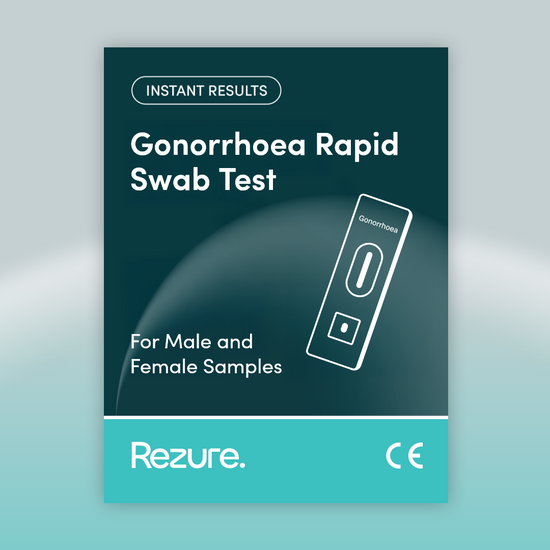
The Gonorrhoea Rapid Male and Female Swab Test detects gonorrhoea antigen from female cervical or male urethral swabs. It is explicitly intended for professional use. It is not a home self-test.
The product can give professionals a rapid preliminary result, but BASHH’s test-of-cure pathway relies on NAAT or culture, depending on the circumstances. Culture also has an extra role in suspected resistance because it allows antimicrobial susceptibility testing.
So a rapid negative result after treatment shouldn’t be used to override a clinician’s request for formal test of cure.
Should you test for other infections after a gonorrhoea diagnosis?
Yes. Current BASHH guidance says people diagnosed with gonorrhoea should also be tested for chlamydia, syphilis and HIV, unless HIV has already been diagnosed.
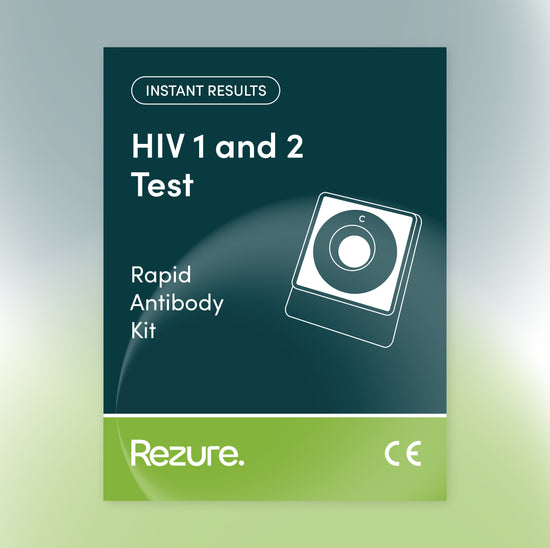
The HIV (1 and 2) Rapid Home Test Kit is one option for HIV antibody testing at home, although timing after exposure matters and any reactive result needs clinical confirmation. Rezure’s guide to HIV testing after exposure explains the relevant window periods, while regular HIV testing looks at ongoing risk.
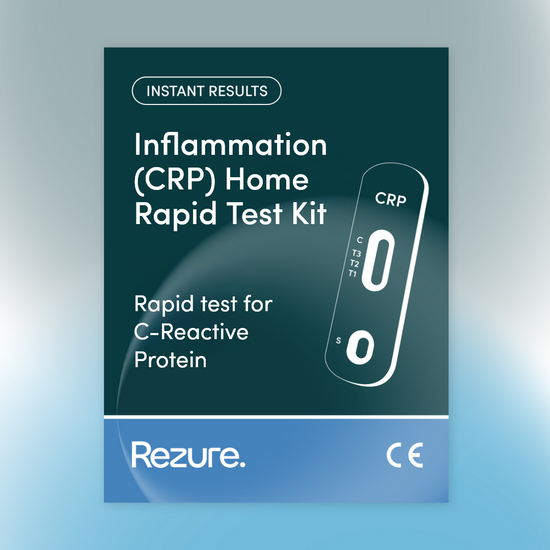
If fever or joint pain develops, that needs clinical attention. Gonorrhoea can rarely spread beyond its original site and affect joints or cause more serious illness. The Inflammation (CRP) Rapid Home Test Kit measures a general inflammation marker, but CRP cannot tell you that gonorrhoea has spread or that treatment has failed. Our guide to CRP and joint pain explains that limitation.
What should you remember about supergonorrhoea?
Most gonorrhoea in the UK remains treatable with ceftriaxone. Resistant infections are still a small minority, even though recent surveillance shows they’re becoming more frequent.
The practical response is less dramatic than the supergonorrhoea label suggests. Get the right diagnosis. Take the treatment prescribed. Follow advice about partners and sex after treatment. If your clinician recommends a test of cure, have it at the right time.
That brings us back to the usual ending. Treatment should clear gonorrhoea. When it doesn’t, the answer isn’t to keep trying antibiotics until something works. It’s to find out why.