HIV testing after exposure: Window periods, accuracy and what to do while you wait

After a possible HIV exposure, a few dates can start to take over your phone calendar: 72 hours, 28 days, 45 days and 90 days. Each means something different. Mixing them up can lead to a test that feels reassuring but was taken too early.
If the exposure happened within the past 72 hours, don’t wait for a home test. Seek medical advice about post-exposure prophylaxis, known as PEP. After that, the right testing date depends on the type of HIV test you use.
What should I do immediately after possible HIV exposure?
Contact a sexual health or HIV clinic as soon as possible if the exposure was within 72 hours. PEP is a 28-day course of HIV medication that may stop infection from becoming established. It works best when started within 24 hours and must begin within 72 hours. A clinician will assess the risk before prescribing it. Current PEP advice explains the process.
Take these steps now:
- Contact a sexual health or HIV clinic and say you may need PEP.
- Go to A&E if clinics are closed.
- Do not wait for symptoms or a home test result.
- Note the exposure date and type of contact.
PEP after exposure in the UK is free through the NHS for people who meet the prescribing guidance. It is not normally supplied by GPs. The NHS clinic finder lists services that provide HIV testing, PrEP and PEP.

For information about ongoing risk rather than one recent event, Rezure’s guide to regular HIV testing covers who may benefit from testing more often.
What is the HIV window period?
The HIV window period is the time between infection and the point when a test can reliably detect it. During this period, a person may have HIV while receiving a negative result because the marker measured by the test has not reached a detectable level.
The window is not one fixed number. UK guidance uses 45 days for fourth-generation laboratory tests and 90 days for rapid point-of-care and self-tests such as the INSTI antibody test. The UK testing guidelines set these cut-offs around the point by which almost all infections should be detected.
A negative result inside the relevant window cannot rule out infection from that recent exposure.
How soon can I test for HIV?
You can test straight away for a baseline result, but it will mainly show your status before the recent exposure. You then need another test once the correct window has passed.

Use this timing guide:
- Within 72 hours: Seek urgent PEP assessment.
- Before 45 days: A clinic may test now and arrange a later test.
- At 45 days: A fourth-generation laboratory test can be used as the final test under UK guidance.
- At 90 days: An antibody-only self-test can reliably cover the exposure, provided there has been no later risk.
Terrence Higgins Trust’s HIV testing guidance gives the same 45-day laboratory and 90-day self-test windows.
If you take PEP, follow the clinic’s schedule instead. Guidance recommends a final fourth-generation test at least 45 days after finishing PEP. After a full 28-day course, that is at least 73 days after the exposure. Some clinics align this with a 12-week STI appointment.
What is the difference between antigen and antibody HIV tests?
A fourth-generation laboratory test looks for HIV antibodies and the HIV-1 p24 antigen. P24 is a viral protein that can become detectable before the body has produced enough antibodies, shortening the window period.
An antibody-only test looks for the immune response to HIV-1 and HIV-2. Antibodies can take longer to reach detectable levels, so rapid self-tests use the 90-day window. UKHSA states that combined antigen and antibody assays detect 99% of infections by 45 days. UKHSA laboratory guidance explains the role of p24.
This is central to HIV test accuracy. Test quality matters, but timing matters too. A test used too early can give a false-negative result.
When does a home HIV test give a reliable result?
An antibody-only home test gives its most reliable negative result 90 days after the latest possible exposure. Count from the most recent event, not the first one.

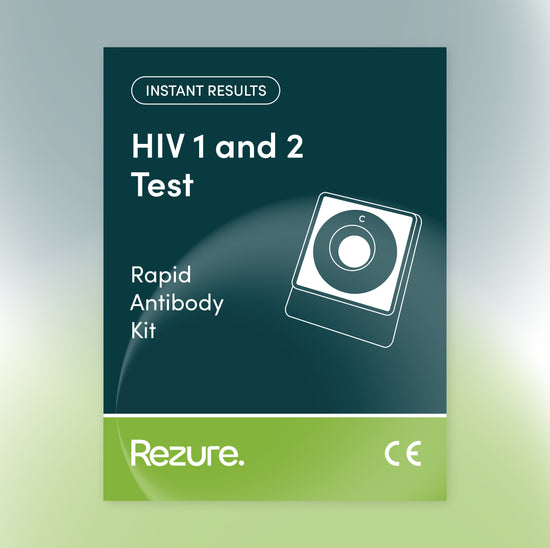
A home HIV (1 and 2) Rapid Home Test Kit is a finger-prick test that detects HIV-1 and HIV-2 antibodies. Product validation reported 100% sensitivity among known-positive samples, while 99.8% of known-negative participants tested negative. These figures do not remove the window period. Antibodies must already be detectable, and you must follow the instructions correctly.
Rezure’s articles on when home testing helps and accurate self-test results cover sample collection, timing and reading results.
Why might I need to repeat an HIV test?
Repeat testing closes the gap left by an early result. A clinic may test soon after exposure to check for an infection that existed beforehand, then test again after the window period.
Repeat the test when:
- The first test was taken before day 45 or day 90.
- A later possible exposure restarted the clock.
- The test was invalid.
- You took PEP or PrEP and received a follow-up plan.
- A rapid test was reactive and needs laboratory confirmation.
A reactive home result is not a final diagnosis. Contact a sexual health clinic or GP promptly for confirmatory laboratory testing.
Should I test for other infections while I wait?
Yes. PEP acts against HIV only. It does not prevent gonorrhoea, chlamydia, syphilis, hepatitis or pregnancy, so a sexual health clinic may recommend a wider screen with different testing dates.
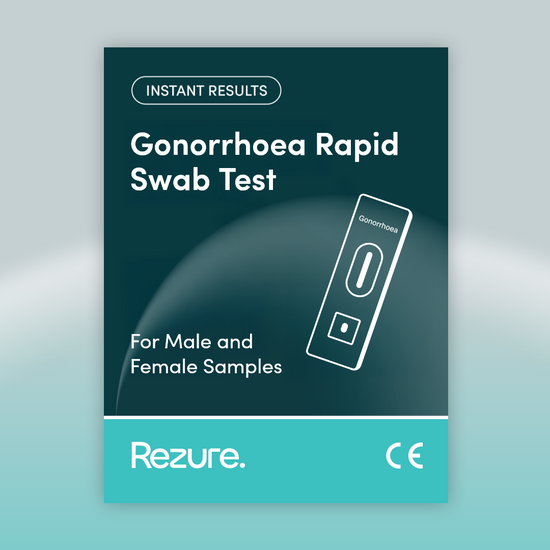
A Gonorrhoea Rapid Male and Female Swab Test is a professional-use antigen test, not an HIV test or a substitute for a clinic screen. Pain when passing urine, unusual discharge or pelvic discomfort should be assessed. The guide to thrush and BV symptoms explains why genital symptoms are easy to misread.
The Home Urinary Health Dipstick Test Strips – 10 Markers check urine markers linked to infection, blood, protein and other concerns. They cannot detect HIV or confirm gonorrhoea. The urine dipstick guide explains their limits.
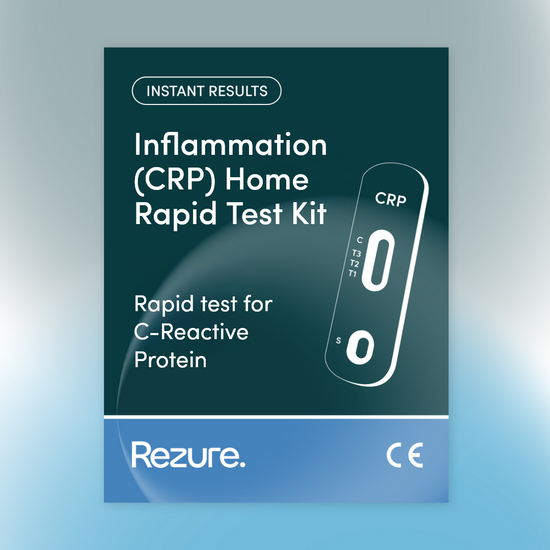
The Inflammation (CRP) Rapid Home Test Kit measures a general inflammation marker. CRP can rise for many reasons and cannot confirm or exclude HIV.
What can I do about the anxiety while I wait?
Turn the dates into a plan rather than testing repeatedly without a clear purpose. An early negative result may bring short-lived relief, then restart the uncertainty because it did not cover the window.

Make the waiting period clearer:
- Write down the exposure date and final test date.
- Arrange a clinic appointment now if you need a fourth-generation test.
- Use condoms and do not share injecting equipment during follow-up.
- Speak to a sexual health adviser if worry is affecting daily life.
- Seek medical advice for symptoms rather than trying to diagnose HIV from them.
The calendar cannot tell you the result. It can tell you the next useful action. Act within 72 hours if PEP may apply, use 45 days for a laboratory fourth-generation test, and use 90 days for an antibody self-test. Once the right date arrives, testing replaces the countdown with an answer.