Thrush or BV? How to tell the difference — and why testing beats guessing

You notice it at an ordinary moment, getting undressed for a shower, or checking after you've been to the toilet. An itch that wasn't there yesterday. A discharge that looks, or smells, different from what's normal for you.
Most people's first instinct is to guess. Is this thrush, the itchy, cottage-cheese-white infection almost everyone's heard of? Or is it something else entirely, something that needs a completely different kind of treatment?
Thrush and bacterial vaginosis (BV) are the two most common causes of unusual vaginal discharge, and they're frequently mistaken for each other. NHS guidance lists itching, soreness and thick white discharge as the hallmark signs of thrush, while BV usually shows up as a thinner, greyish discharge with a distinct smell and little to no itch. This guide explains how to tell the two apart, what your discharge and vaginal pH can reveal, and when a pH test is enough compared with when it's time to see a GP.

What's actually different between thrush and BV?
They come from entirely different causes. Thrush happens when a yeast called Candida, usually Candida albicans, which lives in the vagina without trouble under normal conditions, multiplies beyond its usual numbers.
BV isn't fungal. It's an imbalance of the bacteria that live in the vagina, where protective Lactobacilli drop off, and other bacteria fill the gap. Neither condition is classed as a sexually transmitted infection, though sexual activity can trigger either.
What does the discharge actually tell you?
Texture, colour and smell carry most of the useful information here, and they point in opposite directions for each condition.
- Thrush: thick, white, often described as looking like cottage cheese, and it doesn't usually smell. Itching and soreness around the vulva are the dominant symptoms.
- BV: thin and watery, greyish or off-white, with a noticeable fishy odour that's often stronger after sex or during a period. Itching is uncommon, and about half of people with BV have no symptoms at all.
- Neither: if there's bleeding between periods, pain passing urine, or a coloured discharge with a strong smell alongside itching, that pattern doesn't cleanly fit either condition and is worth a GP conversation instead of a guess.
Why does vaginal pH matter so much here?
A healthy vagina sits in a fairly narrow, mildly acidic range, roughly pH 3.8 to 4.5, kept there by the lactic acid Lactobacilli produce. Thrush tends to develop while pH stays within or below that range, which is the basis of over-the-counter pH test strips: a reading of 4.5 or under points towards thrush.
BV pushes things the other way. Losing Lactobacilli raises the pH, so a reading of 4.5 or higher is more consistent with BV. That single number won't diagnose anything alone, but it's a genuinely useful first data point when symptoms are ambiguous.
Can you have both at once?
Yes, and it's more common than people expect. Working out which condition is driving things, or whether it's both, is exactly the kind of overlap that comes up elsewhere, too, in the same way symptoms bleed into each other: gonorrhoea, cystitis, and other infections share similar territory. A pH reading outside the normal range here is a reason to see a doctor for a proper swab test rather than self-treat twice over.
What raises your risk of each?
The triggers barely overlap, which is part of why lumping the two together doesn't help.
- More likely to cause thrush: recent antibiotics, pregnancy, poorly controlled blood sugar, a weakened immune system, and tight or non-breathable underwear.
- More likely to cause BV: douching or internal washing, smoking, new or multiple sexual partners, and anything else that disrupts the vagina's natural bacterial balance.
Recurrent thrush alongside persistent tiredness or unusual thirst is sometimes one of the quieter clues behind undiagnosed diabetes, a link covered in more depth in our practical guide to fatigue.

Do home remedies for thrush actually help?
Some soothe the symptoms; very few clear the infection. Plain, unfragranced washing and an emollient instead of soap ease irritation in both conditions, and NHS guidance is consistent in advising against bubble bath, perfumed washes, and douching regardless of which one you have, since these products disrupt the same bacterial balance they're often marketed to protect. Live yoghurt applied topically is a popular suggestion online, but the evidence that it treats or prevents thrush is thin.
Diet, stress and everyday habits shape that bacterial balance over time, and that wider picture, beyond a single flare-up, is explored further in our piece on supporting a healthy vaginal microbiome naturally.
How are thrush and BV treated differently?
Thrush responds to antifungal treatment, a cream, a pessary, or a tablet, most of which are available over the counter once it's been diagnosed. BV needs antibiotics, usually metronidazole or clindamycin, which means a visit to a pharmacist or GP rather than a pharmacy shelf. Using antifungal cream for BV, or using nothing on either, tends to prolong the discomfort while the underlying cause goes unaddressed.

Where does testing fit into this?
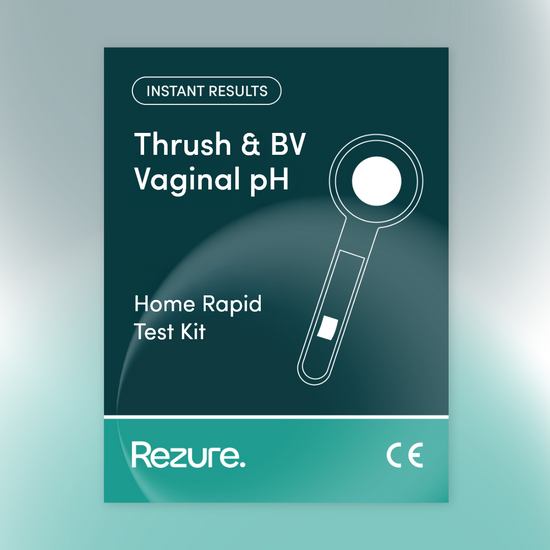
This is where a pH check earns its place. The Thrush & BV Vaginal pH Home Rapid Test Kit sells measures vaginal pH from a simple swab and gives a result in minutes, turning a guess into an actual data point before you decide what to buy or who to call.
It won't diagnose anything by itself, and a result outside the normal range still means following up, but it narrows two very different next steps down to one sensible direction.
Is it worth checking anything else at the same time?
Sometimes, depending on what else is going on. Oestrogen shapes vaginal pH, and the liver has a hand in processing hormones generally, so some people use a flare-up as a prompt to check liver markers too, with the Liver Health Rapid Home Test alone or alongside kidney and vitamin D markers in the Liver and Kidney Vitality Bundle; our piece on the liver's silent symptoms covers that connection further.
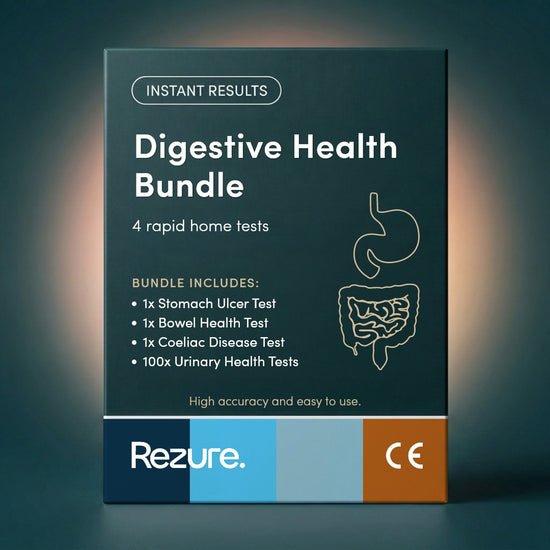
The gut and vaginal microbiomes share some of the same bacterial families, which is why digestive symptoms sometimes show up alongside vaginal ones, and the Digestive Test Bundle covers several markers there, discussed at greater length in our guide to what ongoing gut symptoms might be telling you.
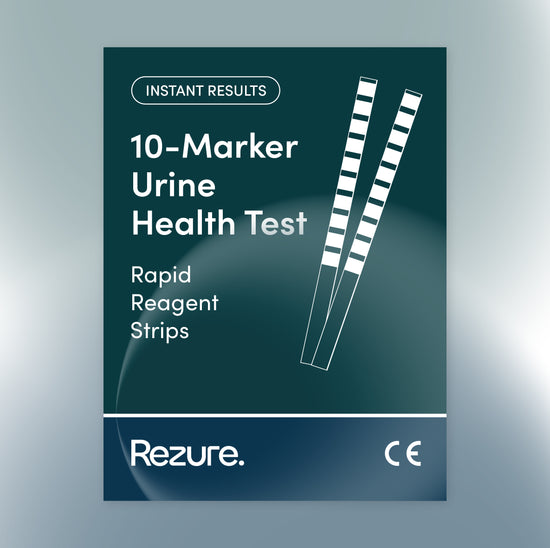
UTIs share ground with both thrush and BV too, so where that's part of the picture, the Home Urinary Health Dipstick Test Strips – 10 Markers check for infection alongside other markers, a topic our urine dipstick guide breaks down further.

When does it stop being a guessing game and become a GP visit?
A test strip or a symptom checklist is a starting point, not a final answer. Book an appointment rather than repeating a home treatment if:
- Symptoms are new to you, or don't match a pattern you've had confirmed before
- Treatment from the pharmacy hasn't worked after a week or two
- You're pregnant, under 16, or over 60
- There's bleeding between periods, pelvic pain, or a fever alongside discharge
- Symptoms keep recurring more than four times in a year
Back to that ordinary moment, getting undressed, noticing something's different. It doesn't have to end in a guess. A pH result, a clearer read on your symptoms, and a sense of when to stop self-treating and pick up the phone instead will usually point you to the right next step, or tell you it's time to see someone who can look properly.