Vitamin D and bone health: What women over 50 need to know about osteoporosis prevention

A small slip can feel almost comic at first. A wet paving stone. A missed step. A bag of shopping that pulls you off balance. Then the wrist hurts more than expected, or the hip pain does not pass.
That is the difficult thing about bone health after 50. You often do not feel your bones getting weaker. Osteoporosis usually develops quietly, and the first clear sign may be a fracture. For women, the years around menopause deserve close attention because falling oestrogen can speed up bone loss.
Vitamin D is part of this story, but it is not the whole story. Calcium, hormones, strength, falls risk, DEXA scans and, for some women, medication all matter.
Why does vitamin D matter for bones after 50?
Vitamin D helps your body regulate calcium and phosphate, which are needed for healthy bones, teeth and muscles. The NHS explains this link in its guidance on calcium and phosphate.
Calcium gives bone much of its hard structure. Vitamin D helps the body absorb and use calcium. If vitamin D is low for long enough, the body may struggle to maintain normal bone mineralisation. In adults, severe deficiency can also cause osteomalacia, which may lead to bone pain.
This is why people often search for vitamin D osteoporosis or vitamin D calcium bones when they start reading about bone strength. The terms are useful, as long as the conclusion stays realistic: vitamin D supports bone health, but taking vitamin D alone will not diagnose or treat osteoporosis.

In the UK, most people make vitamin D from sunlight from late March or early April to the end of September. Between October and early March, the NHS says we do not make enough vitamin D from sunlight. Adults need 10 micrograms a day, and most people should consider a supplement in autumn and winter.
Risk can be higher if you:
- Spend little time outdoors
- Cover most of your skin outside
- Have darker skin
- Live in a care home or are housebound
- Have gut conditions that affect absorption
For a broader look at symptoms and risk factors, Rezure’s guide to low vitamin D levels covers the signs without turning every ache into a diagnosis.
How does menopause affect bone health?
Menopause can accelerate bone loss because oestrogen helps protect bone density. When oestrogen falls, bone breakdown may outpace bone rebuilding. NHS DEXA guidance says older postmenopausal women are particularly at risk because oestrogen declines after menopause.
That does not mean every woman needs a scan the moment her periods stop. It does mean bone health menopause questions are worth taking seriously, especially if risk factors sit in the background.
Those risk factors include:
- Menopause before 45
- A parent who broke a hip
- Low body weight
- Smoking or heavy drinking
- Long-term oral steroid use
- Rheumatoid arthritis
- A previous fracture after a minor fall
The Menopause & Perimenopause (FSH) Rapid Home Test detects raised follicle-stimulating hormone in urine, which can indicate hormonal changes linked with perimenopause or menopause. It cannot assess bone density. Used sensibly, it can add one useful clue if symptoms, age and cycle changes are unclear.
If your symptoms started earlier than expected, Rezure’s piece on premature ovarian insufficiency explains why early menopause matters for bone and heart health. For the more usual midlife transition, perimenopause symptoms are covered separately.
How common is osteoporosis in UK women?
Osteoporosis is common in the UK, especially after midlife. The Royal Osteoporosis Society estimates that 3.5 million people in the UK have osteoporosis. It also says half of women and 20% of men over 50 will break a bone because of osteoporosis.
That is the reason osteoporosis prevention women over 50 deserves more than a passing mention. The risk is not confined to women who feel frail. Many people with osteoporosis feel well until a bone breaks.
Fragility fractures often affect the wrist, hip or spine. Spine fractures may not always happen with a dramatic fall. Sometimes they show up as height loss, back pain or a new curve in the upper back.
Speak to a GP if you notice:
- A fracture after a small fall or low-impact injury
- Sudden or persistent back pain after lifting or bending
- Loss of height
- A new stoop or curved upper back
- Strong family history of hip fracture
- Early menopause or long gaps between periods
Coeliac disease can also affect bone health because gut damage may reduce nutrient absorption. If bloating, bowel changes, low iron or fatigue sit alongside low vitamin levels, Rezure’s guide to coeliac disease symptoms is a useful related read.
When are DEXA scans offered?
A DEXA scan measures bone density using low-dose X-rays. It helps diagnose osteoporosis and estimate fracture risk. The NHS says a scan may be needed if you are over 50 with risk factors, or under 50 with certain risks such as smoking or a previous broken bone. A DEXA scan can detect small reductions in bone density before a fracture happens. See the NHS guide to DEXA scans.
In England and Wales, NICE recommends fracture risk assessment for women aged 65 and over, men aged 75 and over, and younger adults with risk factors. NICE advises using tools such as FRAX or QFracture before deciding on scanning in many cases. The NICE patient guidance explains fracture risk assessment.
A scan result is not the only deciding factor. Doctors also look at age, previous fractures, medicines, family history and other conditions. In some older people, fracture risk may be high enough for treatment to start without needing a scan first.
A DEXA scan also has limits. NHS guidance says it cannot show if low bone mineral density is due to osteoporosis or too little calcium in bone, often linked with lack of vitamin D. That is one reason blood markers and clinical history still matter.
Why is vitamin D testing a practical first step?
Vitamin D testing is practical because it checks one modifiable part of the bone-health picture. It does not diagnose osteoporosis, osteopenia or fracture risk. It can show if your vitamin D status needs attention before you rely on guesswork.
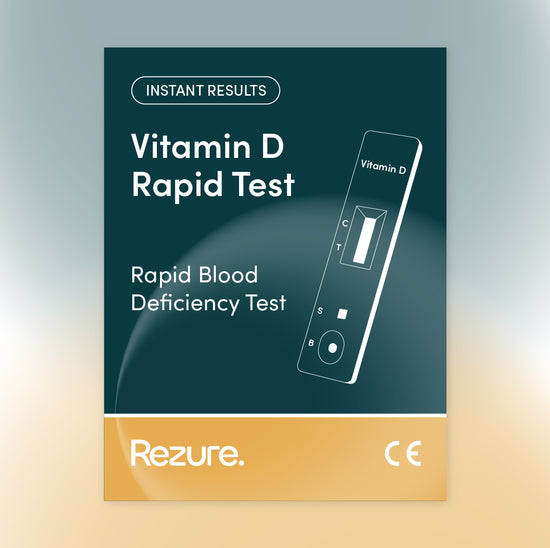
The Vitamin D Rapid Home Test Kit uses a small finger-prick blood sample and checks if vitamin D levels are sufficient, insufficient or deficient using a colour card comparison. The product page states that the test measures 25-hydroxy vitamin D, the main stored form used to assess vitamin D status.

Testing may be useful if:
- You are over 50 and spend little time outdoors
- You have muscle weakness or bone aches
- You take supplements and want a clearer starting point
- You have digestive issues that may affect absorption
- You are preparing for a GP conversation about bone risk
If the result suggests low vitamin D, follow it up. A GP may recommend lab testing, treatment-dose vitamin D or checks for causes such as absorption problems.
Also, do not assume vitamin D explains every symptom. Tiredness after 50 may involve sleep, thyroid function, iron stores, inflammation, diabetes, medicines or stress. Rezure’s persistent fatigue guide gives a wider way to think through overlapping symptoms.
The Iron Deficiency (Ferritin) Rapid Home Test Kit may be relevant if tiredness comes with heavy periods, low dietary iron or breathlessness. Rezure’s article on heavy periods and iron explains that link in more detail.
What exercise helps prevent osteoporosis?
Bones respond to load. Weight-bearing movement and resistance training tell the skeleton it still needs to stay strong. The NHS says weight-bearing and resistance exercise are particularly important for improving bone density and helping prevent osteoporosis. The Royal Osteoporosis Society recommends strength and impact exercise, built up gradually.
Good options may include:
- Brisk walking
- Stair climbing
- Dancing
- Squats or sit-to-stand practice
- Resistance bands
- Weights, matched to your ability
- Balance work to reduce falls
The right level matters. A woman with no fractures and good strength can usually build more progressively than someone with diagnosed osteoporosis, spine fractures or balance problems. If you already have osteoporosis, ask a GP or physiotherapist about safe movement before adding high-impact exercise or heavy lifting.
Exercise also protects more than bone density. Stronger legs, better balance and better reaction time can reduce the chance of falling. That matters because stronger bones are helpful, but avoiding the fall in the first place is just as practical.
When are supplements not enough?
Supplements help when intake or vitamin D status is low. They are not always enough when fracture risk is high, or osteoporosis is already present.
NHS osteoporosis guidance says treatment decisions depend on fracture risk, age, sex, previous injury and bone density. Treatment may include bisphosphonates, denosumab, raloxifene, teriparatide or HRT in suitable cases. Read the NHS guide to osteoporosis treatment.
The British Menopause Society states that HRT reduces spine, hip and other osteoporotic fractures, and that oestrogen remains a treatment of choice for osteoporosis prevention in menopausal women, especially those with premature ovarian insufficiency. It also notes that bisphosphonates and denosumab can reduce fractures in women with established osteoporosis. See its guidance on postmenopausal osteoporosis.
Medical treatment becomes more likely if:
- You have already had a fragility fracture
- Your DEXA result shows osteoporosis
- Your calculated fracture risk is high
- You take long-term oral steroids
- You had menopause before 45
- You have repeated falls or high falls risk
Inflammatory conditions can also affect bone risk, and steroid treatment may add to that risk. The Inflammation (CRP) Rapid Home Test Kit checks C-reactive protein, a broad inflammation marker. It cannot identify the cause of inflammation or assess bones directly. Rezure’s article on CRP testing gives more context on what CRP can and cannot show.
What should women over 50 do next?
Start with the parts you can check, then know when the question belongs with a clinician.
A sensible bone-health plan after 50 includes:
- Checking vitamin D status if your risk is raised
- Getting calcium through food where possible
- Considering the NHS 10 microgram vitamin D advice
- Building safe strength and weight-bearing exercise
- Asking about fracture risk assessment if risk factors apply
- Following up fractures, height loss or ongoing pain
The point is not to treat every slip as a warning sign. It is to stop quiet bone loss being missed until a small accident becomes a major injury.
Back to that wet paving stone. You cannot remove every fall risk from normal life. You can give your bones better odds before the next stumble happens.