Why am I always tired? A practical guide to fatigue

Fatigue is easy to explain away at first. You might just blame a late night, a stressful week, too much screen time, or not enough exercise. As a few weeks pass, though, you may start to realise that tiredness has become your default setting.
While there can be concrete reasons for chronic tiredness, that doesn’t mean a single condition is causing it. It does mean the question deserves more care than “I’m probably just busy”.
Persistent tiredness can come from any combination of disturbed sleep, stress, diet, low iron, thyroid problems, low vitamin D, inflammation, diabetes, digestive issues, medicines and many other causes. The useful bit is the pattern: how it feels, when it started, and what else has changed.
What kind of tired are you dealing with?
Start by naming the tiredness more clearly.
Some people feel sleepy, as if they could nod off at their desk, while others feel physically weak. Some feel foggy and slow. Some feel breathless, achy, low, or strangely heavy after normal tasks. Paying attention to those differences is key.
The NHS says fatigue can have many causes and that symptoms may give you an idea of what is behind it. It also advises seeing a GP if tiredness has lasted a few weeks and you don’t know why, if it affects daily life, or if it comes with symptoms such as weight loss, mood changes or gasping, snorting or choking noises during sleep.
A quick way to sort the pattern:
-
Sleepy: You struggle to stay awake, especially during the day.
-
Weak: Stairs, carrying bags, or exercise feel harder than usual.
-
Breathless or dizzy: Normal movement takes more out of you.
-
Foggy: You can function, but thinking feels slower.
-
Run-down: You feel flu-like, achy, or inflamed without a clear reason.
It doesn’t matter if you can’t find the perfect label; you just need enough detail to choose the next sensible check.
Why am I waking up tired?
If you wake tired most mornings, sleep quality may be the problem rather than the number of hours.
The NHS suggests aiming for 6 to 9 hours of sleep and keeping regular sleep times. It also advises reducing alcohol, caffeine, heavy meals, exercise, and screen time close to bedtime. That sounds basic, but these are often the first things to drift when life gets busy.

Sleep apnoea is worth taking seriously if you snore loudly, wake up choking or gasping, or feel tired during the day despite getting enough sleep. You may not notice it yourself; often, someone else spots the noises first.
Sleep is not a small issue, since poor sleep can make everything else feel worse: appetite, mood, concentration, pain, motivation and energy.
Could low iron be behind the breathless, dizzy kind of fatigue?
Low iron is one of the more practical things to consider when tiredness comes with breathlessness, dizziness, headaches, or palpitations.
Iron helps your body make healthy red blood cells. These cells carry oxygen. Tiredness and lack of energy, shortness of breath, noticeable heartbeats, paler skin, and headaches are often symptoms of iron-deficiency anaemia.
Heavy periods and pregnancy are common causes. So is blood loss from the stomach or intestines. That is why low iron should not be treated as a diet issue without context.
Pay closer attention if tiredness appears with:
-
Heavy or changing periods
-
Black stools or visible blood in your poo
-
Bowel habit changes
-
Stomach pain
-
Unexplained weight loss
-
Breathlessness that is new for you
Rezure’s Iron Deficiency (Ferritin) Rapid Home Test Kit checks ferritin, a marker of stored iron. If a result suggests low iron and there is no clear reason, see a GP rather than guessing.
Where bowel symptoms sit alongside fatigue, A Bowel Health Home FOB Test for Faecal Occult Blood may also be relevant. It checks for hidden blood in stool. A positive result needs medical follow-up.
Could your thyroid be making everything feel slower?
An underactive thyroid can make fatigue feel like your body has turned the speed down.
Symptoms of an underactive thyroid may be mild and hard to notice. They can include extreme tiredness, feeling colder than usual, weight gain, constipation, difficulty concentrating, low mood, dry skin, hair changes, and heavy or irregular periods.
It is often the cluster that gives the clue. Tiredness plus cold hands, constipation and weight change says something different from tiredness after three poor nights of sleep.
Rezure’s Underactive Thyroid (TSH) Rapid Home Test Kit checks thyroid-stimulating hormone. A TSH result can point towards a thyroid issue, although a GP may need further blood tests to interpret it.
When does vitamin D belong in the fatigue conversation?
Vitamin D comes into the picture when low energy sits alongside darker months, little daylight, muscle aches or a mostly indoor routine.
Adults and children over 1 need 10 micrograms of vitamin D a day. In the UK, most people can make enough vitamin D from sunlight from late March or early April to the end of September. Between October and early March, sunlight is not strong enough for the body to make enough.
People who spend little time outdoors, cover most of their skin outside or have darker skin may have a higher risk of low vitamin D.
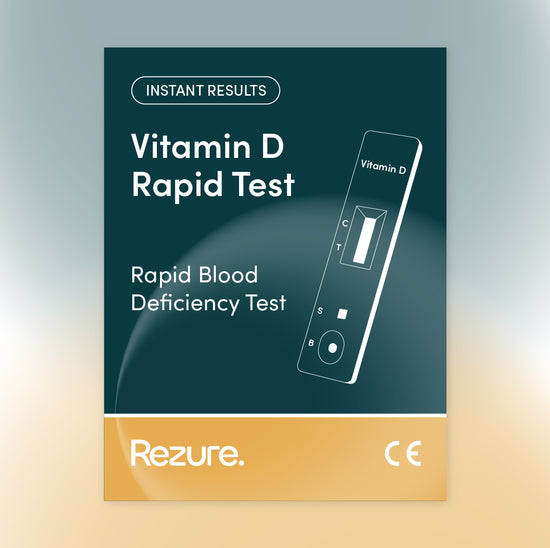
Rezure’s Vitamin D Rapid Home Test Kit gives an at-home indication of vitamin D level. If it is low, ask a pharmacist or GP what supplement dose fits your situation.
What if you feel run-down rather than just tired?
Feeling run-down, achy or feverish points in a different direction from simple sleepiness.
C-reactive protein, or CRP, is made by the liver. A higher CRP level than usual can be a sign of inflammation in the body. CRP does not name the cause. It can rise with inflammation, and the reason still needs context.
This matters if fatigue comes with joint pain, swelling, fever, digestive symptoms, recent infection, ongoing pain or a general feeling that something is off.
An Inflammation (CRP) Rapid Home Test Kit can indicate raised CRP. Treat a raised result as a reason to look further, not as a diagnosis.
Where do home tests fit if fatigue has dragged on?
Home tests can help when you want to check a few common markers before speaking to a healthcare professional.

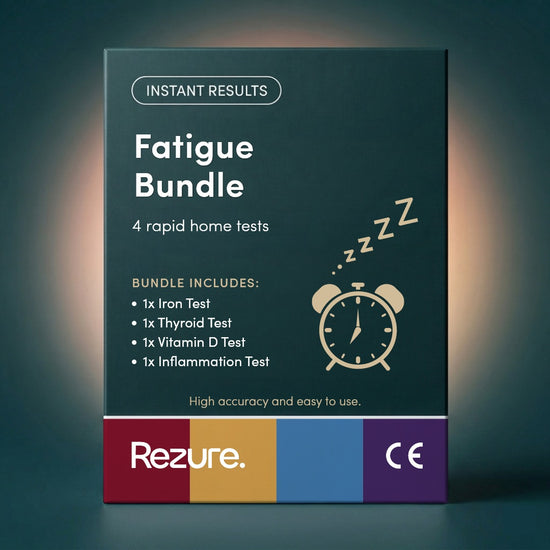
Rezure’s Fatigue Tests Bundle – 4 Home Rapid Tests for Tiredness includes four separate tests:
Each test is supplied individually and used separately. The tests are rapid self-tests you complete at home, with results in minutes and no need to send samples to a lab.
That is useful if your tiredness is vague and you want something more concrete. It is not a replacement for medical advice, especially if symptoms are new, severe, or worsening.
Could stress or diet still be the main issue?
Yes. Stress and diet can drain energy in ways that feel physical, because they are physical.
A healthy diet, regular exercise, consistent sleep schedules, and relaxation before bed are among the things that may help with tiredness. Avoiding too much alcohol, caffeine close to bedtime, and screens in the hour before sleep can also support better sleep .

This is where it helps to be honest about the last month, not your ideal routine. Have meals become random? Are you drinking more? Are you living on caffeine? Has a stressful period become normal? Have you been ill and expected yourself to bounce back too quickly?
Should diabetes be on your radar?
Think about diabetes if tiredness comes with thirst, peeing more than usual, or unintended weight loss. Though bear in mind that this is one of the rare reasons for tiredness.
Feeling very tired, peeing more than usual, feeling thirsty all the time and losing weight without trying are common symptoms of type 2 diabetes. Blurred vision, slow-healing cuts, and recurrent thrush can also occur.
If you suspect you may show signs of diabetes, speak to a doctor immediately.
When should you stop monitoring and speak to a GP?
Speak to a GP if tiredness lasts for a few weeks and you do not know why, or if it affects your normal life.
Get help sooner if you notice blood in your poo or urine, chest pain, severe breathlessness, fainting, unexplained weight loss, fever that does not settle, night sweats, new weakness, severe dizziness, or symptoms that keep worsening.
Before an appointment, write down what has changed, whether that’s sleep, weight, periods, mood, bowel habits, medication, or diet. Also, write down any relevant home test results. A short note is often better than trying to remember everything in the room.