Heavy periods and iron: When does blood loss become a health problem?

Heavy periods often mean your life becomes a series of small calculations. How many pads should you carry? Can you sit through a meeting? Where is the nearest toilet? When this planning becomes routine, another calculation can go unnoticed: the iron lost with each bleed.
Repeated heavy menstrual bleeding can gradually empty your iron stores. Symptoms may appear before a routine anaemia test shows a clear problem.
What counts as a heavy period?
A period is heavy when bleeding is hard to manage, lasts longer than expected or disrupts daily life. Doctors may call this heavy menstrual bleeding or menorrhagia.
The NHS heavy-period criteria include:
-
Changing a pad or tampon every one to two hours
-
Using two products together or bleeding through clothes or bedding
-
Bleeding for longer than seven days
-
Passing clots larger than about 2.5 cm
-
Missing normal activities because of bleeding
You do not need to measure blood loss. NICE guidance focuses on its effect on quality of life. A marked change from your usual pattern also warrants medical advice.
How do heavy periods lower iron levels?
Blood contains haemoglobin, which needs iron. When menstrual blood loss exceeds the iron your body replaces, it draws on stored iron.
Ferritin is used as a marker of those stores. It can fall while haemoglobin remains within range, so iron deficiency may develop before iron deficiency anaemia. Continued bleeding can then reduce healthy red blood cell production. This is the link between heavy periods and iron deficiency.
The shortfall can build over many cycles, even when each period feels familiar. Rezure’s guide to iron and anaemia myths explains why food alone may not correct an established deficiency.
What does iron deficiency anaemia feel like?
It often feels like tiredness that rest does not fix. Breathlessness, lower stamina and a racing or pounding heart can follow.

Other possible symptoms include:
-
Dizziness, headaches or faintness
-
Paler skin than usual
-
Poor concentration or weakness
-
Hair shedding or restless legs
-
Cravings for ice or non-food items
These signs overlap with sleep problems, stress, thyroid conditions and other deficiencies, so symptoms alone cannot confirm low iron. The NHS anaemia guidance lists common signs. Rezure’s articles on persistent fatigue and increased hair shedding cover other explanations.
Why can the link be missed at GP appointments?
The connection can be missed because heavy bleeding is often normalised and low iron symptoms are non-specific. Someone who has always had heavy periods may report exhaustion without mentioning their cycle. The two problems may also come up at separate appointments.
NICE recommends a full blood count for everyone investigated for heavy menstrual bleeding. Until 7 July 2026, its guidance advised against routine ferritin testing. NICE removed that advice because people with heavy menstrual bleeding have a recognised risk of iron deficiency.
A full blood count can identify anaemia. Ferritin gives information about stored iron. Normal haemoglobin does not always settle the question when heavy bleeding and symptoms continue.
When should ferritin be tested?
Ferritin testing is worth discussing when heavy periods persist, symptoms suggest low iron, or you have needed iron treatment before. It may also help when a full blood count is normal, but fatigue, dizziness or breathlessness remains unexplained.

Testing may be particularly relevant when:
-
Periods last over seven days or repeatedly soak products within one to two hours
-
Energy drops during or after each period
-
Palpitations, dizziness, hair loss or restless legs have appeared
-
Perimenopause has made bleeding heavier or less predictable
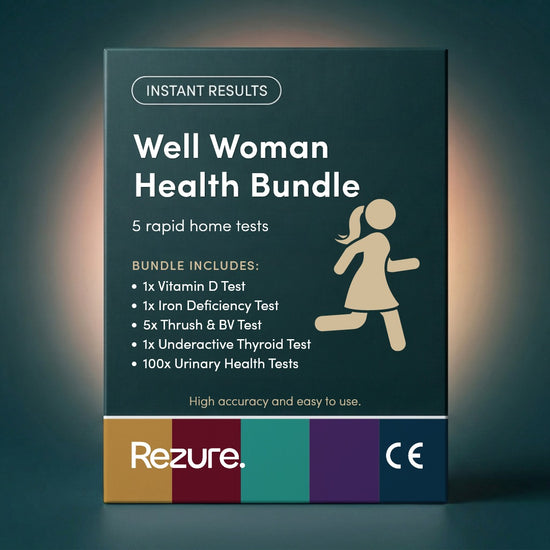
Rezure sells the Iron Deficiency (Ferritin) Rapid Home Test Kit, a finger-prick ferritin test with a 30 ng/mL cut-off. It does not measure haemoglobin or diagnose anaemia. A low result, severe symptoms or continuing heavy bleeding needs GP follow-up.
Ferritin can rise during infection or inflammation, making it harder to interpret. WHO ferritin guidance advises considering inflammation. Rezure’s Inflammation (CRP) Rapid Home Test Kit measures a different marker and cannot explain ferritin by itself. Its guide to high CRP results gives further context.
Could something else explain the bleeding or tiredness?
Yes. Heavy periods may be linked with fibroids, adenomyosis, endometriosis, pelvic inflammatory disease, bleeding disorders, some medicines or hormonal changes around perimenopause. Sometimes no cause is found.
Fatigue can also relate to low vitamin D, thyroid problems, inflammation or poor sleep. Rezure’s Vitamin D Rapid Home Test Kit may be relevant when low vitamin D is suspected, though it cannot explain heavy bleeding. Its guide to common nutrient deficiencies covers related symptoms.

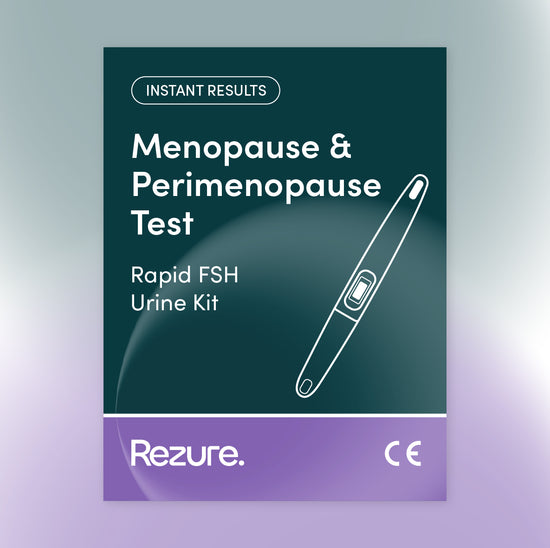
Irregular cycles with hot flushes, night sweats or sleep changes may point towards perimenopause. The Menopause & Perimenopause (FSH) Rapid Home Test may add information, while perimenopause symptoms and testing explains the wider pattern. An FSH result cannot identify the cause of heavy bleeding.
How are heavy periods and low iron treated?
Treatment needs to replace iron and reduce further blood loss. Correcting the deficiency alone may leave it ready to return.
Iron-rich foods include meat, pulses, fortified cereals, dark-green vegetables and dried fruit. If tests show iron deficiency anaemia, a GP will commonly recommend iron tablets and repeat blood tests. Tablets can cause constipation, stomach pain, nausea or dark stools.
Ways to reduce bleeding may include:
-
Tranexamic acid or anti-inflammatory medicines
-
A hormonal coil, combined pill or progestogen treatment
-
Investigation or treatment for fibroids, polyps or adenomyosis
-
Specialist referral when symptoms are severe or initial treatment has failed
The right option depends on the cause, your medical history and pregnancy plans. NICE treatment options set out the main routes used in NHS care.
When should you seek medical help?
See a GP when heavy periods affect daily life, continue for several cycles or come with signs of low iron. Keep a short record of cycle length, product changes, clots, leaks and symptoms. It turns those monthly calculations into useful clinical information.
Get urgent medical advice if you may be pregnant and have heavy bleeding, severe pain, faintness or dizziness. Bleeding between periods, after sex or after 12 months without a period also needs medical review.
Heavy periods should not force you to plan every day around toilets, spare clothes and exhaustion. When the pattern keeps repeating, consider the bleeding and iron loss together. That is often when a familiar monthly problem becomes a health issue that can be investigated and treated.