Zinc deficiency symptoms: what should you look out for?

Zinc deficiency can cause changes in your skin and hair, a reduced appetite and slower wound healing. These symptoms aren’t specific to low zinc, though.
Your diet, medical history and any other symptoms help a clinician assess the possible cause and decide what needs checking.
How can zinc deficiency affect your skin and hair?
Zinc deficiency can cause hair loss and a rash that resembles eczema. Skin changes may persist despite the usual eczema treatment.
Possible changes include:
-
Sore, cracked or scaly skin
-
Affected areas around the mouth or on the hands
-
Hair loss that differs noticeably from your usual shedding
These signs of low zinc need context. A rash’s location or appearance cannot establish what’s causing it, and there are other reasons for hair shedding.
For instance, hair loss with tiredness can occur with iron deficiency anaemia.

Can low zinc change your appetite or sense of taste?
Yes. Zinc deficiency can reduce your appetite and sense of taste, and may affect smell. You might lose interest in meals or find that familiar foods taste different.
That’s worth describing precisely. Has food become less enjoyable, or are you simply not feeling hungry? Did the change follow an illness?
Colds, COVID-19 and sinus problems are among the causes of smell changes, which can also alter how food tastes. A change after an infection doesn’t automatically point to a nutritional problem.
Does slow wound healing mean you’re low in zinc?
It can be a symptom, although it has other explanations. Zinc supports tissue repair, and deficiency can delay healing.
Slow-healing cuts also appear among possible type 2 diabetes symptoms. Mention unusual thirst or more frequent trips to the toilet if those are happening too. Those details can change what your GP investigates.
Who is more likely to develop zinc deficiency?
Your risk rises when you get too little zinc, absorb less of it or lose more than usual.
The groups at higher risk include:
-
People eating too little or following severely restricted diets.
-
People with coeliac disease, inflammatory bowel disease or certain types of weight-loss surgery.
-
Vegetarians and vegans, whose diets may provide less easily absorbed zinc.
-
People with alcohol use disorder.
-
People who are pregnant or breastfeeding, when zinc requirements increase.
Plant foods can still supply zinc. Beans, nuts and wholegrains contain it, although compounds called phytates reduce absorption. Your overall diet matters more than any single food you eat or avoid.
What can be mistaken for low zinc symptoms in adults?
Thyroid disease, iron deficiency and hormonal changes can cause some of the same complaints. The symptoms accompanying your skin or hair changes help a clinician decide what to investigate.
Dry skin and hair loss alongside feeling cold or constipation can suggest an underactive thyroid.
If muscle weakness or bone pain is part of what you’re experiencing, a clinician may consider vitamin D deficiency and osteomalacia.

Hair thinning and dry skin can also occur during menopause and perimenopause, particularly relevant if your periods have changed or you’re having hot flushes. Your age and pattern of perimenopause symptoms can help your GP assess what’s happening.
How do I know if I have a zinc deficiency?
An assessment considers your symptoms, diet and medical history, sometimes alongside blood testing. You cannot work it out reliably from a symptom checklist.
A clinician may measure zinc in serum or plasma. These blood results need interpretation: infection and the time of the blood draw can affect the reading. The result also doesn’t always match how much zinc you consume.
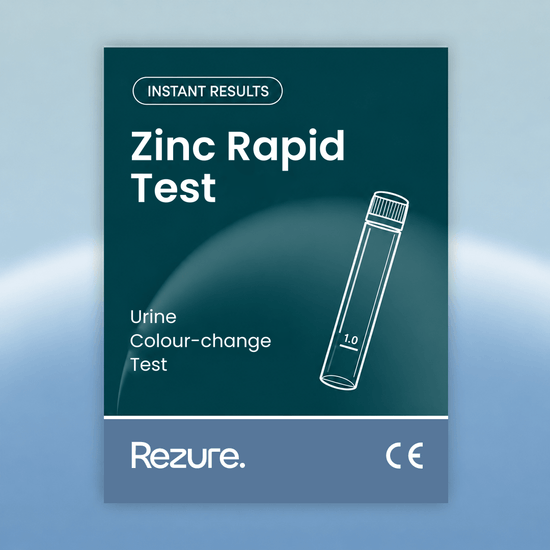
The Zinc Rapid Urine Test Kit, sold by Rezure, uses a colour change to estimate urinary zinc within bands. It is for professional use only. A healthcare professional compares the result with the supplied colour card; it does not provide an exact measurement or establish your overall zinc status.
Urinary zinc alone cannot confirm deficiency. Recent food, supplements and medicines can affect this test, so the professional using it needs to review its instructions and limitations before interpreting a result. Symptoms that continue still need assessment even if the reading falls within the test’s reference range.
When should you seek medical advice?
Book a GP appointment if unexplained changes persist or worsen, particularly if you’re losing weight without trying, struggling to eat or living with a condition that affects nutrient absorption.
Bring a few specific observations:
-
When each change started and how it has developed.
-
Any recent illness, dietary restriction or ongoing digestive symptoms.
-
The medicines and supplements you take, including their doses.
-
Any zinc results you already have.
A short note on your phone is enough. You don’t need to arrive with a diagnosis.
For a wound that becomes increasingly painful, red or swollen, produces pus, or comes with fever, seek urgent medical advice through your GP or NHS 111. Don’t wait for a zinc test.
Should you take zinc supplements just in case?
Avoid starting high-dose zinc simply because the symptoms sound familiar. Treatment for a confirmed deficiency should address its cause as well as replacing zinc.

The NHS guidance on zinc gives daily requirements of about 9.5 mg for men aged 19 to 64 and 7 mg for women. These are dietary requirements, not suggested supplement doses. Food sources include meat, shellfish, dairy foods and cereals.
Too much zinc can reduce copper absorption and cause anaemia. Don’t take more than 25 mg of zinc supplements a day unless a doctor advises it, and count the zinc in any multivitamin towards that total.