Type 2 diabetes symptoms: The early signs your body gives you before diagnosis

It can start with ordinary changes. You refill your water glass more often. You get up twice in the night to pee when you used to sleep through. Your eyes feel a little out of focus by late afternoon. None seems dramatic on its own.
That is part of what makes type 2 diabetes easy to miss. Symptoms can develop gradually, and some people have no noticeable symptoms. What matters is when several small changes quietly become your new normal.
What are the early symptoms of type 2 diabetes?
The most common early signs are increased thirst, frequent urination, tiredness and unexplained weight loss. Blurred vision, slow-healing cuts and repeated thrush can also occur, according to NHS symptom guidance.
The common signs include:
- Feeling very tired
- Peeing more than usual
- Feeling thirsty all the time
- Losing weight without trying
- Developing blurred vision
- Noticing cuts or wounds healing more slowly
- Getting recurrent thrush or genital itching
One symptom alone has many possible causes. Fatigue, for example, doesn't automatically point to diabetes. Our guide to why tiredness has many causes looks at some of the other possibilities. A cluster of symptoms is more informative, particularly when diabetes risk factors are present.
Why do thirst and frequent urination happen together?
High blood glucose can lead to glucose being passed into your urine. Your body loses extra water with it, increasing urine production and leaving you thirsty.
You might start waking at night to use the toilet or drinking far more without feeling satisfied. These changes have other possible causes, so frequent urination isn't automatically a sign of diabetes.
Urine can also contain markers linked with kidney problems, dehydration and urinary infections. Our guide to what urine markers can show explains how glucose fits into the wider picture.
Why can type 2 diabetes affect your vision, healing and infections?
High blood glucose can affect different parts of your body, so early signs of diabetes don't always look connected.
Blurred vision can occur because raised glucose changes fluid levels in the tissues that help your eyes focus. This type of blurring can be temporary. Persistently high blood glucose can also damage small blood vessels in the eye over time.

Slow-healing wounds and repeated thrush are also recognised symptoms. Diabetes can contribute to foot ulcers and infections, particularly after nerve damage or circulation problems develop.
This is where the pattern matters. Tiredness alone is vague. Tiredness alongside unusual thirst, more frequent urination and blurred vision gives your GP much more reason to investigate blood glucose.
What less obvious signs can point to type 2 diabetes?
Some undiagnosed diabetes signs are less familiar. None can diagnose the condition, though each can add useful context.
Less obvious changes can include:
- Dark, thickened skin patches, especially around the neck, armpits or groin. This may be acanthosis nigricans. The NHS acanthosis guidance lists type 2 diabetes among its possible causes.
- Tingling, burning or numbness in the feet or hands. Long-term high blood glucose can damage nerves and lead to peripheral neuropathy.
- Red, swollen or bleeding gums. Gum disease is more common in people with diabetes, while high blood glucose can make oral infections harder to control.
- Repeated skin, genital or urinary infections. Recurrent infections deserve medical attention even when diabetes turns out not to be the cause.

Tingling feet and gum problems are particularly easy to miss as possible diabetes-related changes. They are better treated as reasons to investigate than as a self-diagnosis checklist.
Why can type 2 diabetes go unnoticed for so long?
Type 2 diabetes usually develops gradually. Insulin becomes less effective, and blood glucose can rise over time without producing sudden or dramatic symptoms. Some people have no classic signs before a routine blood test detects the condition.
The numbers show how easy it is to miss. In February 2025, Diabetes UK figures estimated that 1.3 million people in the UK were living with undiagnosed type 2 diabetes.
That is why recognising type 2 diabetes symptoms early matters. Our separate guide to home diabetes testing options looks more closely at what home testing can and can't tell you.
Who is most at risk of type 2 diabetes in the UK?
Age, family history, body weight, physical activity and ethnic background all affect your risk. The NHS risk criteria identify several groups with a higher likelihood of developing type 2 diabetes.
Your risk is higher if you:
- Are white and over 40
- Are over 25 and from a South Asian, Chinese, Black African or Black Caribbean background
- Have a parent, brother or sister with type 2 diabetes
- Are overweight and not very physically active
- Have high blood pressure or another condition associated with increased diabetes risk
Type 2 diabetes can still affect younger people and people who aren't overweight. Risk factors change the probability; they don't determine who can develop the condition.
Cardiovascular risk can overlap with diabetes risk too. If you're already keeping an eye on your blood fats, our guide to how cholesterol numbers work explains LDL, HDL and triglycerides.
Can a home urine test detect signs of diabetes?
Yes, a urine test can detect glucose in urine, which may indicate raised blood glucose. It cannot diagnose type 2 diabetes, and a negative urine glucose result cannot rule diabetes out.
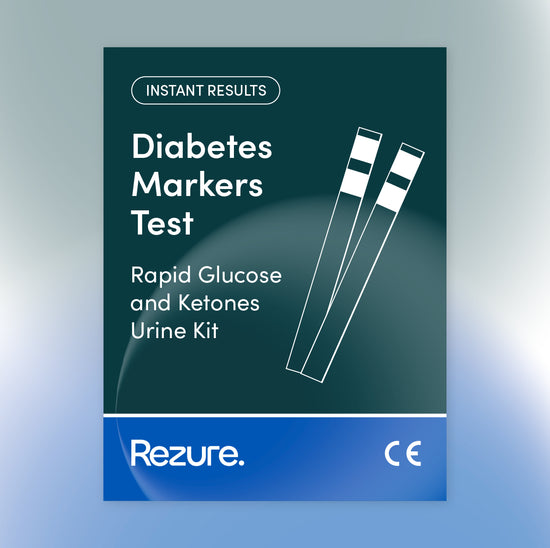
The Diabetes Markers Indicator Home Test Kit checks urine for glucose and ketones. It can flag a result that needs follow-up, particularly if you're already experiencing signs of diabetes. If glucose appears, speak to your GP about formal blood testing rather than treating the strip as a diagnosis.
Urine glucose testing has limits. Your kidneys normally retain glucose, although more can pass into urine as blood glucose rises. Other conditions can also cause urine glucose, while some people with raised blood glucose can still have a normal urine result. Diabetes UK testing guidance states that diabetes and prediabetes require blood testing for diagnosis.

Ketones need separate interpretation. They can appear during fasting, prolonged vomiting or low-carbohydrate diets as well as in diabetes. High ketone levels can become dangerous in diabetic ketoacidosis. Our guide to ketones in diabetes testing covers the marker in more detail.
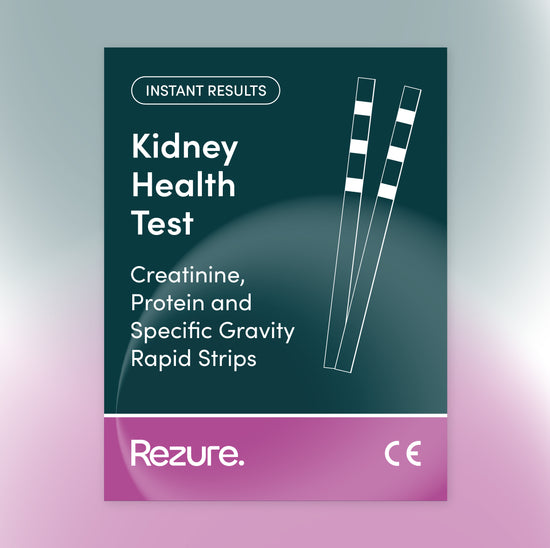
Other tests look at separate health markers that can matter alongside metabolic health. The Total Cholesterol Rapid Home Blood Test Kit measures total cholesterol, while the Kidney Health Rapid Home Test checks urinary creatinine, protein and specific gravity. The Home Urinary Health Dipstick Test Strips – 10 Markers provides a broader urine screen including glucose, ketones, protein, blood and markers associated with urinary infection.
None confirms diabetes. For more detail on related markers, read about protein in urine and heart health at home.
When should you speak to a GP about possible diabetes symptoms?
Speak to your GP if you have possible type 2 diabetes symptoms, particularly when they persist, appear together, or you have known risk factors. A blood test is needed to diagnose diabetes.
Under NICE diagnostic criteria, an HbA1c result of 48 mmol/mol or above is one threshold used to diagnose diabetes in non-pregnant adults. Fasting plasma glucose, random plasma glucose and oral glucose tolerance testing can also be used. In someone without symptoms, an abnormal result generally needs confirmation.
Get urgent medical help if you become very unwell with extreme thirst and urination, nausea, confusion, marked drowsiness or shortness of breath. Very high blood glucose can, rarely, lead to hyperosmolar hyperglycaemic state or diabetic ketoacidosis in people with type 2 diabetes.
Those small changes from the start still matter: another glass of water, another night-time toilet trip, another afternoon when your vision feels off. Most have other explanations. When they begin arriving together, it's worth getting checked instead of simply getting used to them.