Why does coeliac disease take 13 years to diagnose?

A coeliac diagnosis rarely begins with one dramatic symptom. It may start as scattered notes across years of medical records: bloating, tiredness, low iron, a stubborn rash, then an IBS label.
Each problem can look ordinary on its own. The delay begins when nobody joins the entries together.
Coeliac UK reports that diagnosis takes an average of 13 years from the onset of symptoms. It estimates that only 36% of people with coeliac disease in the UK have been diagnosed, despite the condition affecting around 1 in 100 people.
What does the average 13-year wait mean?
Many people manage separate symptoms for years before anyone tests for the condition connecting them.
Some are diagnosed quickly after diarrhoea, weight loss and nutrient deficiency appear together. Others have mild, intermittent or non-digestive symptoms that attract different explanations.
A UK patient study found that people often lived with vague symptoms for years and began to treat them as normal. GPs commonly attributed their problems to IBS or anaemia. For a clear introduction, see coeliac disease basics.
Why is coeliac disease mistaken for IBS or stress?
The symptoms overlap, and coeliac disease doesn’t always follow the textbook picture.
Bloating, abdominal pain, diarrhoea, constipation and wind are common in IBS. Stress can also change bowel habits. If symptoms come and go, gluten exposure may disappear into a wider pattern of meals and daily life.

Early explanations may include:
- IBS
- stress-related stomach problems
- lactose intolerance
- iron deficiency without a clear cause
- general food sensitivity
The problem arises when coeliac disease isn’t excluded first. NICE recommends testing adults who meet IBS criteria because the conditions can look alike.
A UK records study found a previous IBS diagnosis in 16% of people later diagnosed with coeliac disease, compared with 4.9% of controls. Our guide to IBS or something else explains how clinicians separate these conditions.
Why don’t GPs always test for coeliac disease?
Often, the condition isn’t considered when symptoms first appear.
A GP may see one appointment about bloating, then another months later about fatigue. Low iron, joint pain or a rash may be handled separately. The pattern stays split across several consultations.
Research into family medicine found that once doctors formed an early IBS hypothesis, compatible clues were interpreted through that lens. Even microcytic anaemia did not always prompt consideration of coeliac disease.
The useful question is: has the same patient returned with several compatible clues?
What symptoms of coeliac disease are often overlooked?
Coeliac disease can affect the whole body, so gut symptoms may be mild or absent.
Damage to the small intestine can reduce the absorption of iron, folate, vitamin B12, calcium and vitamin D. Possible signs include:
- iron deficiency anaemia or persistent fatigue
- dermatitis herpetiformis, an itchy blistering rash
- joint or bone pain
- mouth ulcers or dental enamel problems
- tingling, poor balance or other nerve symptoms
- unexplained subfertility or recurrent miscarriage
- raised liver enzymes without a clear cause
These signs don’t prove coeliac disease. They widen the reasons to test. NICE advises offering or considering coeliac blood tests across this range.

If low iron is part of the picture, Rezure’s Iron Deficiency (Ferritin) Rapid Home Test Kit checks for low iron stores. It cannot identify the cause, so a low result alongside bowel symptoms needs medical assessment. Read more about signs of nutrient deficiency.
Why does earlier diagnosis matter?
Earlier diagnosis reduces the time undiagnosed or untreated coeliac disease can damage the gut and disrupt nutrient absorption.
Possible consequences include:
- iron, vitamin B12 or folate deficiency anaemia
- reduced bone density and osteoporosis
- malnutrition in severe cases
- pregnancy problems linked to poorly controlled disease
- a small increase in certain rare cancers
The NHS complications guidance calls cancer a very rare complication and says the increased risk is lower than once thought. Most people with coeliac disease will never develop these cancers.
After diagnosis, a strict gluten-free diet allows the gut to heal in many people. Bone health may need assessment after a long diagnostic delay.
When should you ask for coeliac testing in the UK?
Ask about testing when symptoms persist, recur or appear across several areas of your health.
NICE says testing should be offered for persistent unexplained gut symptoms, prolonged fatigue, unexpected weight loss, severe mouth ulcers, unexplained iron, B12 or folate deficiency, adult IBS, type 1 diabetes, autoimmune thyroid disease and first-degree family history.
Before testing:
- keep eating gluten
- mention digestive and non-digestive symptoms
- share previous low iron results and family history
- ask if coeliac serology was included in earlier blood work
- don’t start a gluten-free diet before diagnosis
NICE advises eating some gluten in more than one meal each day for at least six weeks before testing. Removing it early can reduce antibody levels and make results harder to interpret.
Can a home coeliac test help you reach a GP referral faster?
It can provide an initial antibody result that supports a request for clinical testing, though it cannot diagnose coeliac disease.
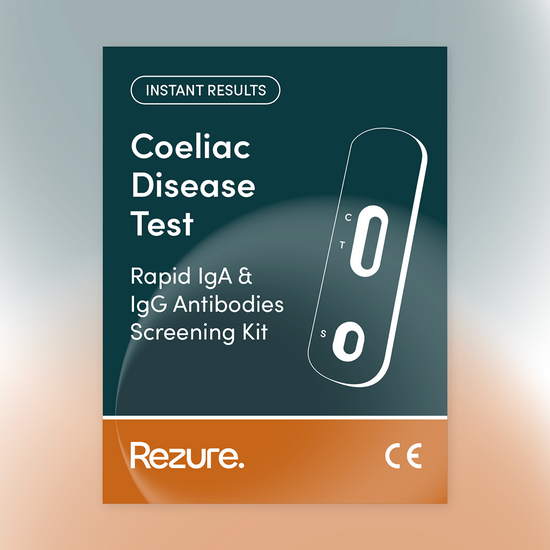
The NHS first-line laboratory route usually checks total IgA and IgA tissue transglutaminase, known as tTG. Rezure’s Coeliac Disease Rapid Home Test Kit (coeliac test) detects IgA and IgG antibodies against deamidated gliadin peptides, known as DGP, from a finger-prick blood sample. It gives a result in 10 minutes.
A positive result should lead to GP follow-up. A clinician may repeat blood tests and decide if specialist assessment is needed. A negative result doesn’t fully rule out coeliac disease, especially after reducing gluten or when symptoms remain strongly suggestive.
Other tests answer different questions. Persistent diarrhoea, blood or mucus, fever or weight loss may point towards inflammatory bowel disease.
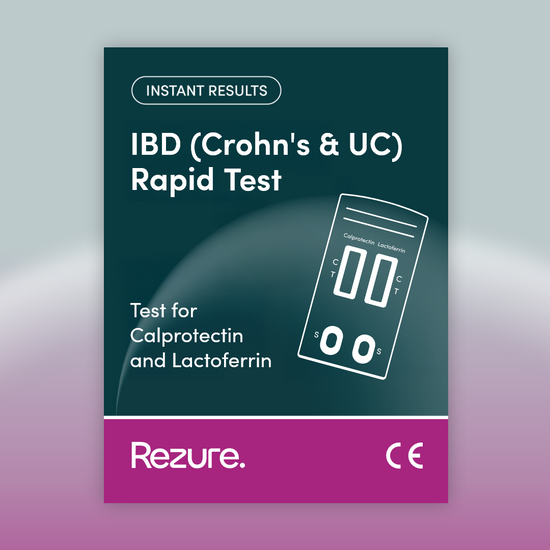
The IBD (Crohn's & UC) Rapid Health Test Rezure sells checks stool markers linked to gut inflammation. The Inflammation Indicator C-Reactive Protein (CRP) Home Rapid Test Kit checks a general inflammation marker. Neither diagnoses coeliac disease. See early Crohn’s symptoms or compare IBD and FOB tests.
How can you shorten your own diagnostic wait?
Bring the scattered entries together.
Write down when symptoms began, family history, previous low iron results, skin changes and dietary patterns. Ask directly if coeliac disease has been ruled out, and keep gluten in your diet until clinical testing is complete.

Thirteen years is an average, not an appointment you have to accept. The clue may already sit across several pages of your record. The next step is to read them as one story.