How long does your liver take to recover after drinking alcohol?

After a heavy weekend, it’s easy to picture your liver working through a backlog. Give it a few alcohol-free days, you might think, and everything should be back to normal.
The reality is less tidy. How long your liver takes to recover from alcohol depends on how much you’ve been drinking, how long that pattern has lasted and what has already happened inside the liver. Early alcohol-related damage can often improve. Advanced scarring usually cannot.
So if you’ve stopped drinking and are waiting for the moment your liver is “recovered”, don’t put a date in the diary. The type of damage matters far more than the number of alcohol-free days.
How long does your liver take to recover from alcohol?
There is no single recovery timeline. Alcohol-related fatty liver may improve after you stop drinking, while hepatitis can take longer and cirrhosis leaves permanent scarring.
The British Liver Trust notes that fatty liver caused by alcohol can be reversed, although this may take months or years in some people.
Changes in some liver-related blood markers can happen sooner. A small one-month abstinence study followed 16 moderate drinkers without structural liver disease. After a month without alcohol, their gamma-glutamyl transferase, or GGT, levels had fallen significantly.
That doesn’t mean one month without alcohol resets your liver. The participants didn’t have known structural liver disease, and a change in one blood marker is not the same as complete liver recovery.
If you’re asking how long after stopping drinking does the liver recover, the better question is: what condition was your liver in when you stopped?
What happens to your liver when you stop drinking?
When you stop drinking, your liver no longer has to process incoming alcohol. If alcohol has caused fat accumulation or inflammation, removing that repeated exposure gives liver cells a chance to repair some of the damage.
You don’t need a juice programme, supplement or detox product to start that process. Our guide to the truth about liver cleanses explains why cutting down or stopping alcohol has a much firmer evidence base than products that claim to flush toxins from your liver.

You might also notice that you sleep better, have more energy or feel generally better after reducing alcohol. Those changes matter to you, but they can’t tell you how much liver recovery has taken place.
Can your liver heal after years of drinking?
Yes, some liver damage can improve even after years of drinking. How much can heal depends heavily on the stage of alcohol-related liver disease.
The NHS describes three stages:
- Alcohol-related fatty liver: Fat builds up inside liver cells, often without causing symptoms. The liver can usually recover if you stop drinking.
- Alcohol-related hepatitis: The liver becomes inflamed and damaged. Some of that damage may improve after drinking stops.
- Alcohol-related cirrhosis: Healthy liver tissue has been replaced by scar tissue. This damage cannot usually be reversed.
This is why the question of whether your liver can heal after drinking has no simple yes or no answer.
Fatty liver has considerable potential for recovery. Alcohol-related hepatitis is more serious, and recovery varies. With cirrhosis, stopping drinking will not simply remove existing scar tissue, although it can still reduce the risk of further alcohol-related damage.
How can you tell if your liver is recovering after drinking?
You can’t reliably tell by how you feel.
Alcohol-related liver damage can develop without obvious symptoms. Feeling less tired after a few alcohol-free weeks is therefore not proof that your liver has returned to normal.
Tiredness is especially difficult to interpret because it has many possible causes. Our guide to persistent fatigue covers some of the other health problems that can leave you feeling low on energy.
Some symptoms can appear once liver disease becomes more advanced.
Look out for:
- Yellow skin or eyes
- Swelling in your abdomen or legs
- Loss of appetite or unexplained weight loss
- Vomiting blood or passing black stools
- Confusion or marked changes in alertness
An NHS liver service lists jaundice, abdominal swelling, vomiting blood, black stools and confusion among red-flag symptoms of alcohol-related liver disease. These need medical assessment.
When should you have your liver checked after drinking?
If you’ve regularly drunk heavily, have symptoms that could point to liver disease or are worried about the effect alcohol has had on your health, speak to your GP.
There isn’t a minimum period you need to wait before getting checked. In fact, waiting until you feel ill can miss liver problems that have developed quietly.
Doctors may use several forms of assessment.
Tests can include:
- Blood tests: These can measure liver enzymes, bilirubin, proteins and other indicators of liver health.
- Imaging: Ultrasound, CT or other scans may be used to examine the liver.
- Fibrosis assessment: Tests such as transient elastography can assess liver stiffness and help identify cirrhosis.
- Further investigation: A specialist may recommend other tests when the diagnosis remains uncertain.
For people at higher risk, NICE recommends transient elastography in several groups, including people diagnosed with alcohol-related liver disease and people drinking above specified high weekly amounts for several months. NICE also advises against using routine liver blood tests alone to rule out cirrhosis.
Can a urine test show liver damage from alcohol?
A urine test can show changes in some markers related to liver and bile processing. It cannot diagnose alcohol-related fatty liver, hepatitis or cirrhosis.
Two relevant markers are bilirubin and urobilinogen.

Bilirubin is produced as old red blood cells break down. Your liver normally processes it so it can leave the body in bile. Bilirubin isn’t normally present in urine, and bilirubin in urine can occur when the liver is damaged or bile flow is disrupted.
Urobilinogen is formed from bilirubin in the intestine, and small amounts normally appear in urine. Abnormal levels can occur for several reasons, including some liver conditions. Urobilinogen testing cannot identify the cause on its own.
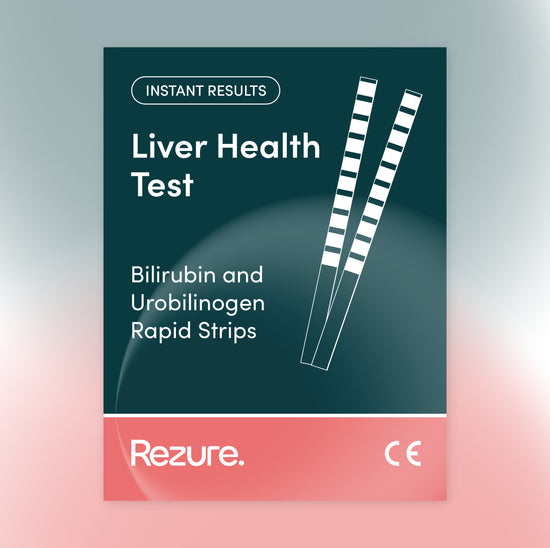
The Liver Health Rapid Home Test Rezure sells checks these two markers in urine. It does not diagnose alcohol-related liver disease and doesn’t replace liver blood tests, imaging or a medical assessment.
If you want to understand what these markers mean alongside other urine results, our guide to 10 urine dipstick markers explains each one separately.
How long should you stop drinking before checking your liver?
There is no standard alcohol-free period that proves your liver has recovered.
Alcohol can affect some liver-related test results, and certain markers may fall during abstinence. That is useful information for a doctor, not a reason to delay testing until you think the numbers will look better.
Tell your GP how much you usually drink and when you last drank. That context helps them interpret your results.
The same limitation applies to home testing. A normal urine result cannot rule out alcohol-related liver damage.
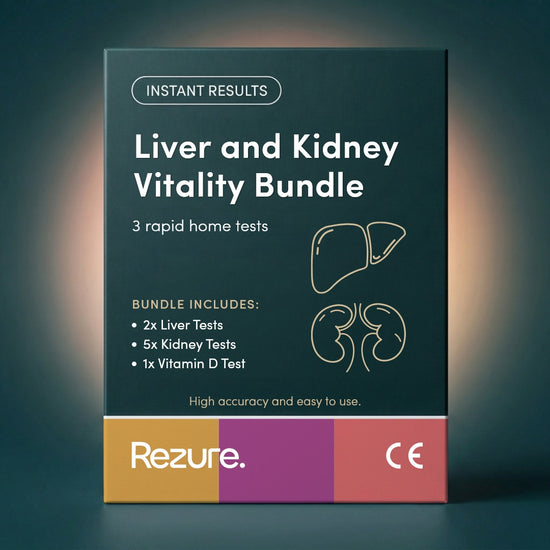
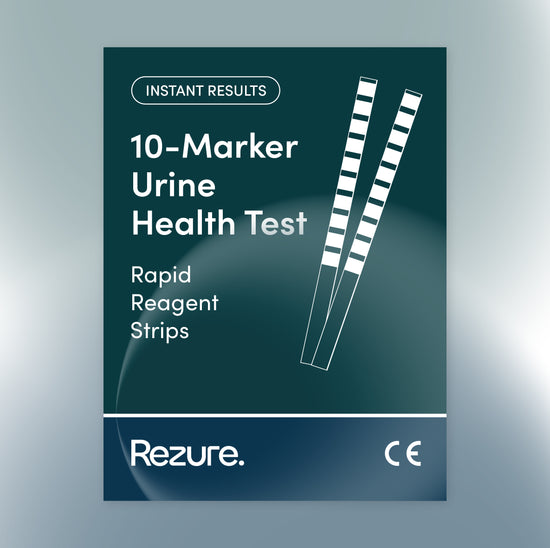
For a wider home check, Rezure’s Liver and Kidney Vitality Bundle includes separate liver, kidney and vitamin D tests. The Home Urinary Health Dipstick Test Strips – 10 Markers test bilirubin and urobilinogen alongside glucose, ketones, protein, blood, nitrites, leukocytes, pH and specific gravity.
Changes in your urine can also have causes unrelated to your liver. Rezure’s articles on blood in urine and hydration and kidney health explain two other reasons its appearance or concentration may change.
How much alcohol is considered low risk in the UK?
UK guidance advises people who drink regularly to keep their intake to no more than 14 units a week.
The UK Chief Medical Officers recommend:
- Drinking no more than 14 units in a week on a regular basis
- Spreading your drinking across three or more days if you drink 14 units
- Having several drink-free days each week if you want to cut down
The 14-unit figure describes lower-risk drinking. It doesn’t mean drinking below that amount carries no health risk.
If you already have alcohol-related liver disease, the advice may be different. Your doctor may recommend that you stop drinking completely.
Is it safe to suddenly stop drinking if you drink heavily?
Not always. If you’re dependent on alcohol, suddenly stopping can be dangerous.
Alcohol withdrawal can cause anxiety, nausea, sweating, shaking and a racing heartbeat. More severe withdrawal can cause hallucinations, confusion or seizures.
The NHS advice on withdrawal is clear that people who get withdrawal symptoms should seek medical help before trying to stop drinking.
Get advice before suddenly stopping if:
- You shake, sweat or feel sick when you don’t drink
- You need alcohol in the morning
- You have previously experienced withdrawal
- You drink heavily every day and aren’t sure if you’re dependent
Call 999 for severe withdrawal symptoms such as seizures, hallucinations or marked confusion.
So, back to that imagined backlog. There isn’t a point on Tuesday morning when your liver switches from damaged to recovered.
Some alcohol-related changes can improve substantially once you stop drinking. Others take much longer, and advanced scarring usually remains. If you’ve spent years drinking heavily or have symptoms that concern you, how you feel can’t give you the full answer. Your drinking history and the right medical tests can.