Blood in urine with no pain: What could it mean?

A trip to the toilet is usually forgettable. One streak of pink or red can turn it into the part of the day you replay, especially when nothing hurts, and you otherwise feel well.
Blood in urine with no pain is called painless haematuria. Many cases have a non-cancerous cause, yet the absence of pain doesn’t make the symptom safe to ignore.
The NHS advice is clear: seek an urgent GP appointment or contact NHS 111 if you see blood in your urine, even once, in a small amount or with no other symptoms.
What does painless haematuria mean?
Painless haematuria means blood is present in urine without burning, cramps or pain in the side, back or groin. It may be visible, or present in amounts too small to change the urine’s colour.
Visible haematuria can make urine look pink, red or dark brown. Non-visible haematuria, often called microscopic blood in urine, is found by a dipstick or laboratory test when the sample looks normal.
The blood can come from the kidneys, bladder, urethra, the tubes between the kidneys and bladder, or the prostate in men. Haematuria is a sign, not a diagnosis. Beetroot, some medicines and menstrual contamination can also affect urine colour or a sample, but don’t assume that explains it without checking.
What are the main painless haematuria causes?
Several conditions can cause painless bleeding. Some are temporary. Others need prompt investigation.

Common possibilities include:
- Bladder cancer, which often causes intermittent, painless bleeding.
- Kidney cancer, for which haematuria is the most common reported symptom.
- Urinary tract infection, which may also cause burning, frequency or cloudy urine.
- Kidney or bladder stones. Small stones can pass painlessly; larger stones often cause severe pain.
- Benign prostatic hyperplasia, or BPH, which can cause bleeding from an enlarged prostate.
- Vigorous exercise, especially long-distance running or contact sport.
- Kidney inflammation, injury, recent urinary procedures and some clotting disorders.
The NIDDK cause list includes infection, stones, BPH and hard exercise. Rezure’s guide to uric acid kidney stones covers one route by which stones may form.
Does painless blood in urine mean cancer?
No. Most people with haematuria will not be diagnosed with cancer, but doctors need to rule it out.
Painless visible bleeding matters because bladder or kidney tumours can bleed before they hurt. Cancer Research UK reports that 80% of bladder cancers involve some blood in the urine. That figure describes people who already have bladder cancer. It does not mean 80% of haematuria cases are cancer.
Blood is also the most common kidney symptom. The British Association of Urological Surgeons says an underlying cause is identified in about half of visible cases and around one in ten non-visible cases in its haematuria guidance.
How can a dipstick detect microscopic blood in urine?
A urine dipstick has a reagent pad that reacts to blood pigment in the sample. It can flag microscopic haematuria before enough blood is present to alter the urine’s colour.
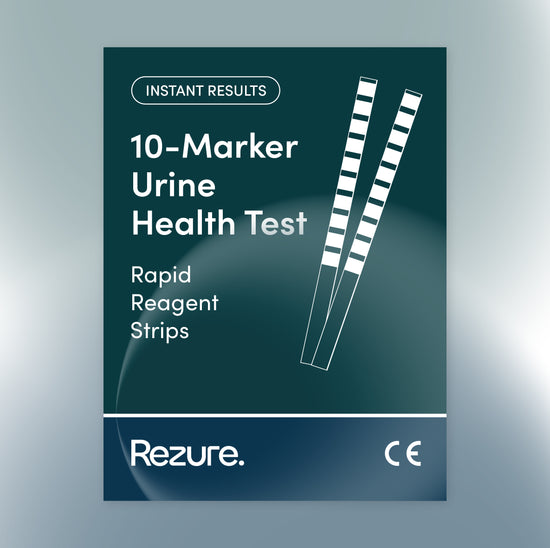
The Home Urinary Health Dipstick Test Strips – 10 Markers check for blood alongside protein, nitrites, leukocytes, glucose, ketones, bilirubin, urobilinogen, pH and specific gravity. Nitrites and leukocytes may support suspicion of a UTI, while protein may suggest kidney involvement.

A home result cannot identify the source or rule out cancer. A positive blood result needs GP follow-up, particularly when it repeats or has no clear temporary trigger. A negative strip should never override blood you have seen. Menstruation, collection errors and recent hard exercise can affect the result.
Rezure’s guide to urine dipstick markers explains what each pad can show. Its article on protein in urine adds context when both markers appear.
What will a GP do about haematuria?
A GP will confirm the finding, look for infection and assess your risk. They may ask about timing, clots, medicines, smoking, exercise and urinary symptoms.
Checks may include:
- A fresh urine sample for blood, protein and infection markers.
- A urine culture if a UTI is possible.
- Blood tests for kidney function and blood cell counts.
- An examination, which may include the abdomen, prostate or vagina.
- Referral for imaging and cystoscopy, a thin camera used to inspect the bladder.
A haematuria clinic may arrange an ultrasound or CT scan. Rezure’s guide to kidney health changes covers other urine findings worth reporting.
Will blood in urine trigger a two-week wait referral?
It can trigger an urgent suspected cancer referral, depending on age, visibility and signs of infection. The phrase two-week wait is still commonly used, but the national standard in England changed on 1 October 2023.
Under the current NICE referral criteria, urgent referral is recommended for:
- People aged 45 or over with unexplained visible haematuria and no UTI.
- People aged 45 or over whose visible haematuria persists or returns after successful UTI treatment.
- People aged 60 or over with unexplained non-visible haematuria plus painful urination or a raised white blood cell count.
NHS England replaced the two-week first-appointment target with the 28-day diagnosis standard. The aim is to diagnose cancer or rule it out within 28 days of urgent referral. People outside these criteria may still need specialist assessment.
When should you get urgent medical help?
Any visible blood needs urgent GP or NHS 111 advice. Don’t wait for a second episode.

Get help at the following level:
- Urgent GP or NHS 111: Any visible blood, even once, with no pain or only a small amount.
- Same-day urgent advice: Blood with fever, shivering, vomiting, pain under the ribs or rapidly worsening illness.
- A&E: Clots with an inability to pass urine or severe lower abdominal pain.
- Call 999: Confusion, marked drowsiness or difficulty speaking alongside signs of infection.
The NHS UTI guidance explains why fever, back pain and blood in urine need prompt assessment.
What does blood in urine mean for a man over 50?
For a man over 50, painless haematuria may come from BPH, infection, stones, the bladder, kidneys or prostate. Age makes investigation more important; it doesn’t identify the cause.
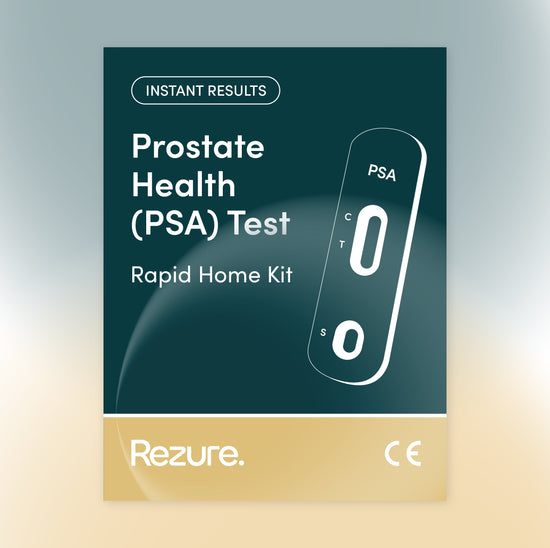
The Prostate Health (PSA) Rapid Home Test Kit checks prostate-specific antigen in blood. It does not assess the bladder or kidneys and cannot explain haematuria by itself. Rezure’s guide to prostatitis and PSA explains how infection or inflammation can raise PSA.
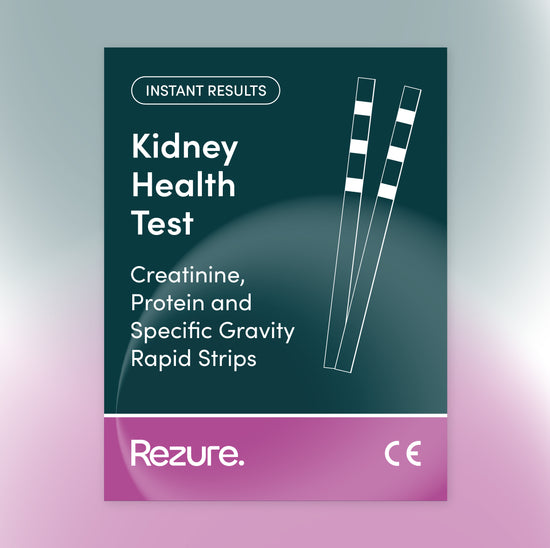
The Kidney Health Rapid Home Test checks urine protein, creatinine and specific gravity. The Inflammation (CRP) Rapid Home Test Kit checks a broad inflammation marker. These tests may add context, but neither can rule out a stone, tumour or infection or replace a GP assessment.
What should you do if the blood disappears?
Contact your GP anyway. Intermittent bleeding still counts, and bleeding from the bladder or kidneys can appear one day and vanish the next.
Note the colour, timing, clots, exercise, medicines and any infection symptoms. Then seek assessment rather than repeatedly testing and watching. That unexpected moment in the bathroom doesn’t call for panic. It calls for one clear response: don’t flush the concern away.