Pet Giardia Rapid Test Kit for Cats and Dogs

£9.00 £11.00
In stock
Skip to product information
1 of 1

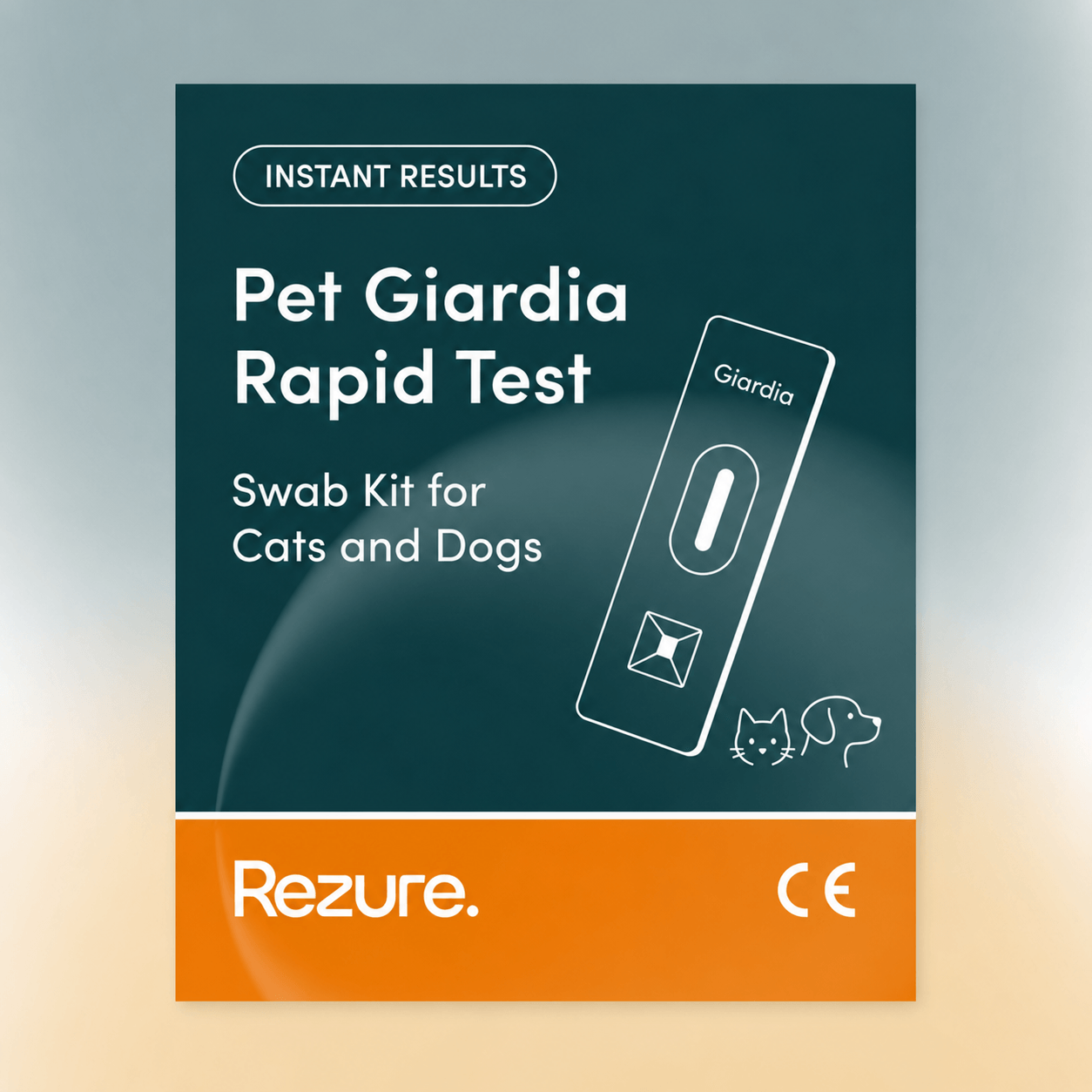
Pet Giardia Rapid Test Kit for Cats and Dogs

Pet Giardia Rapid Test Kit for Cats and Dogs

Screen your pet for Giardia quickly and easily with this rapid faecal testing kit.

Giardia is one of the most common intestinal parasites in dogs and cats, causing persistent diarrhoea, vomiting, and weight loss. This test detects Giardia-specific antigens in your pet's faeces, helping you determine whether they may be carrying the parasite.

Identify a potential Giardia infection early so you can seek prompt veterinary treatment and prevent the parasite from spreading to other animals in the household.

Results in just 10 minutes.

Regular price £9.00
Sale price £9.00 Regular price £11.00
Sale Sold out
Taxes included. Shipping calculated at checkout.

Free UK shipping for orders over £20

View full details

About this test

Brand we're currently stocking: AllTest

Our Pet Giardia Rapid Test Kit makes it easy to screen your dog or cat for Giardia—a common intestinal parasite—all from the comfort of home. This simple faecal test detects the presence of Giardia antigens, giving you a quick indication of whether your pet might be infected.

Giardia poses significant health risks, especially to young pets like puppies and kittens. When left untreated, it can lead to symptoms such as persistent diarrhoea, vomiting, weight loss, and general poor health.

Infections spread easily through contact with contaminated faeces, soil, or water. Your pet could pick it up simply by drinking from a puddle, rolling in dirt, or grooming themselves after touching a contaminated surface.

Many infected animals may not show visible signs of disease immediately, making early detection crucial. With a clear digital display, this highly sensitive test gives you an easy-to-read result in just 5 minutes.

If your results suggest a positive infection, it is essential to consult your veterinarian promptly for immediate treatment and guidance.

How this test helps you

Read results in just 10 minutes
Detects active Giardia infections
Helps explain persistent diarrhoea
Prevents spread to other pets
Easy-to-use faecal swab method
Provides peace of mind at home
Learn more about this test

Frequently Asked Questions

What is Giardia and how does my pet get it?

Giardia is a microscopic, single-celled parasite that colonises the small intestine of dogs, cats, and many other mammals. It exists in two forms: the active trophozoite that attaches to the intestinal wall and causes damage, and the hardy cyst that is shed in faeces and can survive in the environment for weeks or even months.

Your pet can become infected by swallowing Giardia cysts from contaminated water sources such as puddles, streams, or shared water bowls. They can also pick it up by sniffing or licking contaminated soil, grass, or surfaces in parks, kennels, or catteries where infected animals have been. Grooming themselves after walking through a contaminated area is another common route of transmission.

Puppies and kittens are particularly vulnerable because their immune systems are still developing, but adult dogs and cats can also become infected—especially those in multi-pet households, boarding facilities, or shelters where the parasite spreads quickly. To learn more about taking control of your pet's health at home, read our guide on when and why to test at home.

What are the symptoms of a Giardia infection in dogs and cats?

The hallmark symptom of Giardiasis in dogs and cats is persistent, watery, or unusually foul-smelling diarrhoea that doesn't resolve with dietary changes alone. The stool may appear pale, greasy, or contain mucus. In more severe cases, you might notice vomiting, significant weight loss despite a normal appetite, lethargy, and a dull or unkempt coat.

Younger animals tend to show more pronounced symptoms because their bodies are less equipped to manage the fluid loss and nutritional malabsorption that Giardia causes. Dehydration can become a serious concern quickly in puppies and kittens with prolonged diarrhoea.

However, it's important to know that many infected animals—particularly healthy adults—show no visible symptoms at all. These silent carriers can shed cysts in their faeces for weeks, unknowingly infecting other pets in the household or neighbourhood. This is why testing is valuable even when your pet seems well but has been exposed to a high-risk environment. Similar to human health, testing for digestive issues early can prevent more serious complications from developing.

How accurate is this rapid Giardia test?

This AllTest Giardia rapid test is designed for high accuracy when used correctly during the acute phase of infection—the period when the parasite is actively shedding antigens into the stool. The test works by detecting Giardia-specific antigens at the trophozoite stage, which is the active, feeding form of the parasite that causes intestinal symptoms.

One important consideration is that Giardia cysts can be shed intermittently rather than continuously. This means there may be days when fewer antigens are present in the stool, which could lead to a false negative result if the test happens to be performed during a low-shedding period. For this reason, if you receive a negative result but your pet continues to display symptoms like chronic diarrhoea, soft stools, or weight loss, it's worth retesting after 2–3 days or consulting your vet for a laboratory-grade PCR test.

For the most reliable result, collect the sample when symptoms are most active—ideally from a fresh, loose stool rather than a formed one. You can learn more about how rapid tests achieve their results in our article on self-test sensitivity and what it means for you.

Does Giardia go away on its own?

In some healthy adult dogs and cats with robust immune systems, a mild Giardia infection may eventually resolve without treatment as the body fights off the parasite naturally. However, this process can take weeks or even months, during which time your pet remains infectious and can spread cysts to other animals and potentially to humans in the household.

Relying on self-resolution is not recommended for several reasons. First, the ongoing infection causes inflammation and damage to the intestinal lining, which impairs nutrient absorption and can lead to malnutrition over time. Second, the longer the infection persists, the greater the risk of environmental contamination in your home and garden, making re-infection far more likely even after the initial bout clears.

For puppies, kittens, elderly pets, or animals with compromised immune systems, Giardia rarely resolves without veterinary intervention and can become life-threatening due to severe dehydration and weight loss. Always consult your vet rather than adopting a wait-and-see approach, especially if symptoms are present or if other pets share the same living space.

Can humans catch Giardia from pets?

Yes, Giardia is classified as a zoonotic disease, which means it can be transmitted between animals and humans. The microscopic cysts passed in your pet's faeces are the infectious stage of the parasite, and they can contaminate surfaces, soil, water, and hands if proper hygiene isn't maintained.

While the specific strains (assemblages) of Giardia that infect dogs and cats are not always the same as those that commonly infect humans, cross-species transmission has been documented. Children, elderly family members, and anyone with a weakened immune system are at greater risk of developing symptoms if exposed.

To protect your household, always wash your hands thoroughly with soap and warm water after handling your pet, cleaning their litter tray, or picking up faeces from the garden. Avoid letting your pet lick your face if you suspect an infection, and keep their living areas clean and dry. If multiple family members develop gastrointestinal symptoms around the same time, mention your pet's Giardia status to your GP so they can arrange appropriate testing.

What should I feed my pet if they test positive for Giardia?

If your pet tests positive for Giardia and is experiencing diarrhoea or vomiting, switching to a bland, easily digestible diet can help reduce the strain on their irritated digestive system. Most vets recommend boiled chicken breast (no skin or bones) mixed with plain white rice as a gentle temporary meal. For cats, plain boiled white fish is another suitable option.

Feed smaller portions more frequently throughout the day rather than one or two large meals, as this is easier for an inflamed gut to process. Ensure fresh, clean water is always available, as diarrhoea causes significant fluid loss and dehydration is a real concern—particularly in smaller animals.

It's important to understand that dietary changes alone will not cure a Giardia infection. A bland diet simply manages the symptoms while your vet prescribes the necessary anti-parasitic medication to eliminate the parasite. Once treatment is complete and stools return to normal, you can gradually transition your pet back to their regular food over 3–5 days by mixing increasing amounts of their normal diet with the bland food.

How long does Giardia survive in the environment?

Giardia cysts are remarkably resilient organisms that can survive for extended periods outside a host. In cool, damp conditions—such as shaded garden soil, wet grass, or standing water—cysts can remain viable and infectious for several months. They can even withstand near-freezing temperatures, which is why infections are common year-round in the UK climate.

Direct sunlight and dry conditions are the cyst's main enemies, as UV exposure and desiccation can kill them within a few days. However, in typical British weather with frequent rain and overcast skies, you cannot rely on the elements alone to decontaminate your outdoor spaces.

If your pet tests positive, thorough environmental management is essential to prevent re-infection after treatment. Clean hard surfaces with a diluted bleach solution or a quaternary ammonium disinfectant. Wash bedding, blankets, and soft toys on a hot cycle. In the garden, pick up all faeces immediately and consider limiting your pet's access to damp, shaded areas where cysts are most likely to persist. Steam cleaning is effective for indoor carpets and upholstery that cannot be bleached.

Can I use this test on both dogs and cats?

Yes, this Pet Giardia Rapid Test Kit is suitable for use on both dogs and cats of all ages, including puppies and kittens. The test detects Giardia-specific antigens that are present in the faeces of both canine and feline species, so the same kit works regardless of which pet you are testing.

The testing procedure is identical for both species—you simply collect a small faecal sample using the provided swab, mix it with the buffer solution, and apply it to the test cassette. There is no need to adjust the method or interpret results differently based on whether you are testing a dog or a cat.

If you have a multi-pet household with both dogs and cats, and one animal tests positive, it is worth testing all of your pets even if they appear healthy. Giardia spreads easily through shared environments, and asymptomatic carriers are common. Identifying all infected animals allows your vet to treat the entire household simultaneously, which significantly reduces the chance of re-infection cycling between pets.

What should I do if the test result is positive?

If the test cassette displays two coloured lines—one at the control position (C) and one at the test position (T)—the result is positive, indicating that Giardia antigens have been detected in your pet's faecal sample. Even a faint line at the T position should be considered a positive result.

Your first step should be to contact your veterinarian to arrange an appointment. Take a clear photograph of the test cassette showing both lines, as this provides useful visual evidence for your vet. Note down any symptoms your pet has been experiencing (diarrhoea, vomiting, weight loss, lethargy) and how long they have been present, as this helps the vet assess the severity of the infection.

Your vet will likely prescribe a course of anti-parasitic medication—commonly fenbendazole (Panacur) given over 3–5 days, or metronidazole (Flagyl) as an alternative. It is essential to complete the full course of treatment even if your pet's symptoms improve within the first day or two, as stopping early can allow surviving parasites to re-establish the infection. A follow-up test 2–3 weeks after completing treatment is recommended to confirm the parasite has been fully cleared.

How to use this test

1
Prepare the test components

Allow the test cassette and specimen collection tube to reach room temperature (15-30°C) before testing.

Bring the foil pouch to room temperature before opening it. Remove the test cassette and place it on a clean, flat surface.

2
Collect the faecal sample

Unscrew the cap of the specimen collection tube. Using the swab applicator provided, randomly stab into the faecal specimen at least 3 different sites.

Collect approximately 50 mg of faeces (roughly the size of 1/4 of a pea). Do not scoop the specimen.

3
Mix the sample with buffer

Place the applicator back into the collection tube containing the extraction buffer and tighten the cap securely.

Shake the tube vigorously to mix the specimen and the buffer thoroughly.

4
Allow the sample to rest

Once mixed, place the collection tube upright and leave it to rest for exactly 2 minutes.

This resting period allows the large particles to settle at the bottom of the tube, ensuring a clear sample for the test cassette.

5
Apply the solution to cassette

Hold the specimen collection tube upright and unscrew the tip.

Invert the tube and transfer exactly 2 full drops (approx. 80 µL) of the extracted specimen into the specimen well (marked 'S') on the test cassette.

6
Wait and read results

Start a timer. Read the results at exactly 10 minutes after dispensing the specimen.

Do not read the results after 20 minutes, as they may be inaccurate. If the specimen does not migrate, follow the troubleshooting steps in the instruction leaflet.

  • Instant, clear results

    Get an immediate answer at home in 10 minutes. No waiting around.

  • CE-certified & regulated

    Meets European standards for safety and reliability.

  • Clinically validated

    Tested to ensure accurate and consistent results.

  • Exceptional accuracy

    Detects even small traces clearly and reliably, every time.

Good value and instant results

  • Easily check if your pet is infected with Giardia
  • Understand potential causes of diarrhoea and vomiting
  • Quick and reliable results in just 10 minutes
  • Simple faecal swab test—no lab required
  • Everything you need in one simple kit
  • Ideal for dogs, cats, puppies, and kittens