Cat Distemper (FPV) Rapid Home Test Kit

£10.00 £12.00
In stock
Skip to product information
1 of 1

Cat Distemper (FPV) Rapid Home Test Kit

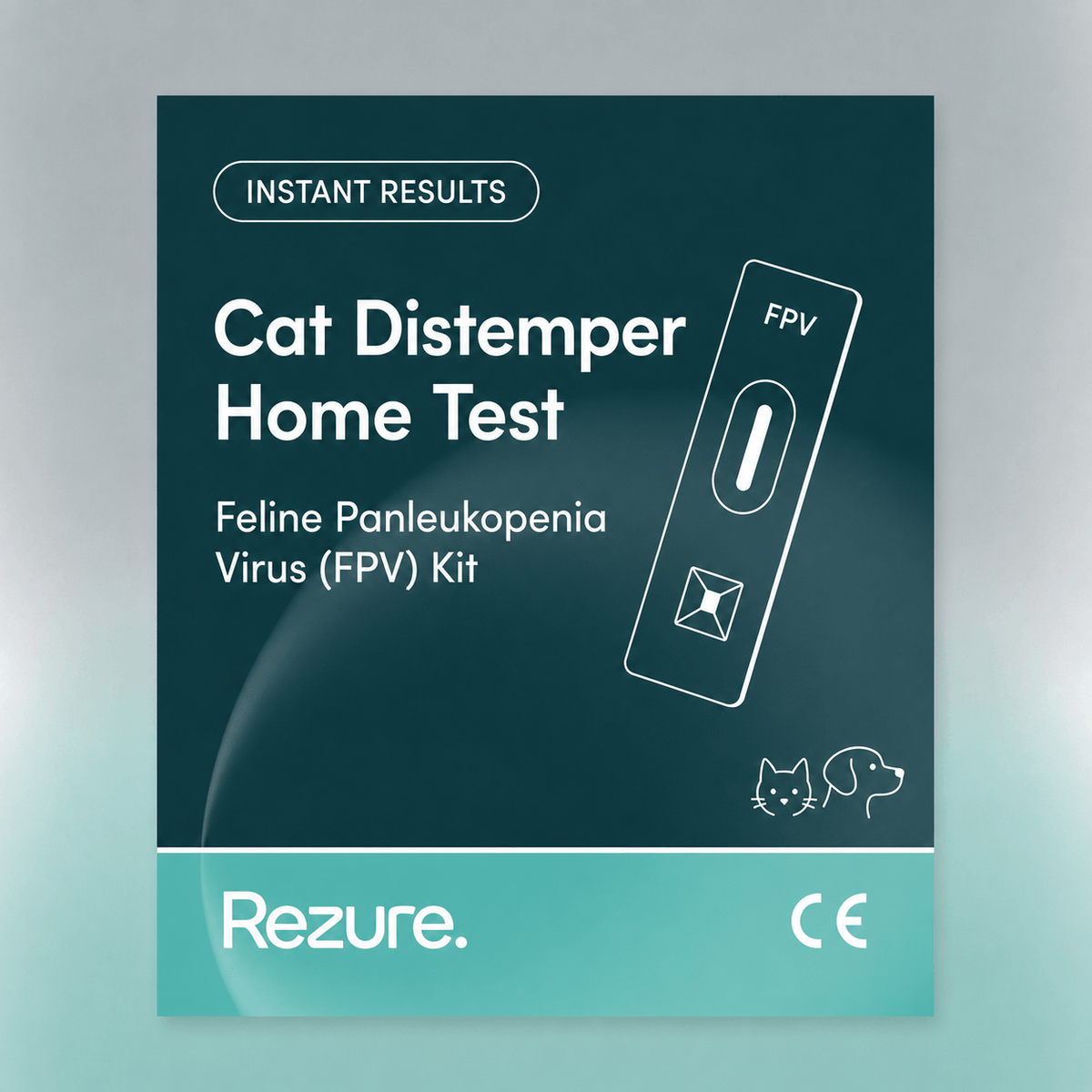
Cat Distemper (FPV) Rapid Home Test Kit

Quickly and accurately detect the presence of Feline Panleukopenia Virus (FPV) with our easy-to-use home test kit.

Also known as cat distemper, FPV is a highly contagious and life-threatening viral disease that causes severe fever, vomiting, and lethargy. This test works by identifying the virus in a small sample of your cat's faeces or vomit.

Early diagnosis is absolutely critical for this condition, as prompt veterinary treatment within the first 48 hours dramatically improves the chances of a full recovery. Testing at the first sign of symptoms allows you to take immediate, life-saving action.

Results in just 5 minutes.

Regular price £10.00
Sale price £10.00 Regular price £12.00
Sale Sold out
Taxes included. Shipping calculated at checkout.

Free UK shipping for orders over £20

View full details

About this test

Brand we're currently stocking: OneStep

This Cat Distemper Home Test checks for Feline Panleukopenia Virus (FPV) using a faecal or vomit sample. Feline Panleukopenia, also known as feline distemper, is a highly contagious and potentially life-threatening viral disease in cats, caused by the feline parvovirus. Common symptoms include fever, lethargy, loss of appetite, vomiting and diarrhoea.

Cats can pick up the infection through contact with infected blood, faeces, urine, or fleas that have fed on an infected cat. It can also spread via unwashed hands or shared items like bedding, food bowls and equipment, making it a particular risk in multi-cat households, shelters and catteries. Early diagnosis makes a real difference. If treatment begins promptly and your cat gets through the first 48 hours, a full recovery is likely — though it may take a few weeks to feel back to normal. Once a cat has recovered, it develops immunity and won't pass the virus on again.

This test is quick and simple to use at home, with everything needed included in the kit. It's suitable for pet owners as well as vets, giving you the information you need to act fast. Any positive result should be followed up with an immediate vet visit so treatment can start as soon as possible.

Brand of test may vary.

How this test helps you

Detects contagious Feline Panleukopenia Virus
Uses non-invasive faecal or vomit swab
Provides clear results in just 5 minutes
Enables rapid veterinary intervention
Crucial for multi-cat households and rescues
Identifies the virus during the active shedding phase
  • Instant, clear results

    Get an immediate answer at home in 10 minutes. No waiting around.

  • CE-certified & regulated

    Meets European standards for safety and reliability.

  • Clinically validated

    Tested to ensure accurate and consistent results.

  • Exceptional accuracy

    Detects even small traces clearly and reliably, every time.

Learn more about this test

Frequently Asked Questions

What exactly is Feline Panleukopenia Virus (FPV)?

Feline Panleukopenia Virus (FPV), frequently referred to as feline distemper or feline infectious enteritis, is a severe, highly contagious viral disease. It is caused by the feline parvovirus, which is closely related to the virus that causes parvovirus in dogs.

The virus aggressively attacks the rapidly dividing cells in a cat's body. This primarily affects the cells in the intestinal tract, bone marrow, and developing foetuses. By destroying white blood cells (leukocytes), the virus severely compromises the cat's immune system, leaving them highly vulnerable to secondary infections.

Because it is so dangerous, understanding when to test for serious conditions is vital. FPV is one of the core diseases that cats are routinely vaccinated against, but unvaccinated kittens and adult cats remain at extreme risk.

What are the main symptoms of cat distemper?

The symptoms of FPV can appear suddenly and escalate rapidly. Early signs often include profound lethargy, a significant loss of appetite, and a high fever. Owners frequently notice their cat sitting hunched over their water bowl without actually drinking.

As the virus attacks the intestinal tract, severe vomiting and profuse, often bloody diarrhoea develop. This leads to extreme, life-threatening dehydration. The cat's abdomen may also be very painful to the touch.

If you notice any of these severe digestive symptoms, you should test immediately. You can read more about testing for digestive issues on our blog, though FPV requires much more urgent action than typical stomach upsets.

How accurate is this rapid test?

This rapid antigen test is highly accurate when used correctly during the active shedding phase of the virus. It uses the same diagnostic technology that many veterinary clinics rely on for quick, in-house results.

The test is specifically designed to detect the FPV antigens present in a cat's faeces or vomit. A positive result (two lines) is a very strong indicator that the virus is present and active in your cat's system.

However, false negatives can occasionally occur if the test is performed too early or too late in the infection cycle when viral shedding is low. Following our tips for accurate home testing will help ensure you get the most reliable result possible.

How is the virus transmitted between cats?

FPV is incredibly contagious and resilient; it can survive in the environment for over a year and is resistant to many common household disinfectants. Cats primarily acquire the infection through contact with the faeces, urine, or vomit of an infected cat.

However, direct contact isn't necessary. The virus can be easily carried on the shoes, clothing, and hands of people who have handled infected animals. It can also spread via contaminated food bowls, bedding, litter trays, and even fleas.

This environmental resilience is why outbreaks are so common in multi-cat environments like shelters or feral colonies, and why rigorous hygiene and vaccination are so critical for prevention.

What should I do if the test result is positive?

A positive result for FPV is a medical emergency. You must contact your veterinary clinic immediately and inform them that your cat has tested positive for feline panleukopenia so they can prepare an isolation area.

There is no specific medication that kills the virus; treatment focuses entirely on aggressive supportive care. This usually involves intravenous fluids to combat severe dehydration, anti-nausea medications, and broad-spectrum antibiotics to prevent secondary bacterial infections while the cat's immune system is compromised.

If a cat receives prompt, intensive veterinary care and survives the first 48 hours of the illness, their chances of making a full recovery increase significantly. Once recovered, they will have lifelong immunity to the virus.

Can my vaccinated cat get FPV?

The FPV vaccine is considered a 'core' vaccine for cats and is highly effective. If your cat is fully up-to-date with their vaccinations, their risk of contracting cat distemper is extremely low.

However, no vaccine offers 100% protection. In rare cases, a vaccinated cat might contract a mild version of the illness if exposed to a very high viral load, or if their immune system was compromised when the vaccine was administered.

The highest risk group remains young kittens (before they have completed their primary vaccination course) and unvaccinated adult cats. If your vaccinated cat is showing severe symptoms, it is still worth testing, but other causes should also be urgently investigated by your vet.

Can my vaccinated cat get FPV?

The FPV vaccine is considered a 'core' vaccine for cats and is highly effective. If your cat is fully up-to-date with their vaccinations, their risk of contracting cat distemper is extremely low.

However, no vaccine offers 100% protection. In rare cases, a vaccinated cat might contract a mild version of the illness if exposed to a very high viral load, or if their immune system was compromised when the vaccine was administered.

The highest risk group remains young kittens (before they have completed their primary vaccination course) and unvaccinated adult cats. If your vaccinated cat is showing severe symptoms, it is still worth testing, but other causes should also be urgently investigated by your vet.

Is it better to use a faecal or vomit sample?

The test cassette is designed to work effectively with either a faecal (poo) sample or a vomit sample, as the virus is shed heavily in both during an active infection.

Generally, a faecal sample is preferred as it often contains the highest concentration of viral antigens. If your cat is experiencing severe diarrhoea, a swab from the loose stool is ideal. However, if your cat is vomiting frequently but has not passed stool, a vomit swab is a perfectly acceptable and effective alternative.

Ensure you only use a small amount of the sample to coat the cotton swab. Overloading the swab with too much solid matter can clog the test cassette and prevent the liquid from flowing correctly.

Can this virus infect humans or dogs?

Feline Panleukopenia Virus is highly specific to felines and a few related species (like raccoons and mink). It cannot infect humans, so you are not at risk of catching the disease from your cat.

While FPV is closely related to Canine Parvovirus (CPV), the feline virus does not typically cause illness in dogs. However, certain strains of the canine parvovirus *can* infect cats.

Even though you cannot catch it, you can act as a carrier. If you have been in contact with a cat suffering from FPV, you must wash your hands thoroughly and change your clothes before interacting with any other unvaccinated cats to prevent spreading the infection.

How do I read the test results?

Reading the test cassette is very similar to reading a standard lateral flow or pregnancy test. You must check the results at exactly the 5-minute mark for the most accurate reading.

If only one coloured line appears in the control area (marked 'C'), the result is negative. If two coloured lines appear—one in the control area ('C') and one in the test area ('T')—the result is positive, indicating the presence of the virus. Even a very faint line in the 'T' area should be considered a positive result.

If no line appears in the 'C' area, the test is invalid, regardless of whether a 'T' line appears. This usually means insufficient sample was added or the cassette was damaged, and you will need to retest using a new kit. For more reassurance on testing procedures, read our self-testing questions answered guide.

How to use this test

1
Collect the sample
Using the sterile cotton swab provided, collect a small sample of your cat's faeces or vomit. Ensure the swab tip is well-coated but not overloaded with the sample.
2
Prepare the solution

Open the small tube containing the buffer solution. Insert the swab into the tube and stir it vigorously for several seconds to mix the sample with the liquid.

3
Squeeze the swab

As you remove the swab from the tube, press the cotton tip against the inside wall of the tube to squeeze out as much liquid as possible. Discard the used swab.

4
Close the tube

Securely place the dropper cap back onto the buffer tube. Give the tube a gentle shake to ensure the solution is completely mixed.

5
Apply to the cassette

Remove the test cassette from its foil pouch and place it on a flat surface. Squeeze exactly 3 drops of the mixed solution into the sample well (marked 'S').

6
Read your results

Wait exactly 5 minutes for the lines to develop. Do not read the results after 10 minutes as they may become inaccurate over time.

Good value and instant results

  • Identifies life-threatening FPV
  • Uses faeces or vomit samples
  • Results in just 5 minutes
  • Highly accurate and reliable
  • Essential for early treatment
  • Clear, easy-to-read lines