Pet Blood Glucose Meter for Cats and Dogs – CERA-PET

£26.00 £30.00
In stock
Skip to product information
1 of 1

Pet Blood Glucose Meter for Cats and Dogs – CERA-PET

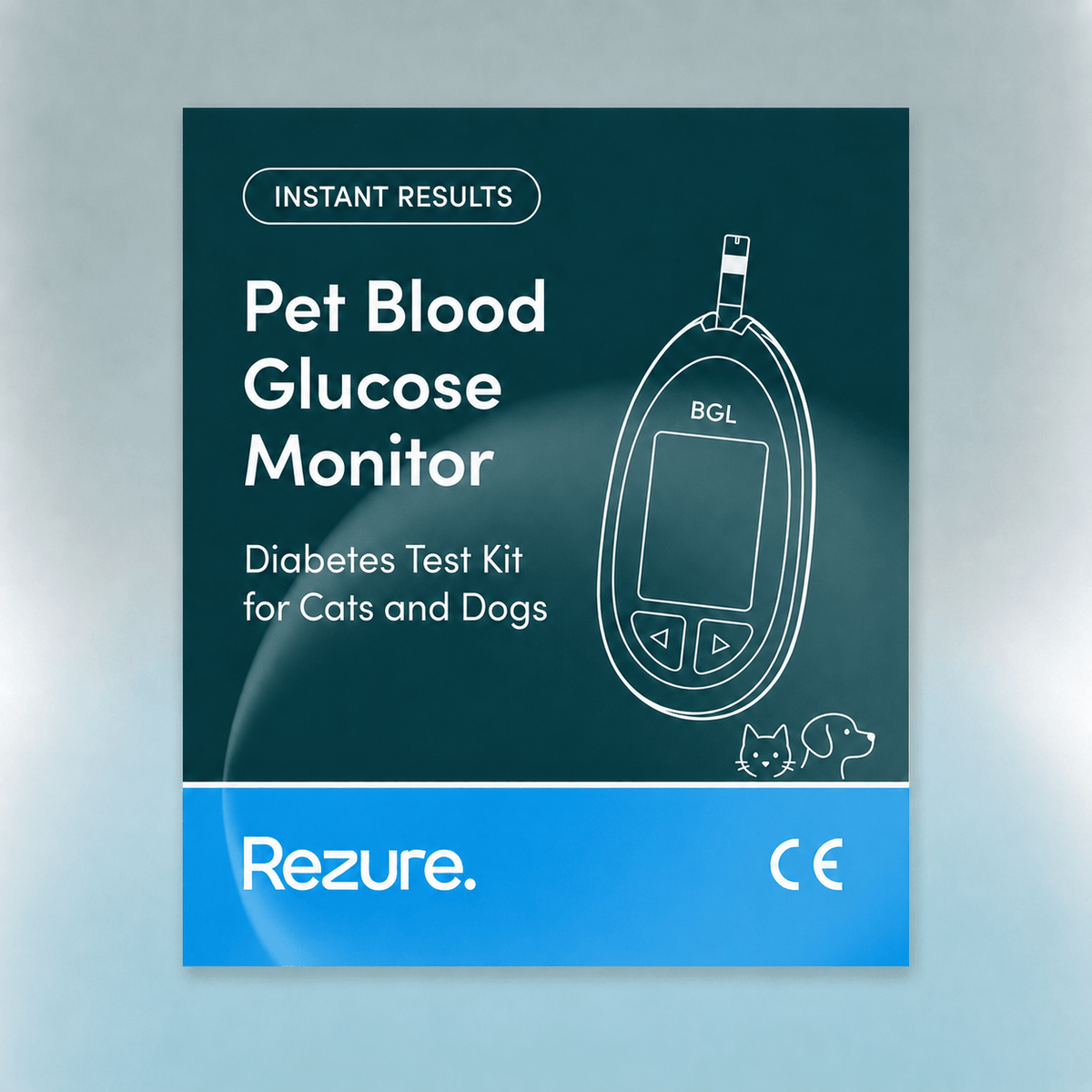
Pet Blood Glucose Meter for Cats and Dogs – CERA-PET

Monitor your pet's blood sugar levels quickly and easily with this veterinary-grade self-testing kit.

Diabetes in pets can cause excessive thirst, frequent urination, weight loss, and lethargy, often going unnoticed until symptoms worsen. This meter measures glucose in your pet's blood, helping you assess whether their sugar levels are stable.

Identify potential blood glucose issues early and take steps to support your pet's health and overall well-being. This starter kit includes everything you need for simple at-home monitoring.

Reliable results in 5 seconds.

Regular price £26.00
Sale price £26.00 Regular price £30.00
Sale Sold out
Taxes included. Shipping calculated at checkout.

Free UK shipping for orders over £20

View full details

About this test

Brand we're currently stocking: CERA-PET

Our Pet Blood Glucose Meter makes it easy to check your cat or dog's blood sugar levels — all from the comfort of home. This simple test measures glucose in your pet's blood, giving you a quick indication of whether their levels are stable.

Maintaining healthy blood glucose is crucial for pets with diabetes. When glucose levels are unregulated, it can lead to symptoms like excessive thirst, frequent urination, weight loss, and lethargy — common signs of feline or canine diabetes.

Older pets and certain breeds may be at higher risk.

With a clear digital display, this highly sensitive meter gives you an easy-to-read indication of your pet's blood sugar in just 5 seconds.

Unlike human meters, this device is specifically calibrated for the unique glucose distribution in the blood of cats and dogs, ensuring exceptional accuracy.

If your results suggest abnormal glucose levels, it is essential to discuss them with your veterinarian to determine if dietary changes or insulin therapy are needed.

What comes in this kit?

1x CERA-PET Blood Glucose Meter
10x Blood Glucose Test Strips
1x Adaptable Lancing Device
25x Sterile Lancets
2x Calibration Code Keys (Cat & Dog)
Easy-read instruction sheet
Learn more about this test

Frequently Asked Questions

Who is this pet blood glucose meter recommended for?

This meter is designed for pet owners who want to monitor their cat or dog's blood sugar levels at home. It is particularly useful if your pet has been diagnosed with feline diabetes or canine diabetes, or if they are showing early warning signs such as excessive thirst (polydipsia), frequent urination (polyuria), unexplained weight loss, or persistent lethargy.

Certain animals are at a higher risk of developing diabetes and may benefit from regular glucose monitoring:

  • Older cats and dogs — the risk of pet diabetes increases significantly with age, particularly in cats over 7 years old.
  • Overweight or obese pets — excess body fat contributes to insulin resistance in both cats and dogs.
  • Certain breeds — Burmese cats, Tonkinese cats, Australian Terriers, Samoyeds, and Miniature Schnauzers are among those genetically predisposed.
  • Pets on long-term corticosteroid medication — these drugs can interfere with insulin function and elevate blood glucose.
  • Female dogs — unspayed females have a higher incidence of diabetes due to hormonal fluctuations during their cycle.

If you're unsure whether your pet needs glucose monitoring, speak to your veterinarian. Early detection of abnormal blood sugar can make a significant difference to treatment outcomes and quality of life.

Can I use a human blood glucose meter on my cat or dog?

No — using a human glucometer on a pet will produce inaccurate readings, and veterinary professionals strongly advise against it. The reason comes down to how glucose is distributed in the blood. In humans, approximately 58% of blood glucose is found in the plasma. In dogs, that figure rises to around 87.5%, and in cats it is as high as 93%.

Human meters are calibrated for human blood composition, so when used on a pet they will significantly underestimate the true glucose concentration. This could lead to dangerous mismanagement of insulin dosing or a failure to detect hyperglycaemia (high blood sugar) when it is present.

A pet-specific blood glucose meter like this one is calibrated to account for the different plasma-to-whole-blood glucose ratio in cats and dogs, delivering readings that are clinically meaningful for your animal. It is the same principle that applies to home diabetes testing in humans — the device must be matched to the biology it is measuring.

How accurate is this pet glucose meter compared to a vet's laboratory test?

When used according to the instructions, this meter delivers an accuracy rate exceeding 98.5% when benchmarked against professional veterinary laboratory biometric analysers. It uses advanced biosensor technology with species-specific calibration code keys (one for cats, one for dogs) to ensure the reading reflects the true glucose level in your pet's blood.

Several factors can affect accuracy, so it is important to store test strips correctly (sealed in their vial, away from heat and moisture), ensure the blood sample fully fills the test strip channel, and check that the correct calibration key is inserted for your pet's species. Following these steps will give you results you and your vet can rely on for making informed decisions about insulin dosing and dietary management.

We hold all of our products — including pet health tests — to the same rigorous standards of safety, reliability, and accuracy that apply across our full range.

What does this pet blood glucose meter actually measure?

This device measures the concentration of glucose (sugar) in your pet's capillary blood, expressed in either mmol/L or mg/dL depending on the unit setting you select. Glucose is the primary energy source for your pet's cells, and its level in the blood is regulated by insulin — a hormone produced by the pancreas.

When insulin production is insufficient (as in type 1 diabetes) or when cells become resistant to insulin (as in type 2 diabetes), glucose accumulates in the bloodstream. Monitoring this level helps you and your vet understand how well your pet's diabetes is being managed day to day, whether their current insulin dose is effective, and how their blood sugar responds to food, exercise, and stress.

For a deeper understanding of how blood glucose and related markers like ketones interact in diabetes, our article on what ketones are and why they matter for diabetes testing explains the metabolic relationship in more detail.

Where should I take the blood sample from my pet?

The recommended sampling site for both cats and dogs is the marginal ear vein — the thin vein running along the outer edge of the ear flap. This area has good blood flow, is relatively pain-free, and is easy to access without restraining your pet excessively.

For dogs, alternative sites include the inner lip (buccal mucosa) or the paw pad callus. For cats, the ear remains the most practical and least stressful option. Whichever site you choose, gently warming the area beforehand (for example, by holding a warm cloth against the ear for 30 seconds) will encourage blood flow and make it easier to obtain the tiny sample needed.

The included lancing device has adjustable depth settings so you can find the shallowest puncture that still produces a sufficient drop. Only 0.5 microlitres of blood is required — far less than a pinhead — which keeps discomfort to an absolute minimum.

Do I need to send a sample to a laboratory?

No. This is a complete point-of-care testing kit — everything you need to measure your pet's blood glucose level is included in the box. You collect a tiny blood sample, apply it to the test strip, and the meter displays a digital reading on screen within 5 seconds. There is no waiting for postal results, no lab fees, and no follow-up appointment needed just to get a number.

This makes it ideal for routine monitoring between vet visits, particularly if your pet requires multiple daily glucose checks as part of an insulin regulation protocol. You can test as often as your vet recommends without leaving home.

Why is testing blood glucose at home better than at the vet clinic?

One of the most significant advantages of home blood glucose monitoring for pets is the elimination of stress hyperglycaemia — a well-documented phenomenon where the anxiety of a veterinary visit causes a temporary spike in blood sugar that does not reflect the animal's true baseline level.

Cats are particularly susceptible to stress hyperglycaemia. Studies have shown that a stressed cat's blood glucose can rise by 5–10 mmol/L above its resting level simply from the car journey and clinic environment. This can lead to false high readings, unnecessary insulin dose increases, and a distorted picture of how well the diabetes is actually controlled.

By testing at home in a calm, familiar environment, you get readings that genuinely represent your pet's day-to-day glucose levels. This data is far more useful for your vet when adjusting treatment plans. Many veterinary professionals now actively encourage home monitoring for this reason, as it provides a more complete and accurate glucose curve than a single stressed reading taken in the surgery.

The same principle of testing at home for more reliable results applies across both human and animal health.

My pet's blood glucose reading was high. What should I do?

If your pet's reading is above the normal range recommended by your veterinarian (typically above 8–10 mmol/L for a fasting cat or dog, though individual targets vary), do not panic — but do take it seriously. A single elevated reading does not necessarily indicate a crisis, as factors like a recent meal, stress, or illness can temporarily raise blood sugar.

Here is what to do:

  • Do not adjust insulin doses on your own. Changing the dose without veterinary guidance can cause dangerous hypoglycaemia (low blood sugar), which is a medical emergency.
  • Retest after 1–2 hours to see if the reading was a one-off spike or a sustained elevation.
  • Check for ketones if your pet seems unwell, lethargic, or is vomiting — high glucose combined with ketones can indicate diabetic ketoacidosis (DKA), which requires urgent veterinary attention.
  • Contact your vet with the readings and any observations about your pet's behaviour, appetite, and water intake. They can advise whether a dose adjustment or further investigation is needed.

Keeping a written log of all readings, meal times, and insulin doses will help your vet see patterns and make better-informed treatment decisions over time.

How to use this test

1
Prepare the meter

Insert the correct calibration code key into the meter.

Use the Cat key for cats, or the Dog key for dogs. This ensures the meter is accurately calibrated for your pet's specific blood composition.

2
Prepare the lancing device

Remove the cap from the lancing device and insert a new sterile lancet.

Twist off the lancet's protective cover and replace the device cap.

Adjust the puncture depth setting based on your pet's skin thickness.

3
Insert a test strip

Take a new test strip from the vial and immediately close the vial tightly.

Insert the strip into the meter's slot. The meter will turn on automatically and display a blood drop symbol, indicating it is ready.

4
Collect the blood sample

Warm your pet's ear slightly to increase blood flow.

Place the lancing device against the edge of the ear (marginal ear vein) and press the release button.

Gently massage the area to form a small drop of blood. Only 0.5µL is needed.

5
Apply blood to the strip

Bring the edge of the test strip to the blood drop.

The strip will automatically draw the blood into the test channel. Ensure the channel is completely filled.

6
Read the results

The meter will count down from 5 seconds and then display your pet's blood glucose reading on the screen.

Record the result in your logbook and safely dispose of the used lancet and test strip.

  • Instant, clear results

    Get an immediate answer at home in 10 minutes. No waiting around.

  • CE-certified & regulated

    Meets European standards for safety and reliability.

  • Clinically validated

    Tested to ensure accurate and consistent results.

  • Exceptional accuracy

    Detects even small traces clearly and reliably, every time.

Good value and instant results

  • Easily monitor your pet's blood sugar at home
  • Avoid stress-induced high readings at the vet
  • Quick and reliable results in just 5 seconds
  • Calibrated specifically for cats and dogs
  • Everything you need in one starter kit
  • Stores up to 1000 test results in memory