Pet Kidney Disease Urine Test Strips

£9.00 £11.00
In stock
Skip to product information
1 of 1

Pet Kidney Disease Urine Test Strips

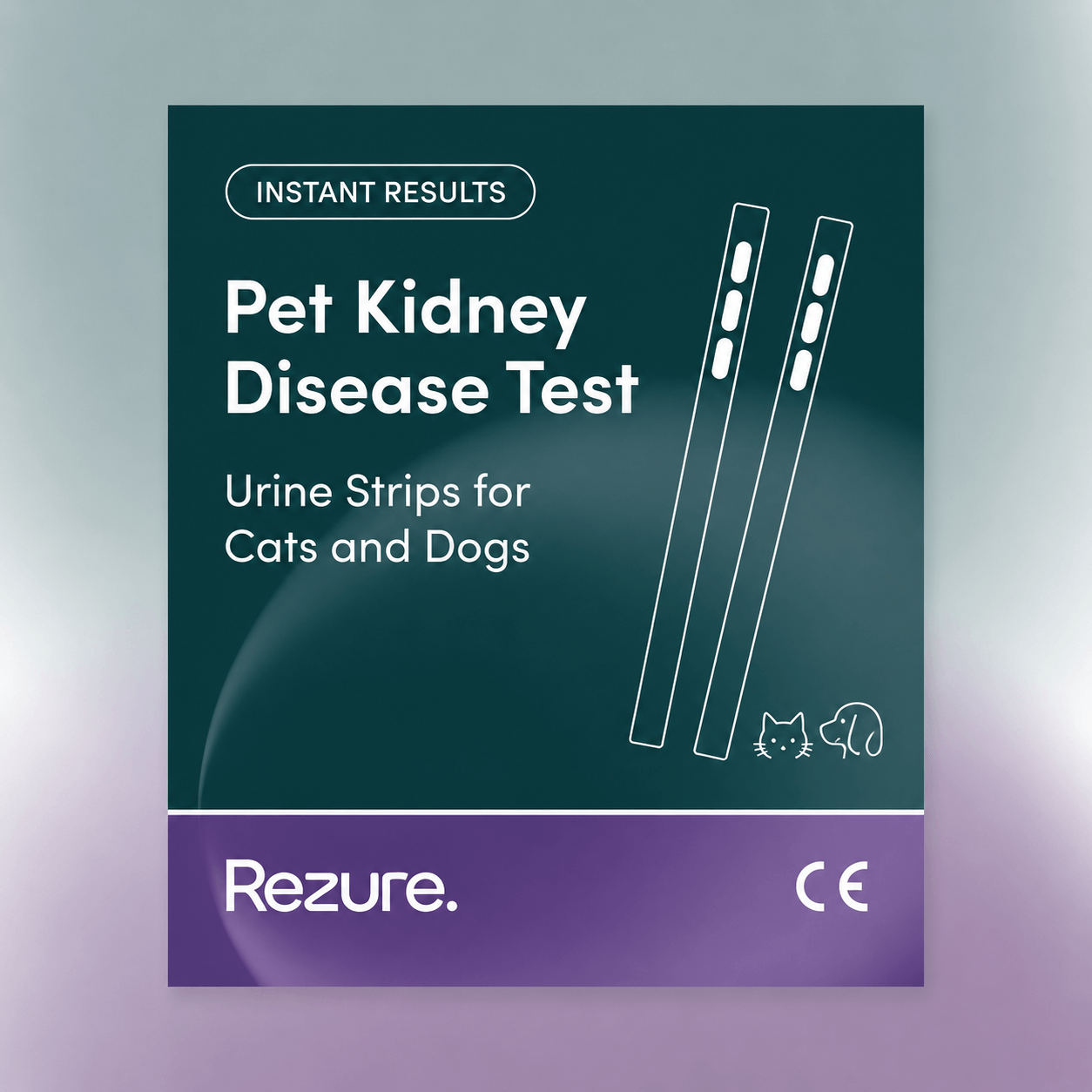
Pet Kidney Disease Urine Test Strips

Screen your pet for kidney disease quickly and easily with these rapid urinalysis test strips.

Chronic kidney disease is a major cause of illness in older dogs and cats, and these strips measure three key parameters, Specific Gravity, Protein, and Creatinine, to help detect early warning signs. By identifying abnormal protein loss or dilute urine, you can spot potential kidney failure before severe symptoms appear.

Identify kidney problems early so you can seek prompt veterinary treatment and make vital dietary changes to support your pet's renal health.

Results in just 60 seconds.

Regular price £9.00
Sale price £9.00 Regular price £11.00
Sale Sold out
Taxes included. Shipping calculated at checkout.

Free UK shipping for orders over £20

View full details

About this test

Brand we're currently stocking: OneStep

Our Pet Kidney Disease Urine Test Strips make it simple to monitor your dog or cat's renal health from home. These strips are specifically calibrated for animal urine, measuring three essential parameters: Specific Gravity, Protein, and Creatinine.

Chronic kidney disease is a leading cause of illness in older pets, but symptoms often don't appear until significant kidney damage has already occurred. By checking these parameters, you can calculate the urine protein-to-creatinine (UP/C) ratio, which helps identify if protein is being abnormally lost through the kidneys.

This test is particularly valuable for senior cats and dogs, breeds prone to renal issues, or pets showing early signs like increased thirst and urination. It is crucial to use animal-specific strips rather than human ones, as the baseline parameters differ significantly between species.

The testing process is stress-free and delivers clear, easy-to-read results in just 60 seconds. You simply compare the colour changes on the strip to the provided chart.

If the results indicate abnormal protein levels or consistently dilute urine, you should consult your veterinarian immediately for a comprehensive diagnosis and treatment plan. To understand more about the value of early detection, read our guide on when and why to test at home.

How this test helps you

Read results in just 60 seconds
Measures 3 key kidney parameters
Specifically calibrated for pets
Helps detect silent kidney disease
Non-invasive urine testing
Provides peace of mind at home
Learn more about this test

Frequently Asked Questions

What parameters does this kidney test measure?

This test measures three critical parameters: Specific Gravity, Protein, and Creatinine. Specific Gravity indicates how well your pet's kidneys are concentrating urine; consistently dilute urine is often one of the first signs of renal failure. Protein detection checks for proteinuria, which occurs when damaged kidneys leak protein from the blood into the urine.

Creatinine is a waste product excreted by the kidneys at a relatively constant rate. By measuring both protein and creatinine, you can calculate the Urine Protein:Creatinine (UP/C) ratio. This ratio provides a much more accurate assessment of kidney health than measuring protein alone, as it accounts for how dilute or concentrated the urine sample is.

These are the exact same parameters your vet would check during a standard urinalysis. Monitoring them at home allows you to track changes over time, which is especially useful for senior pets. For more tips on getting the most out of your home testing, see our 12 tips for accurate self-testing results.

Why can't I just use human urine test strips on my pet?

It is crucial to use specifically calibrated animal urinalysis strips because the normal baseline parameters for dogs and cats differ significantly from those of humans. For example, the specific gravity of healthy feline urine is naturally much more concentrated than human urine, so a human test strip would likely yield inaccurate or misleading results.

Additionally, the threshold for what constitutes abnormal protein levels varies between species. Using a human test could result in a false positive, causing unnecessary worry, or a false negative, meaning you might miss early signs of chronic kidney disease (CKD) when intervention is most effective.

These ONE STEP strips are designed exclusively for veterinary use, ensuring the chemical pads react appropriately to the unique composition of cat and dog urine. This guarantees that the results you read against the colour chart are accurate and reliable for your pet.

What are the early signs of kidney disease in dogs and cats?

One of the earliest and most common signs of chronic kidney disease (CKD) in both dogs and cats is polydipsia (increased thirst) accompanied by polyuria (increased urination). You might notice your pet drinking from their bowl more frequently, seeking out unusual water sources, or needing to go outside more often. Cats may start leaving larger, heavier clumps in their litter tray.

As the disease progresses and the kidneys lose their ability to filter toxins, you may observe a decrease in appetite, unexplained weight loss, and lethargy. Your pet might also experience vomiting, diarrhoea, or develop a dull, unkempt coat. In advanced stages, they may suffer from bad breath with a chemical or ammonia-like odour due to the build-up of urea in the bloodstream.

Because animals instinctively hide illness, these symptoms often don't become obvious until up to 75% of kidney function has already been lost. This is why proactive screening with urine test strips is so valuable for older pets. Similar to how we monitor our own health, early detection is key to managing chronic conditions effectively.

How do I collect a urine sample from my pet?

Collecting a urine sample requires a bit of patience, but it is entirely non-invasive. For dogs, the easiest method is to take them out on a lead. When they lift their leg or squat, gently slide a clean, shallow container (like a washed takeaway tub or a specialised urine collection ladle) into the urine stream. Try to catch the 'mid-stream' sample, as this is less likely to be contaminated by bacteria from the lower urethra.

For cats, collection can be slightly trickier. The most effective approach is to empty their litter tray completely, clean it thoroughly, and replace their normal litter with a non-absorbent alternative. You can purchase special hydrophobic veterinary litter (often plastic beads), or use clean aquarium gravel. Once the cat has urinated, you can easily pour or pipette the liquid into a clean container.

It is important to test the urine as soon as possible after collection—ideally within 30 minutes. If you cannot test it immediately, store the sample in the refrigerator, but ensure you allow it to return to room temperature before dipping the test strip, as cold urine can affect the chemical reactions on the pads.

How do I calculate the UP/C ratio?

The Urine Protein:Creatinine (UP/C) ratio is a simple calculation that helps determine if protein loss in the urine is clinically significant. To calculate it, you first read the protein result from the test strip and note the corresponding numerical value from the colour chart. Next, you read the creatinine result and note its numerical value.

You then divide the protein value by the creatinine value. For example, if the protein pad shows 30 mg/dL and the creatinine pad shows 100 mg/dL, the UP/C ratio is 30 ÷ 100 = 0.3. The kit includes detailed guidance on how to interpret this final number, as the thresholds for concern differ slightly between dogs and cats.

Generally, a UP/C ratio of less than 0.2 in cats and 0.4 in dogs is considered normal. Values above these thresholds indicate proteinuria, which warrants veterinary investigation. By using the ratio, you account for the urine's concentration—a trace amount of protein in very dilute urine is far more concerning than the same amount in highly concentrated urine.

What should I do if the test results are abnormal?

If the test strip indicates low specific gravity (dilute urine), high protein, or an elevated UP/C ratio, your first step should be to contact your veterinarian to schedule an appointment. Do not panic, as abnormal results can sometimes be caused by temporary issues like a urinary tract infection (UTI) rather than chronic kidney disease.

Take a clear photograph of the test strip next to the colour chart immediately after the 60-second reading time, and show this to your vet. They will likely want to perform a comprehensive blood panel to check Blood Urea Nitrogen (BUN) and SDMA levels, alongside a laboratory urinalysis to confirm the diagnosis and assess the exact stage of any renal dysfunction.

If kidney disease is diagnosed, your vet will recommend a management plan. This typically involves transitioning your pet to a prescription renal diet that is restricted in phosphorus and high-quality protein, which significantly reduces the workload on the kidneys. They may also prescribe medications to manage blood pressure or protein loss, and advise on strategies to increase your pet's water intake.

How often should I test my pet's urine?

For healthy adult dogs and cats under the age of 7, testing their urine once a year as part of an annual health review is usually sufficient. This establishes a baseline for their specific gravity and protein levels, making it easier to spot subtle changes later in life.

Once your pet reaches their senior years (typically around 7 or 8 years old, depending on the breed), the risk of chronic kidney disease increases significantly. For these older pets, testing every 3 to 6 months is recommended. Proactive monitoring is the best way to catch renal decline in its early, silent stages before clinical symptoms like weight loss and lethargy appear.

If your pet has already been diagnosed with early-stage kidney disease, or if they are on medications that can affect renal function (such as certain NSAIDs for arthritis), your vet may suggest testing more frequently. Regular home testing allows you to track the effectiveness of dietary changes and medications without the stress and expense of frequent clinic visits.

Can diet affect the test results?

Yes, your pet's diet and water intake can significantly influence the results of a urinalysis, particularly the specific gravity and protein readings. A diet very high in protein can sometimes cause a temporary, mild increase in urinary protein excretion. Conversely, if your pet has recently consumed a large volume of water, their urine will naturally be more dilute, resulting in a lower specific gravity reading.

To obtain the most accurate and consistent results, it is best to test the first urine passed in the morning. This 'first morning void' is typically the most concentrated sample of the day, making it the most reliable indicator of the kidneys' true concentrating ability and the best sample for detecting abnormal protein leakage.

If you have recently changed your pet's diet, especially to a prescription renal or urinary formula, you should wait a few weeks before testing to allow their system to adjust. Always ensure your pet has access to fresh water, but try to maintain their normal routine prior to collecting a sample to avoid artificially skewing the results.

Are these strips suitable for monitoring a pet already diagnosed with kidney disease?

Absolutely. While these strips are excellent for early detection, they are equally valuable for monitoring pets that have already been diagnosed with chronic kidney disease (CKD). Regular home testing allows you to track the progression of the disease and the effectiveness of your management strategy in a stress-free environment.

By monitoring the UP/C ratio and specific gravity every few weeks, you can quickly identify if protein loss is worsening or if the kidneys are losing further concentrating ability. This real-time data empowers you to have more informed discussions with your vet, potentially allowing for timely adjustments to medications or diet before a crisis occurs.

Home monitoring is particularly beneficial for cats, who often find trips to the vet highly stressful. Stress can temporarily alter physiological parameters, so testing at home often yields a more accurate reflection of your pet's day-to-day baseline. For more insights on the benefits of reliable home diagnostics, read our article on safe and accurate self-testing.

How to use this test

1
Collect the urine sample

Collect a fresh urine sample from your pet using a clean, dry container. For dogs, catch the mid-stream urine while they are outside.

For cats, use non-absorbent veterinary litter in a clean tray, then pour the collected liquid into a container.

2
Prepare the test strip

Remove a single test strip from the foil pouch just before you are ready to use it.

Ensure you do not touch the chemical reagent pads at the end of the strip with your fingers, as this can contaminate the test.

3
Dip the strip

Immerse the reagent pads completely into the urine sample.

Ensure all three pads (Specific Gravity, Protein, and Creatinine) are fully covered by the liquid.

4
Remove and tap

Remove the strip from the urine immediately.

Tap the edge of the strip gently against the side of the container or a piece of paper towel to remove any excess liquid and prevent the colours from bleeding into one another.

5
Wait 60 seconds

Hold the strip horizontally to prevent cross-contamination between the pads.

Start a timer and wait exactly 60 seconds for the chemical reactions to occur.

6
Read the results

Compare the colours on the test pads to the colour chart provided in the kit.

Read the results in good lighting, matching the specific gravity, protein, and creatinine colours to calculate the UP/C ratio as guided.

  • Instant, clear results

    Get an immediate answer at home in 60 seconds. No waiting around.

  • CE-certified & regulated

    Meets European standards for safety and reliability.

  • Clinically validated

    Tested to ensure accurate and consistent results.

  • Exceptional accuracy

    Detects even small traces clearly and reliably, every time.

Good value and instant results

  • Detect kidney issues early
  • Monitor senior pets from home
  • Quick and reliable results in 60 seconds
  • Simple urine dipstick method
  • Calculates vital UP/C ratio
  • Ideal for dogs and cats