Pet 10 Parameter Urine Test Strips for Cats & Dogs (50 Pack)

£12.00 £15.00
In stock
Skip to product information
1 of 1

Pet 10 Parameter Urine Test Strips for Cats & Dogs (50 Pack)

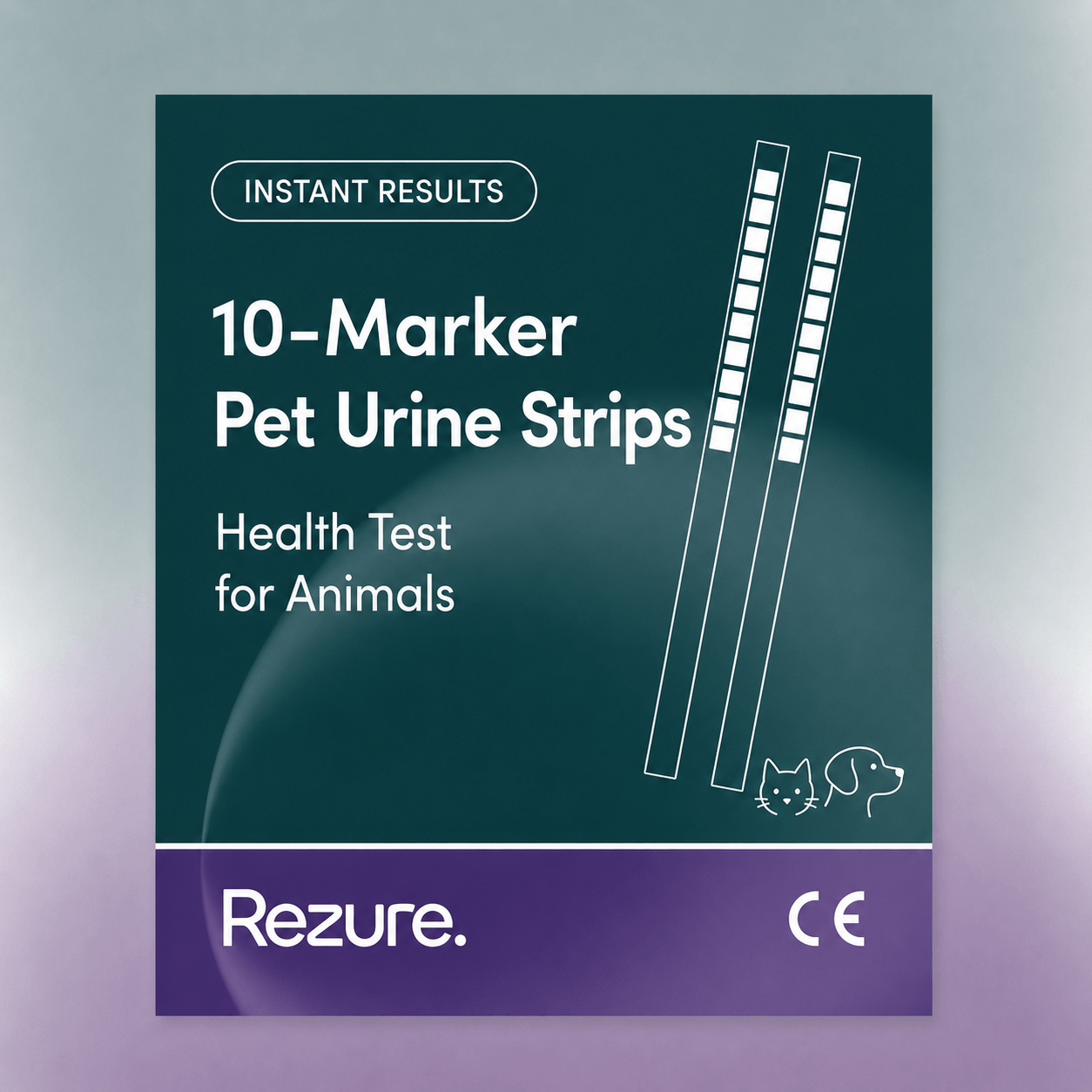
Pet 10 Parameter Urine Test Strips for Cats & Dogs (50 Pack)

Screen your pet's overall health and organ function quickly with these comprehensive 10-parameter urine test strips.

These veterinary-grade strips detect 10 distinct health markers, including glucose, protein, pH, and blood, helping to identify potential issues with the kidneys, liver, or urinary tract. By checking these parameters at home, you can spot early warning signs of conditions like diabetes or bladder stones before severe symptoms develop.

Regular monitoring provides peace of mind and allows you to seek prompt veterinary care if any abnormalities are detected. They are especially useful for managing chronic conditions or routinely checking senior pets.

Results in just 60 seconds.

Regular price £12.00
Sale price £12.00 Regular price £15.00
Sale Sold out
Taxes included. Shipping calculated at checkout.

Free UK shipping for orders over £20

View full details

About this test

Brand we're currently stocking: OneStep

This comprehensive urinalysis kit allows you to perform the same initial screening tests your vet uses, right from the comfort of your home. By evaluating the end products of your pet's metabolic filtering process, these strips provide an excellent snapshot of their overall internal health across 10 different parameters.

The strips check for crucial markers, including pH, specific gravity, protein, sugar (glucose), ketones, bilirubin, and blood. Detecting abnormalities in these areas can reveal early warning signs of diabetes mellitus, kidney dysfunction, liver disorders, or painful urinary tract infections.

These tests are particularly valuable for senior pets, animals with a history of urinary issues, or pets currently managing chronic conditions like diabetes. Regular monitoring helps you catch changes before they develop into serious clinical emergencies.

Reading the results is straightforward and fast. Simply compare the colours on the dipped strip to the chart provided on the tub. Most parameters are ready to read in just 60 seconds, with leukocytes taking up to 120 seconds for full development.

If your pet's urine tests positive for any abnormal parameters, such as glucose or blood, you should schedule an appointment with your veterinary surgeon. These strips are a screening tool to guide your home care, not a replacement for professional diagnosis.

How this test helps you

Reads 10 health markers in just 60 seconds
Identifies early signs of diabetes and kidney issues
Monitors urinary tract health and pH levels
Calibrated specifically for cats and dogs
Contains 50 strips for regular routine checking
Provides peace of mind between vet visits
Learn more about this test

Frequently Asked Questions

What exactly do these 10 parameters measure?

The strips check 10 distinct markers: pH, specific gravity, protein, glucose (sugar), ketones, bilirubin, blood, urobilinogen, nitrites, and leukocytes. Each parameter offers a different insight into your pet's metabolic and organ health.

For example, glucose and ketones are primary indicators for diabetes mellitus, while protein and specific gravity help assess kidney function. Bilirubin points towards liver or autoimmune issues, and the presence of blood or abnormal pH can indicate urinary tract infections or bladder stones.

While all 10 pads will react, parameters like nitrites and leukocytes are more relevant for certain species and may be less diagnostically significant for cats and dogs compared to humans. Your vet can help interpret the full clinical picture.

Can I just use human urine test strips on my pet?

No, you should always use veterinary-specific urinalysis strips. While the basic chemical reactions are similar, the baseline normal values and parameter sensitivities differ significantly between humans and companion animals.

For instance, the normal specific gravity and pH ranges for a cat eating a high-protein meat diet are very different from a human's normal range. Using human strips can easily lead to misinterpretation and unnecessary panic.

These One Step strips are calibrated specifically for veterinary use, ensuring that the colour chart provided accurately reflects the health status of dogs, cats, and other small animals.

How do I collect a urine sample from my dog or cat?

Collecting urine requires a bit of patience. For dogs, the easiest method is to use a clean, shallow container (like a foil takeaway tray or a thoroughly washed plastic tub) attached to a long handle or stick. Simply slip it under them mid-stream while they are urinating on a walk.

For cats, you can purchase special non-absorbent hydrophobic cat litter. You replace their normal litter with these plastic beads, allow them to urinate, and then use a pipette or syringe to collect the pooled urine from the bottom of the tray.

Always try to test the urine as fresh as possible, ideally within 30 minutes of collection. If you must wait, store the sample in the fridge, but allow it to return to room temperature before dipping the strip to ensure accurate and reliable results.

What does it mean if the strip shows protein in the urine?

Protein is not normally found in healthy pet urine, as the kidneys should filter it back into the bloodstream. A positive result for protein (proteinuria) is often a red flag that requires further investigation.

It can indicate a temporary issue like a bacterial infection or inflammation in the urinary tract, or it could be an early sign of chronic kidney disease. Sometimes, blood in the urine will also cause a positive protein reading.

If you detect protein, you should consult your vet. They will likely perform a more specific test called a Urine Protein:Creatinine (UPC) ratio to quantify the exact amount of protein being lost and determine the underlying cause.

Why are glucose and ketones important to monitor?

Glucose (sugar) should be completely reabsorbed by the kidneys. If glucose spills over into the urine, it strongly suggests that the blood sugar levels are abnormally high, which is the hallmark symptom of diabetes mellitus.

Ketones are acidic by-products produced when the body cannot use glucose for energy and begins breaking down fat instead. The presence of both glucose and ketones in the urine is a serious warning sign of diabetic ketoacidosis (DKA), a life-threatening emergency.

If your pet has been drinking excessively, urinating frequently, and tests positive for glucose, contact your vet immediately for a formal diabetes assessment.

How often should I test my pet's urine?

The frequency of testing depends entirely on your pet's age and current health status. For a healthy adult dog or cat, a routine check every 3 to 6 months is usually sufficient to establish a baseline and catch any silent, developing issues.

If your pet is a senior (over 7 years old) or belongs to a breed prone to kidney or urinary issues, monthly checks may be more appropriate. Catching changes in specific gravity or pH early can make a huge difference in long-term management.

For pets already diagnosed with a condition like diabetes or a history of bladder stones, your vet will advise you on a specific monitoring schedule. You might need to test weekly or even daily to ensure their treatment plan is working effectively.

What should I do if the pH level is abnormal?

The pH level indicates the acidity or alkalinity of the urine. A healthy dog or cat typically has a slightly acidic urine pH, usually between 6.0 and 6.5, though this naturally fluctuates throughout the day based on their meals.

If the urine is consistently too alkaline (high pH), it creates an environment where struvite bladder crystals and stones can form. If it's too acidic (low pH), calcium oxalate stones become a risk. Abnormal pH is also often linked to bacterial urinary tract infections.

Do not attempt to alter your pet's urine pH with home remedies. If the reading is consistently outside the normal range, speak to your vet, who may recommend a specific prescription diet to safely dissolve crystals and rebalance the pH.

How long do the strips last once the tub is opened?

Urine test strips are highly sensitive to moisture and light. Once the factory seal on the tub is broken, the 50 strips inside will remain accurate for up to 6 months, provided they are stored correctly.

To maximise their lifespan, you must tightly reseal the cap immediately after removing a single strip. Never leave the tub open while you perform the test. Do not remove the desiccant packet from inside the tub, as this absorbs ambient moisture.

Store the tub in a cool, dry place away from direct sunlight. Do not store them in the bathroom, as the fluctuating humidity from showers can degrade the chemical reagent pads prematurely.

Are these strips a replacement for visiting the vet?

No, at-home urinalysis strips are a screening and monitoring tool, not a diagnostic one. They provide valuable data about what is happening inside your pet's body, but they cannot tell you exactly why an abnormality is occurring.

If you get a positive result for blood, glucose, ketones, or protein, or if you notice your pet straining to urinate, you must seek professional veterinary advice. Your vet will use these results alongside blood tests and physical exams to form a complete diagnosis.

Think of these strips as an early warning system. They empower you to be proactive about your pet's health and provide reliable, accurate data to share with your vet when an issue arises.

How to use this test

1
Prepare the test

Remove a single test strip from the tub. Ensure you only touch the plastic handle and do not touch any of the coloured reagent pads.

Immediately replace the cap tightly on the tub to protect the remaining strips from moisture in the air.

2
Collect the sample

Collect a fresh urine sample from your pet using a clean, dry container. For dogs, a shallow tray works best mid-stream.

For cats, use non-absorbent hydrophobic litter to collect the sample from their tray.

3
Dip the strip

Immerse the test strip completely into the urine sample. Ensure all 10 coloured pads are fully submerged.

Remove the strip immediately—do not leave it soaking in the urine.

4
Remove excess urine

As you remove the strip, gently run the edge against the rim of the container to remove excess liquid.

Tap the side of the strip gently on a piece of clean paper towel to prevent the colours from bleeding into one another.

5
Wait 60 seconds

Hold the strip horizontally to prevent cross-contamination between the pads.

Wait exactly 60 seconds for the chemical reactions to take place. The leukocytes pad requires 120 seconds for a full reading.

6
Read the results

Hold the strip against the colour chart printed on the side of the tub. Compare each pad to its corresponding row.

Read the results in good lighting. Any colour changes that occur after 2 minutes should be ignored.

Good value and instant results

  • 10 health markers in one test
  • Results in just 60 seconds
  • Veterinary-calibrated accuracy
  • Detects early signs of illness
  • Non-invasive health screening
  • 50 strips for regular monitoring
  • Instant, clear results

    Get an immediate answer at home in 60 seconds. No waiting around.

  • CE-certified & regulated

    Meets European standards for safety and reliability.

  • Clinically validated

    Tested to ensure accurate and consistent results.

  • Exceptional accuracy

    Detects even small traces clearly and reliably, every time.