Thyroid problems after 60: Why symptoms get dismissed as just ageing

At 68, keeping a cardigan beside the sofa may seem sensible. So might needing a rest after the weekly shop, gaining a little weight or taking longer to remember a name. Each change is easy to file under getting older.
Sometimes that explanation is right. Sometimes the body’s thermostat really has shifted. Thyroid problems in elderly people can develop slowly, and the early signs often look ordinary. That overlap is one reason hypothyroidism over 60 can go unnoticed.
Why do thyroid problems become more common after 60?
Hypothyroidism becomes more common with age, particularly among women. Autoimmune thyroid disease increases in later life. Previous thyroid treatment, neck surgery, radiotherapy and some medicines can also reduce thyroid function. A recent review of ageing populations reports that hypothyroidism may affect up to 7% of people aged 85 to 90.
The thyroid makes hormones that help regulate energy use, body temperature, heart function, digestion and mental speed. When it produces too little, many body processes slow down. The change can be gradual enough that you adjust your habits before recognising a symptom.
Risk is higher if you:
- Are female
- Have a family history of thyroid disease
- Live with an autoimmune condition
- Have had thyroid or neck treatment
- Take medicines that can affect thyroid function
Age raises the likelihood, though it doesn’t prove that a symptom has a thyroid cause.
Why are thyroid symptoms mistaken for normal ageing?
The main problem is overlap. Fatigue, constipation, dry skin, weight change and slower thinking can occur with hypothyroidism, yet they also become more common for many other reasons after 60.

The NHS symptom list includes feeling extremely tired, feeling colder than usual, weight gain, constipation, difficulty concentrating, low mood and hair or skin changes. These symptoms often develop slowly and may be mild at first.
An underactive thyroid in older adults may show fewer textbook signs. Weakness, falls, reduced mobility or a general loss of pace may attract attention first. One symptom rarely tells you much. A pattern is more useful.
Look more closely when several changes arrive together:
- Energy drops without a clear change in sleep or routine
- Cold feels harder to tolerate than it used to
- Constipation becomes persistent
- Weight rises without an obvious cause
- Thinking, speech or movement seem slower
- Skin becomes drier or hair starts thinning
- Muscles feel weak or achy
For a wider look at overlapping causes, Rezure’s guide to persistent fatigue explains how sleep, iron, vitamin D, inflammation and thyroid function can produce similar complaints.
Why might an older person not get tested?
There is no UK population screening programme for thyroid disease in symptom-free adults. The UK screening guidance says routine adult screening isn’t recommended because normal hormone ranges and treatment cut-offs aren’t agreed for every situation.
In practice, thyroid testing usually starts when symptoms or risk factors create clinical suspicion. NICE recommends testing in that situation, while warning that one symptom alone may not indicate thyroid disease.
That creates a gap. A short appointment may focus on arthritis, sleep, medication or bereavement. The person may not mention constipation or feeling cold because these changes seem too minor. A qualitative study of older patients’ experiences recorded cases where symptoms were attributed to ageing or menopause, delaying diagnosis.
It helps to describe the cluster, timing and effect on daily life, rather than saying only that you feel tired.
What can happen if hypothyroidism is left untreated?
Untreated overt hypothyroidism can affect the heart, cholesterol levels, mobility and day-to-day thinking. The NHS lists coronary heart disease and heart failure among the possible complications of untreated or poorly treated hypothyroidism. Severe disease can rarely lead to myxoedema coma, which is more common in older people.

Thyroid hormones influence how the body handles fats, so an underactive thyroid can contribute to raised cholesterol. If heart risk is part of the picture, the Total Cholesterol Rapid Home Blood Test Kit offers a separate check. Rezure’s guide to total cholesterol testing explains why a total reading is a starting point, not a full lipid assessment.
Memory needs careful wording. Overt hypothyroidism can cause poor concentration and slowed thinking. Evidence linking mild, subclinical hypothyroidism to dementia or ongoing cognitive decline in otherwise healthy older adults is inconsistent. A systematic review found no clear association in relatively healthy older people.
New confusion, rapid memory change, chest pain, fainting or severe breathlessness needs medical assessment. Don’t assume the thyroid is responsible.
Could the same symptoms come from something else?
Yes. Searches for thyroid symptoms in old age often lead to a familiar list, though that list is shared by several conditions.
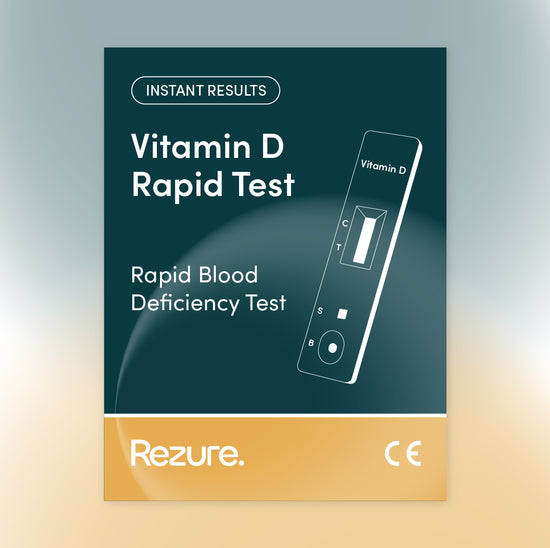
Low vitamin D can contribute to muscle weakness, bone pain and low energy. Older adults who spend little time outdoors may have a higher risk of deficiency. Rezure’s Vitamin D Rapid Home Test Kit checks vitamin D status, while its article on vitamin D levels gives more context.
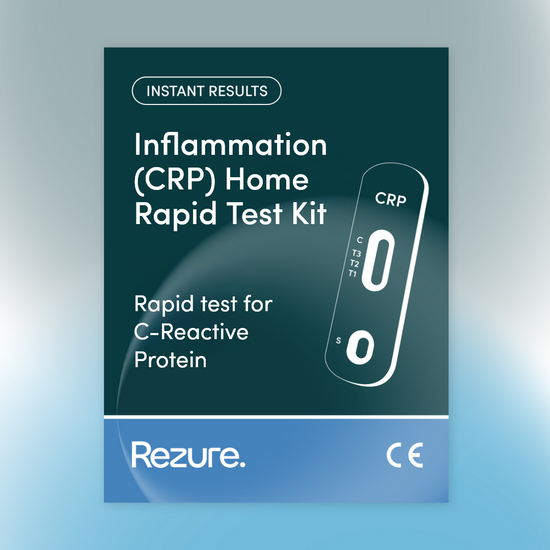
Inflammation, infection and some long-term conditions can also cause fatigue, aches and reduced appetite. The Inflammation (CRP) Rapid Home Test Kit checks for raised C-reactive protein. CRP cannot identify the cause, as the guide to a high CRP result makes clear.
Other possibilities include:
- Anaemia or low iron stores
- Poor sleep or sleep apnoea
- Medicine side effects
- Depression or anxiety
- Diabetes
- Heart, kidney or liver disease
This is why a symptom cluster should prompt investigation, not self-diagnosis.
How is an underactive thyroid checked after 60?
A GP will usually start with a blood test for thyroid-stimulating hormone, or TSH. If TSH is above the laboratory reference range, NICE advises measuring free thyroxine, known as FT4, in the same sample.

The result needs age, symptoms, medical history and medicines around it. TSH can rise with age, and mild elevation with normal FT4 is called subclinical hypothyroidism. Treatment is not automatic. NICE uses repeat results, symptoms, antibody status and TSH level when deciding what happens next, with added caution in people aged 65 and over.
For a plain-English explanation of the markers, read what TSH and T4 show.
Can a home thyroid test help start the conversation?
A home test can provide a first indication that TSH is raised. Rezure’s Home Underactive Thyroid (TSH) Rapid Test Kit uses a finger-prick blood sample and gives a positive result when TSH is above the test threshold of 5 μIU/mL. A positive result is not a diagnosis. It is a reason to ask a GP about lab-based TSH and FT4 testing.
A negative result doesn’t rule out every thyroid problem or explain ongoing symptoms. Seek medical advice if you still feel unwell.
Before speaking to your GP, note:
- When each symptom began
- Which changes affect normal tasks
- Any thyroid or autoimmune family history
- Current medicines and supplements
- Your home test result, if you used one
The aim is not to prove that age has nothing to do with how you feel. It is to stop age becoming the answer before anyone has checked. That cardigan by the sofa may simply be comfortable. If it now comes with months of exhaustion, constipation and slower thinking, the body’s thermostat deserves a closer look.