Does poor sleep raise cortisol? The stress-insomnia cycle explained

It is 3:17 am. You check the clock, calculate how little sleep remains, then feel your body become even more awake. The next day runs on caffeine and effort. By bedtime, you are exhausted, yet your mind starts another night shift.
That pattern shows how cortisol and sleep can affect each other. Poor sleep may disturb the normal cortisol sleep cycle. Stress and night-time arousal can then make sleep lighter, shorter or harder to reach. The clock is not the cause, though it often reveals the cycle in real time.
Does poor sleep raise cortisol?
Yes, poor sleep can raise or shift cortisol, particularly later in the day, though the effect varies.
Cortisol is part of the HPA axis, the system that manages the body’s stress response. A sleep-loss experiment found evening cortisol rose after partial and total sleep deprivation. A newer review of acute sleep loss found no consistent overall rise across 21 studies.
One bad night does not affect everyone in the same way. Timing, existing stress and the testing method matter. The link looks clearer with persistent insomnia. A meta-analysis of insomnia found moderately higher cortisol among people with chronic insomnia.

Rezure’s guide to high cortisol levels explains why a brief response to pressure differs from a sustained change in the daily pattern.
What should cortisol do during the sleep cycle?
Cortisol should usually fall through the evening, stay low around the first part of the night, then rise towards morning.
A sleep and cortisol review describes a low-cortisol period lasting roughly four to six hours around the daily low point. Deeper sleep early in the night also restrains cortisol release. Output then climbs before waking, followed by a further rise after getting up.
High cortisol at night therefore means something different from high cortisol in the morning. Cortisol is less like a fixed score and more like a clock signal. The reading only makes sense alongside the time.
What does high cortisol at night feel like?
High night-time arousal can feel like tiredness without sleepiness. You want rest, yet your body behaves as though something still needs attention.
Possible signs include:
-
Racing thoughts after the light goes out
-
Feeling wired, tense or unusually alert
-
Waking frequently and sleeping lightly
-
Waking too early with immediate worry
-
Feeling drained by day, then alert at bedtime
Researchers call this hyperarousal. A major review of hyperarousal supports it as a central feature of insomnia.
These symptoms cannot confirm high cortisol. Anxiety, menopause, pain, alcohol, medicines and sleep apnoea can create similar nights. Rezure’s article on sleep deprivation effects covers the wider impact of repeatedly missing restorative sleep.
How does stress insomnia become a cycle?
Stress insomnia often starts with a real trigger, then carries on after the original pressure has eased.
A deadline, illness or relationship problem can activate the stress response. You sleep badly, worry about the consequences and monitor every sign of tiredness. Bed becomes linked with effort and frustration instead of sleep.
The next day may add more fuel:
-
Extra caffeine to compensate
-
A long nap that reduces sleep pressure
-
Less exercise and daylight
-
Working late to catch up
-
Going to bed early to force sleep
-
Checking the clock during each awakening
Now sleep itself feels like a test. The thought “I can’t sleep because of stress” creates fresh stress, keeping the body ready for action. Chronic insomnia may therefore need changes to thoughts and habits as well as relief from the original pressure.
Which sleep habits help calm the cortisol sleep cycle?
The best habits strengthen your body clock and reduce late-evening stimulation. They do not switch cortisol off. They give its rhythm clearer cues.

Try to:
-
Keep a regular wake-up time, even after a poor night
-
Get daylight early and dim lights in the evening
-
Exercise regularly, avoiding late intense sessions if they keep you alert
-
Stop caffeine early enough that it is not active near bedtime
-
Write down worries and tomorrow’s tasks before bed
-
Use a quiet wind-down routine without work or upsetting news
-
Leave the bed for a calm activity if you stay wide awake
The NHS sleep advice also recommends regular sleep times, relaxation and practical ways to manage worry. Alcohol may make you drowsy at first, yet it often fragments sleep later.
Read why you’re always tired if daytime exhaustion continues after improving your routine.
How can you tell stress-driven insomnia from another cause?
Stress-driven insomnia usually tracks closely with pressure. It may begin during a difficult period, come with racing thoughts and improve on calmer days. Other symptoms can point elsewhere.
Look beyond stress if you notice:
-
Hot flushes, night sweats or cycle changes
-
Loud snoring, gasping or morning headaches
-
Restless legs, pain, reflux or frequent urination
-
Medication changes, low mood or heavy alcohol use
-
Fatigue with feeling cold, constipation or weight gain
-
Muscle weakness, bone pain or low mood with tiredness
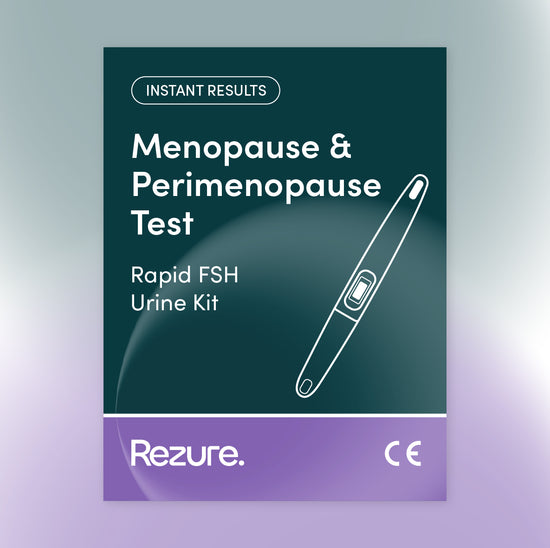
The NHS insomnia guidance lists stress as one cause among many. If sleep changes come with hot flushes, night sweats or changing periods, read about perimenopause symptoms. The Menopause & Perimenopause (FSH) Rapid Home Test can check raised FSH, though it does not explain every sleep problem.
The Underactive Thyroid (TSH) Rapid Home Test Kit may be relevant when low energy comes with feeling cold, constipation or unexplained weight gain. Rezure’s article on thyroid health and energy gives more detail.
Low vitamin D does not usually explain insomnia by itself, though fatigue, low mood and muscle symptoms can blur the picture. The Vitamin D Rapid Home Test Kit checks vitamin D status, while the guide to vitamin D levels adds context.
When can cortisol testing help explain insomnia?
Cortisol testing may help when a clinician suspects that the normal day-night rhythm is disrupted, especially when insomnia appears with other signs of cortisol excess.

Late-night saliva is useful because cortisol should be low then. It is used clinically when screening for Cushing’s syndrome, though one abnormal result is not a diagnosis. The Endocrine Society notes that late-night salivary cortisol is sensitive, yet a single raised result can have poor positive predictive value.
Testing is most useful when:
-
The sample time is recorded
-
Illness, exercise, shift work and steroid medicines are considered
-
Symptoms support the reason for testing
-
A qualified professional interprets the result
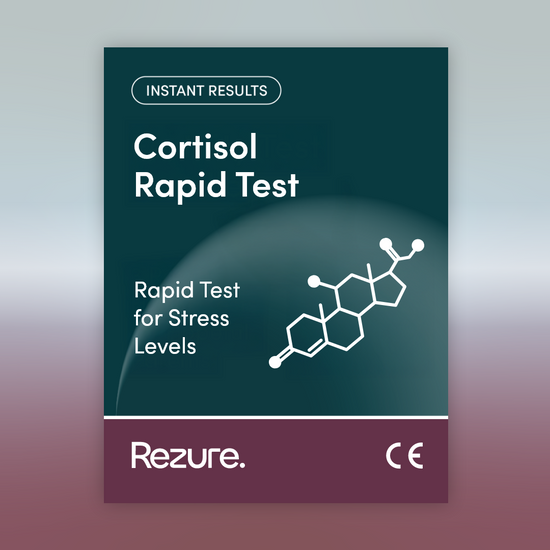
The Stress Hormone (Cortisol) Rapid Test Kit Rezure sells uses a saliva sample and is intended for professional use only. It may add evidence rather than provide a stand-alone explanation for stress insomnia. Cortisol can be part of the cause, a result of poor sleep, or one link in a larger chain.
When should sleep problems be checked by a doctor?
Speak to a GP if insomnia has lasted for months, affects daily life or does not improve after changing your sleep habits. Seek help sooner if you wake gasping, feel unsafe driving, have severe mood symptoms or develop unexplained physical changes.
At 3:17 am, cortisol can feel like the obvious culprit. Sometimes it is part of the problem. Often, the better question is what keeps resetting the alarm: stress, learned alertness, disrupted hormones, another health issue, or several factors together.
Once you identify the pattern, the clock becomes information rather than an opponent.