Spiked and stressed? What high cortisol levels mean for your health

Cortisol gets called ‘the stress hormone’ so often that ‘spiked cortisol’ has become shorthand for stress itself. Cortisol is much more than that, though.
Cortisol helps regulate things like your sleep-wake cycle, blood pressure, blood sugar, inflammation and how your body uses energy. In healthy people, it follows a daily rhythm, rising towards the morning and falling through the day into the night. That pattern matters as much as the level itself.
That is why high cortisol is easy to oversimplify. A temporary rise is often normal. Your body pushes cortisol up during acute stress, infection, injury and exercise because it is trying to help you cope.
The bigger question is what happens when levels stay high for too long, or when the usual day-night rhythm starts to break down.
What is cortisol, and what does it actually do?
Cortisol is a steroid hormone made by the adrenal glands under the direction of the brain’s hypothalamus and pituitary. It helps your body react to challenge, keep blood pressure stable, control inflammation in the body, and maintain blood glucose between meals. That is useful, and necessary.
Without cortisol, the body cannot respond properly to stress or illness.
In day-to-day life, cortisol is part of a broader hormone system. It does not work in isolation. For example, thyroid-stimulating hormone and follicle-stimulating hormone also operate within tightly regulated feedback loops, and changes in one hormone system can affect how clinicians interpret the other.
That is one reason hormone testing works best when it is read alongside symptoms, timing and medical history, not in a vacuum.
A normal cortisol response can help you:
-
Wake up and feel alert
-
Mobilise glucose for energy
-
Maintain blood pressure
-
Adjust immune activity during short-term stress
Those effects are adaptive in the short run. Trouble starts when “short term” turns into a pattern.
What causes cortisol to spike?

Cortisol can rise for both ordinary and serious reasons. That distinction matters. A spike after a poor night’s sleep, an intense workout or an acute illness is not the same thing as sustained cortisol excess from steroid treatment or Cushing’s syndrome.
Common triggers for short-term rises include:
-
Psychological stress
-
Infection, injury or surgery
-
Vigorous physical activity
-
Sleep loss or disrupted sleep
-
Sampling at the wrong time of day
More concerning causes include:
-
Long-term use of glucocorticoid medicines such as prednisolone or hydrocortisone
-
A pituitary or adrenal problem driving excess cortisol production
-
Loss of the normal nighttime drop in cortisol, which is important in screening for Cushing’s syndrome
The most common cause of clinically significant cortisol excess is prolonged treatment with steroid medicines. Endogenous causes, where the body itself makes too much cortisol, are much less common.
This is also why timing and preparation matter with saliva samples. Cortisol is not a static hormone. Levels are highest around waking and lowest at night, and saliva testing can help show if that pattern has been lost.
What does high cortisol feel like in the short term?
Short-term high cortisol can feel like your body is stuck in “go” mode. You may feel more alert, restless or wired. Heart rate and blood pressure may rise. Blood sugar can increase. Digestion can slow. Sleep can become lighter or harder to maintain.
That does not mean every stressful week produces a dangerous hormone state. It means cortisol is part of the body’s rapid-response kit. In the short term, that can be useful. In the wrong setting, or repeated too often, it becomes costly.
People often notice short-term effects such as:
-
Trouble winding down at night
-
Feeling tense or irritable
-
A strong morning surge followed by an afternoon slump
-
Feeling hungry, shaky or drained after stress
These symptoms are non-specific. They can overlap with sleep problems, anxiety, medication effects and other hormonal issues. That is one reason cortisol should not be treated as a catch-all explanation for feeling off.
What happens if cortisol stays high for too long?
Prolonged cortisol excess has real health consequences.
In established hypercortisolism, clinicians see higher rates of hypertension, insulin resistance, elevated blood glucose, central weight gain, muscle weakness, bone loss, and increased risk of infection. Cardiovascular disease is a major source of illness in Cushing’s syndrome.
Long-term excess can affect several systems at once:
-
Metabolism: higher glucose, insulin resistance, increased risk of diabetes
-
Cardiovascular health: hypertension and increased cardiovascular risk
-
Musculoskeletal health: muscle wasting, osteopenia and osteoporosis
-
Immune function: poorer immune regulation and greater infection risk
-
Mental health: low mood, anxiety, irritability and cognitive strain
It can also alter body composition in a very particular way, with more fat around the trunk and thinner limbs, along with skin changes such as easy bruising and wide purple stretch marks in more marked cases.
These patterns are far more informative than vague claims about “stress belly” or “adrenal burnout”.
The key point is simple: persistent cortisol excess is not just about feeling stressed. It is about measurable strain on multiple organs over time.

Can stress alone cause dangerously high cortisol?
Sometimes, though not in the way social media usually suggests. Chronic psychological stress can contribute to cortisol dysregulation and has been linked with higher cardiometabolic risk.
At the same time, true pathological hypercortisolism is relatively rare and usually needs formal endocrine investigation.
That means two things can be true at once: Chronic stress can disturb normal cortisol patterns and harm health, and most people with demanding lives do not have Cushing’s syndrome
This is where clinical judgement matters. A person with persistent weight gain around the middle, thin skin, easy bruising, muscle weakness, new hypertension or new diabetes may need a different level of attention from someone who is mainly dealing with poor sleep and a stressful month at work.
When should high cortisol be taken seriously?
High cortisol deserves closer attention when symptoms are progressive, physical signs are distinctive, or the result does not fit the situation. It also matters when the person is using steroid medicines, because these are the leading cause of excess cortisol states.
Red flags include:
-
Unexplained high blood pressure
-
Rising blood sugar or diabetes
-
Easy bruising or fragile skin
-
Muscle weakness
-
Bone loss or fractures
-
Marked disruption of the usual day-night cortisol rhythm
Guidelines for suspected Cushing’s syndrome include late-night salivary cortisol among the recommended first-line screening approaches, precisely because night-time cortisol should normally be low.
Why does saliva testing matter with cortisol?
 Saliva offers a practical window into cortisol without venepuncture, and it is especially relevant where timing matters. Endocrine and NHS sources use salivary cortisol, particularly late-night testing, as part of screening for excess cortisol because it helps show if the normal daily rhythm has been lost.
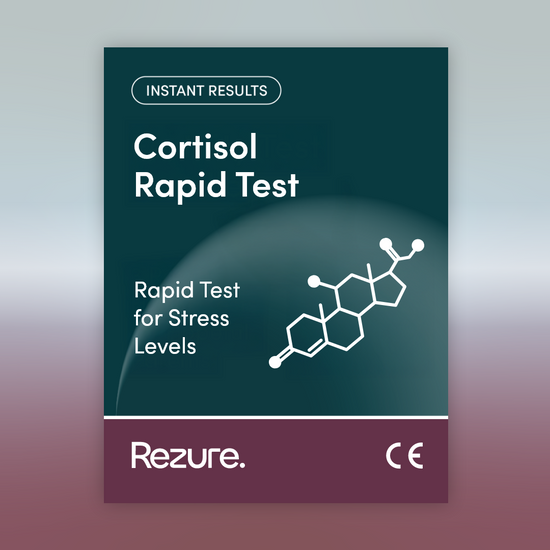
That does not make any single saliva result a diagnosis. It makes it a useful piece of evidence. The Stress Hormone (Cortisol) Rapid Test Kit we sell is positioned for professional use, so its value lies in quick screening and interpretation by trained personnel, not casual self-diagnosis.
The reality of high cortisol is less dramatic than the internet often makes it sound, and more serious when it is genuine. Cortisol is meant to rise and fall. It helps you respond to life. It should not stay high without reason, and it should not ignore the clock.
When cortisol remains elevated, or its rhythm starts to flatten, the effects can reach sleep, mood, weight, blood pressure, blood sugar, bones and muscle.
That is why timing, symptoms and clinical context matter more than hormone chatter.