Type 2 diabetes symptoms: The early signs your body gives you before diagnosis

It may begin with small changes in an ordinary week. You refill your water bottle twice before lunch. You wake to use the loo. A small cut takes longer than expected to settle. Each change has several possible explanations, so it is easy to treat them as separate annoyances.
Type 2 diabetes symptoms often emerge in this piecemeal way. The condition usually develops over years, and some people have no clear symptoms. One tired afternoon means little. Several changes forming a pattern deserve closer attention.
What are the first signs of type 2 diabetes?
The most common early signs are increased thirst, frequent urination, tiredness, blurred vision, unexplained weight loss and wounds that heal slowly. Recurrent genital thrush or other infections can also occur.
The NHS symptom guide lists:
- Feeling thirsty much of the time
- Urinating more often, especially at night
- Feeling unusually tired
- Losing weight without trying
- Having blurred vision
- Finding that cuts heal slowly
- Getting repeated thrush or itching
One symptom does not confirm diabetes. Thirst can follow exercise, tiredness has many causes, and urinary changes may point to an infection. A cluster that persists is more informative, particularly if you have known risk factors.
If tiredness is the main change, Rezure’s guide to persistent fatigue covers other common causes, including iron deficiency, thyroid problems and poor sleep.
Why do these symptoms happen so gradually?
Type 2 diabetes develops when the body becomes resistant to insulin or cannot make enough insulin to keep blood glucose within a healthy range. At first, the pancreas may compensate by producing more. Blood glucose can rise in small steps while symptoms stay mild.
Excess glucose makes the kidneys work harder. When they cannot reabsorb all of it, some passes into urine and draws water with it. You urinate more, lose fluid and become thirsty. High blood glucose can also leave cells short of usable energy, which contributes to fatigue. Fluid changes may blur vision, while effects on circulation and immune function can slow wound healing. Diabetes UK explains these links.

Because the shift is slow, people adapt. They drink more, rest more or update their glasses. An ONS analysis of Health Survey for England data from 2013 to 2019 estimated that about 30% of adults with type 2 diabetes in England were undiagnosed, around one million people.
Frequent urination can also have other causes, including urinary tract infections. Rezure’s guide to urine markers explains what glucose, protein, blood, nitrites and white blood cells may indicate.
What are the less obvious signs of type 2 diabetes?
Less obvious signs can include darkened skin patches, tingling or numbness in the feet, gum problems and repeated infections. None is specific to diabetes, though each can add to the wider picture.
- Darkened skin patches: Dark, thick or velvety skin on the neck, armpits or groin may be acanthosis nigricans. It can be linked to insulin resistance and type 2 diabetes, although the NHS lists other causes.
- Tingling feet: Persistently raised glucose can damage nerves over time. Tingling, burning or reduced sensation may appear before diagnosis because type 2 diabetes can remain unrecognised for years. Foot symptoms also have many other causes.
- Gum problems: Bleeding, swollen or tender gums, persistent bad breath and loose teeth can signal gum disease. Diabetes raises the risk, while gum inflammation can make blood glucose harder to manage. See the Diabetes UK guidance.
- Recurrent infections: Glucose in urine and saliva can help yeast and some bacteria grow. Repeated thrush deserves attention, particularly alongside thirst or frequent urination. Rezure’s guide to thrush and BV may help you distinguish common vaginal symptoms.
Who has the highest risk of type 2 diabetes?
Risk is higher if type 2 diabetes runs in your family, you are older, you live with overweight or obesity, or you come from certain ethnic backgrounds. High blood pressure and low activity levels also raise risk.
The NHS risk guidance advises particular attention if you:
- Are over 40 and white
- Are over 25 and South Asian, Chinese, Black African or Black Caribbean
- Have a parent, brother or sister with type 2 diabetes
- Live with overweight or obesity
- Have high blood pressure
- Are not physically active
These are risk factors, not entry requirements. Younger and slimmer people can develop type 2 diabetes too. The absence of symptoms does not rule it out either. Some people first learn they have diabetes through a routine blood test or an investigation for another problem.
Can a home urine test detect diabetes before diagnosis?
A home urine test can detect glucose or ketones that may prompt further investigation, but it cannot diagnose diabetes or rule it out. A GP or diabetes service uses blood tests to confirm the diagnosis.
When blood glucose rises high enough, some may spill into the urine. A positive result can flag a reason to arrange a blood test before a formal diagnosis has been made. A negative result does not prove that your blood glucose is normal.

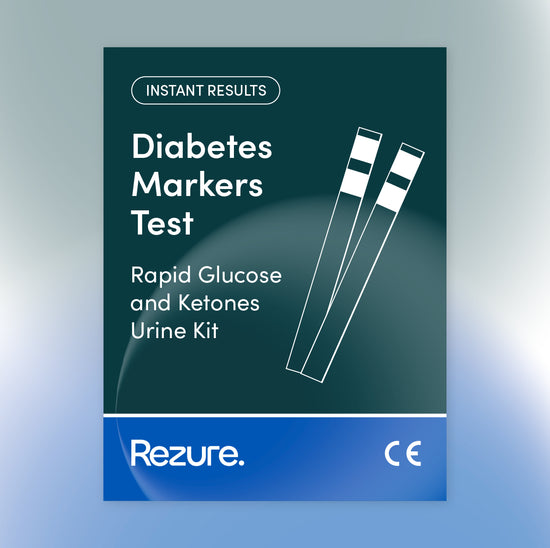
A Diabetes Markers Indicator Home Test Kit checks urine for glucose and ketones, alongside eight other markers. Treat it as an initial indicator, not an answer. Rezure’s article on home diabetes testing explains the limits in more detail.
Ketones form when the body uses fat for energy because it cannot access enough glucose. Small amounts may have non-diabetes causes, including fasting or a very low-carbohydrate diet.
Higher readings alongside illness or diabetes symptoms need medical advice. Read more about why ketones matter.
What other health checks may be relevant?
Type 2 diabetes can affect the heart, blood vessels and kidneys over time. Home tests cannot replace clinical checks, though they may give you a reason to speak to your GP.
- Total Cholesterol Rapid Home Blood Test Kit provides an initial total cholesterol reading. You can read about cholesterol numbers.
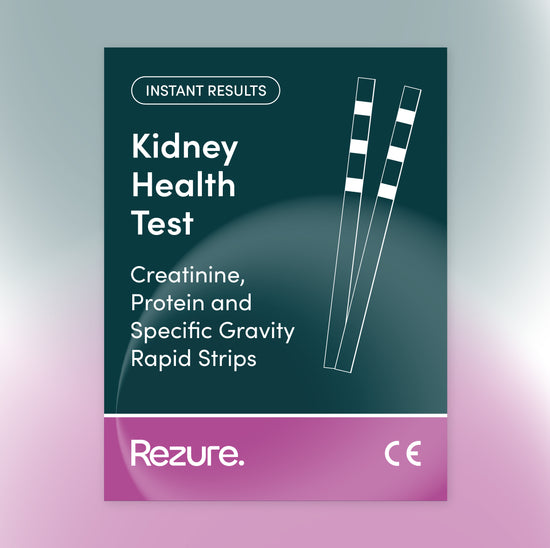
- Kidney Health Rapid Home Test checks urine markers linked to kidney health. You can view our guide to protein in urine explains what an abnormal result may mean.
- Home Urinary Health Dipstick Test Strips – 10 Markers check glucose, protein, blood, nitrites and leukocytes, or white blood cells, among other markers.
When should you speak to your GP?
Contact your GP if you have persistent signs of diabetes, several symptoms appearing together, or a urine test that shows glucose or unexpected ketones. Ask sooner if you have a strong family history or belong to a higher-risk group.
A blood test is the next step. It can show if you have diabetes, prediabetes or another explanation for your symptoms.
Return to those small changes in the ordinary week. One may mean little. Several, repeated over time, form a pattern worth acting on. You do not need to diagnose yourself. You only need to notice when your body has stopped behaving as usual and take that evidence to your GP.