Can prostatitis raise PSA levels?

A raised PSA result can feel like a warning light on the dashboard. It tells you something needs checking. It does not tell you the cause on its own.
That distinction matters with prostatitis. Inflammation or infection in the prostate can push PSA levels up, sometimes at the exact moment you already feel sore, tired or worried. The result may be real, but the meaning needs context.
This guide focuses on one question: Can prostatitis raise PSA levels? For a wider guide to urinary symptoms, risk factors, and testing, read our post on prostate health signs and when to test. For a broader look at the ranges of results, see what PSA levels can mean.
Can prostatitis raise PSA levels?
Yes. Prostatitis can raise PSA levels because inflammation or infection can irritate the prostate and increase the amount of PSA that enters the blood.
PSA stands for prostate-specific antigen. It is a protein made by cells in the prostate. A small amount normally appears in the blood. When the prostate is inflamed, infected, enlarged or irritated, PSA may rise.
This is one reason a raised PSA does not automatically mean cancer. Cancer Research UK explains that raised PSA can come from age, benign prostate enlargement, infection, ejaculation, or exercise. Prostate Cancer UK also lists prostatitis as one of the prostate problems that can raise PSA.
So the warning light matters. You should not ignore it. You also should not treat it as a diagnosis by itself.
What is prostatitis?
Prostatitis means inflammation of the prostate. It may be linked to infection, although long-term prostatitis does not always have a clear bacterial cause.
The prostate is a small gland below the bladder. It surrounds the tube that carries urine out of the body. When it becomes inflamed, the symptoms often show up in the pelvis, urinary system, or sexual function.
The NHS describes prostatitis as inflammation of the prostate and says it can be serious enough to need urgent medical help in some cases.
Common forms include:
-
Acute bacterial prostatitis, which can come on quickly and make you feel unwell.
-
Chronic bacterial prostatitis, where bacterial infection keeps coming back or persists.
-
Chronic prostatitis, where symptoms last for 3 months or longer.
-
Nonbacterial prostatitis, where symptoms occur without bacteria found on standard tests.
For most people searching online, the key point is simpler than the labels. Prostatitis can cause real pain and urinary symptoms. It can also affect PSA.
What are prostatitis symptoms?
Prostatitis symptoms often include pelvic pain, painful urination, and pain after ejaculation. Some people also get fever, chills, or flu-like symptoms.
The NHS list of prostatitis symptoms includes pain when peeing, difficulty peeing, needing to pee more often, pain in the penis, scrotum, testicles, or bottom, pain when ejaculating, and a high temperature.

You might notice:
-
Burning, stinging or pain when you pee.
-
Needing to pee more often than usual.
-
Difficulty starting to pee or straining.
-
Pelvic pain, groin pain or lower tummy pain.
-
Pain in the penis, testicles, scrotum or rectal area.
-
Pain during or after ejaculation.
-
Fever, chills, aches or flu-like symptoms.
-
Blood in urine or semen.
If you cannot pass urine, feel very unwell, become confused, or if your symptoms get worse after starting antibiotics, seek urgent medical help. That is not a situation to manage with home testing.
Why does prostatitis make a PSA result harder to read?
Prostatitis makes PSA harder to interpret because it can temporarily raise PSA.
The number may still be accurate as a measurement. The problem is interpretation. A raised PSA during or soon after inflammation may not reflect your usual baseline.
Several things can affect PSA, including:
-
Prostatitis or a urinary infection.
-
Benign prostate enlargement.
-
Recent ejaculation.
-
Vigorous exercise.
-
Cycling.
-
Recent anal sex or prostate stimulation.
-
Recent prostate, bladder or urethral procedures.
-
Some medicines, including finasteride and dutasteride.
The NHS advice on preparing for a PSA test says to avoid ejaculation, cycling, anal sex, and heavy exercise for 48 hours before testing, because these can increase PSA and make the test less accurate.
This is why timing matters. A PSA test taken during pelvic pain, burning urine, or fever may create more confusion than clarity.
How long should you wait after prostatitis before testing PSA?
You should usually wait until infection or inflammation has settled before testing PSA.
Prostate Cancer UK advises waiting around 6 weeks after a urine infection before having a PSA test. Cancer Research UK also advises delaying PSA testing if there is an active UTI or prostatitis, with a wait of at least 6 weeks.
The NHS gives similar practical advice for a urine infection, saying you should wait 4 to 6 weeks after the infection has cleared before having a PSA test.

That can feel annoying when you want an answer. It is still a sensible delay. Testing too soon can give you a raised result that reflects recent inflammation rather than your usual PSA level.
Before testing, it is also worth avoiding:
-
Ejaculation for 48 hours.
-
Cycling for 48 hours.
-
Heavy exercise for 48 hours.
-
Testing while you have clear UTI or prostatitis symptoms.
-
Testing soon after prostate or bladder procedures unless a doctor tells you to.
If you have already tested and your PSA is high, don’t assume the worst. Speak to a GP and explain the symptoms and timing.
Can antibiotics treat prostatitis?
Yes, antibiotics can treat bacterial prostatitis. Symptoms may improve within a couple of weeks, although they can take longer to settle fully.
The guidance on prostatitis treatment says that prostatitis is treated with antibiotics and that people usually feel better within 2 weeks of starting treatment. It also says it may take several weeks for all symptoms to improve.
This fits the lived experience for many people. The fever or burning may ease first. Pelvic discomfort, pain after ejaculation, or bladder irritation can linger.
There is one important caveat. Antibiotics are not a shortcut for lowering PSA if there is no sign of infection. The aim is to treat the cause, not chase the number.
A GP may check urine, ask about symptoms, examine you, prescribe antibiotics where appropriate, or repeat PSA later. If PSA stays raised after symptoms settle, they may suggest further checks.
What is chronic prostatitis?
Chronic prostatitis means symptoms have lasted for 3 months or longer.
NICE describes chronic prostatitis as pain for at least 3 months, often linked with lower urinary tract symptoms. Chronic prostatitis can be bacterial, though many cases are not clearly bacterial.
Nonbacterial prostatitis can be frustrating because the pain is real, but tests may not show a simple infection. People may have prostate pain, pelvic pain, urinary symptoms, sexual discomfort or flares that come and go.
Treatment may include antibiotics in some cases. It may also involve pain relief, medicines for urinary symptoms, physiotherapy or support for how chronic pain affects daily life. Chronic prostatitis treatment may include antibiotics, other medications, physiotherapy, CBT, or counselling.
This is not the same as being told nothing is wrong. It means the cause can be harder to pin down.
What should you tell your GP after a high PSA result?
Tell your GP about your symptoms, timing and anything that could have affected your PSA.

A raised PSA result has more meaning when it sits next to the right context. Your GP will want the number, but the story around it matters too.
Share:
-
When pelvic pain or urinary symptoms started.
-
Any pain when peeing.
-
Any fever, chills or flu-like symptoms.
-
Any pain after ejaculation.
-
Recent UTI symptoms.
-
Recent ejaculation, cycling or heavy exercise before testing.
-
Any antibiotics you have taken.
-
Any past PSA results.
-
Any medicines that may affect PSA.
-
Family history of prostate cancer, if relevant.
If PSA is raised, you may be offered another PSA test to check if levels are still high. If they remain high, your GP may discuss referral for further tests.
Where does a home PSA test fit?
A home PSA test can help you check for an elevated PSA, but it cannot diagnose prostatitis or explain the cause of an elevated result.
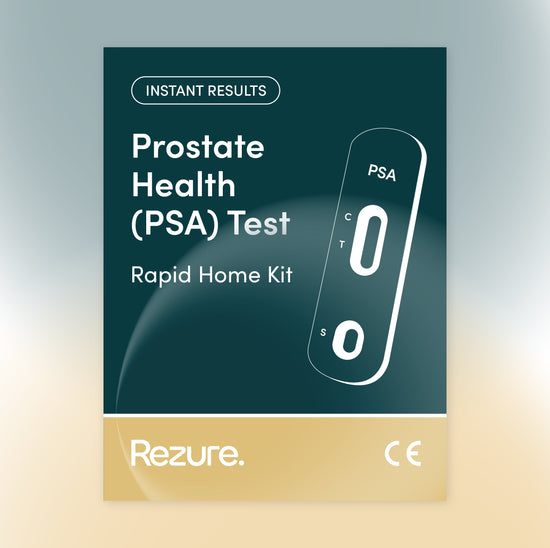
A Prostate Health (PSA) Rapid Home Test Kit uses a finger-prick blood sample and gives a screening result in minutes. The product page explains that higher PSA levels can have several causes, including benign prostate enlargement, prostatitis, urinary infection, recent ejaculation, some exercise and prostate cancer.
That makes it a useful first check for some people. It also means you need to use it at the right time.
A home PSA test may be less useful if you currently have:
-
Burning or pain when peeing.
-
Fever or flu-like symptoms.
-
Pelvic pain or prostate pain.
-
A recent urine infection.
-
Recent prostatitis.
-
Recent ejaculation or cycling.
-
A previous raised PSA that has not been discussed with a GP.
In those cases, the better next step may be medical advice, urine testing, treatment, or waiting before testing PSA again.
What should you remember about prostatitis and PSA?
Prostatitis can raise PSA levels. That does not mean you should ignore a raised result. It means you should read it with timing and symptoms in mind.

If the prostate is inflamed or infected, PSA may rise temporarily. Waiting until prostatitis or a urine infection has settled can make the result easier to interpret. If symptoms are severe, speak to a GP rather than waiting to test at home.
Think back to the dashboard light. You don’t rip the engine apart because one light came on. You also don’t cover the light with tape. You check what caused it.
That is the right approach with prostatitis and PSA: take the signal seriously, add context, and follow up properly.