MDMA misuse & testing: Signs, risks, detection windows & test results

MDMA has become closely linked with clubs, festivals, and long nights out because of the way it can affect mood, energy, and social connection. MDMA is a stimulant drug, taken as pills or MDMA powder, that may increase feelings of empathy. That helps explain its appeal. It also explains why the risks can be easy to minimise, especially when someone sees it as part of a night out rather than a serious drug.
MDMA use does not always raise concern in the moment. It may come up afterwards, when someone wants to understand recent drug use more clearly, check a workplace or safeguarding concern, or make sense of behaviour that seems out of character. In that setting, MDMA testing can offer useful information and help guide the next step.
That answer can be useful. It is not the whole picture. A rapid urine test cannot prove dose, timing, intent or impairment. To use the result effectively, you need to understand what MDMA is, why people use it, what risks it carries, and what a urine drug test can and cannot show.
What is MDMA, and is it the same as ecstasy?
MDMA is the shortened name for 3,4-methylenedioxymethamphetamine. It is a synthetic psychoactive drug, usually swallowed, which, among other effects, can increase feelings of empathy and euphoria.
The drug can appear as powder or crystals, and is the active ingredient expected in ecstasy pills. In the UK, MDMA is a Class A drug under the Misuse of Drugs Act 1971.
People use different names depending on the setting and form, including:
-
MDMA
-
Ecstasy
-
E
-
Pills
-
MD
-
XTC
-
Mandy
-
Molly
The name does not tell you what is in a tablet, powder or crystal. The NHS warns that pills, powders and liquids sold as MDMA may contain something else entirely, and some ecstasy pills can contain unpredictably small or large amounts of MDMA.
That is one reason testing needs care. A urine test checks for signs of recent use in the body. It does not test the drug itself.
How common is ecstasy use in the UK?
Ecstasy use is not the most common form of drug use, yet it remains relevant in public health, youth, workplace and safeguarding settings.
In England and Wales, in the year ending March 2025, around 1.2% of people aged 16 to 59 and 1.9% of people aged 16 to 24 reported taking ecstasy in the previous 12 months.
That makes it one of the most common recreational drugs used in the UK. Just because it’s common, however, does not mean it’s safe.
What are the effects and risks of MDMA?
MDMA can make someone feel alert, energised, emotional, anxious or panicky. A faster heart rate, higher body temperature, confusion, overheating, and dehydration are common effects or risks of taking MDMA. Drinking too much water can be dangerous.
Short-term physical signs may include:
-
Dilated pupils
-
Jaw clenching
-
Sweating or overheating
-
Faster heart rate
-
Restlessness
-
Confusion or anxiety
-
Poor sleep after use
These signs are not proof of MDMA use. They can overlap with stress, alcohol, lack of sleep, medication, illness or other drug use.
Repeated MDMA use also carries mood-related concerns. Repeated use can deplete serotonin, a hormone linked with mood and well-being, and may increase the risk of anxiety and depression over time. People should also avoid taking MDMA with other drugs, including alcohol and some medicines.
What does an MDMA urine test check for?

An MDMA urine test checks a urine sample for MDMA above a set cut-off.
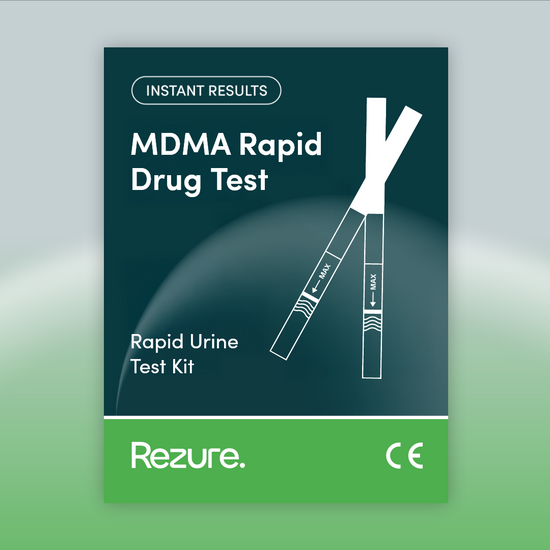
The MDMA (Ecstasy) Rapid Urine Drug Test Kit Rezure sells is a qualitative urine screening test. That means it gives a positive or negative visual result, rather than a measured concentration. The test uses a 500 ng/mL cut-off and gives results in 5 minutes.
A qualitative result answers a narrow question:
-
Positive: MDMA was detected at or above the cut-off.
-
Negative: MDMA was not detected above the cut-off at the time of testing.
-
Invalid: the control line did not appear, so the test should be repeated.
This kind of rapid drug test can be useful for personal checks, workplace drug testing, professional screening and safeguarding discussions. It should not be treated as a full clinical assessment.
How long does MDMA stay in urine?
MDMA is often detectable in urine for a few days, though detection windows vary. The urine detection window is typically around 3 to 5 days for MDMA. Detection windows are estimates, though, not fixed rules.
Several factors can affect an MDMA detection window:
-
Amount taken
-
Frequency of use
-
Time between use and testing
-
Fluid intake
-
Metabolism
-
Urine concentration
-
Test cut-off level
This is why “how long does MDMA stay in urine?” has no single answer. A negative MDMA urine test does not prove that no use occurred. It means the test did not detect MDMA above its threshold in that sample at that moment.
What does a positive MDMA urine test mean?
A positive MDMA urine test means MDMA was detected at or above the test cut-off. It does not show the exact amount, how long ago it was taken, or how impaired someone was at the time of testing.

Urine testing works well for screening because collection is non-invasive and detection windows are often longer than those for blood. Qualitative testing may identify the presence of a drug for screening, exposure and adherence purposes, while quantitative testing may support more complex cases.
Immunoassay results should be treated as presumptive, with unexpected results confirmed using a definitive testing method.
Use lab confirmation when the result may affect:
-
Employment
-
Safeguarding
-
Legal action
-
Disciplinary decisions
-
Care planning
-
Formal records
For informal, first-stage screening, a rapid MDMA test can give fast information. For formal decisions, confirmation is the safer standard.
When should you use a single-drug test rather than a wider panel?
Use a single-drug test when the concern is specific. Use a wider panel when the substance is unknown or when mixed drug use is possible.
This matters with MDMA because ecstasy use can sit alongside other substances. Talk to Frank states that mixing drugs is risky, and NHS Inform advises against taking MDMA with alcohol or other drugs.
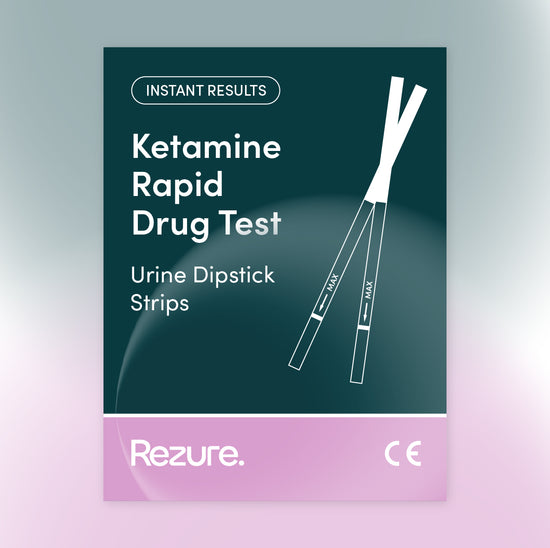
A specific MDMA screen may suit a direct concern about recent ecstasy use. In other cases, a broader drug screen may make more sense. For example, the Ketamine Rapid Urine Drug Test Kit checks for ketamine rather than MDMA.
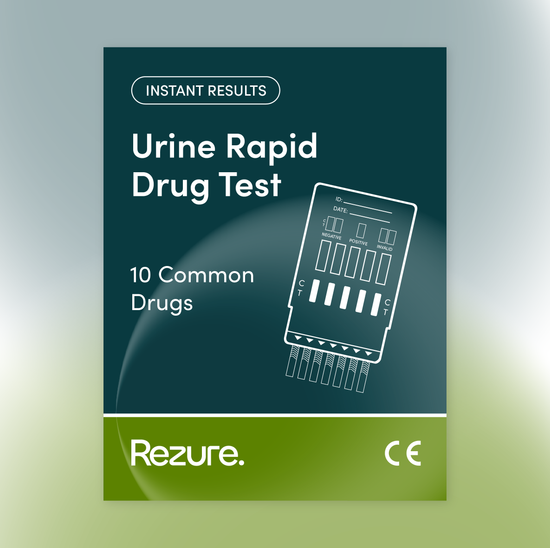
For a wider urine test, a Rapid Drug Test for 10 Common Drugs (Urine) screens for substances including amphetamines, benzodiazepines, buprenorphine, cocaine, ketamine, methadone, methamphetamine, morphine, opiates and THC.
Can MDMA testing tell you if someone is currently impaired?
No. A urine MDMA test cannot prove current impairment. It can show evidence of recent exposure above the test threshold.
That difference is easy to miss. Someone may test positive after the main effects have passed. Someone else may be affected by a substance before urine levels have reached the test threshold. Blood testing is more relevant in real-time acute settings, while urine is usually preferred for screening and exposure testing.
So the result needs context. Think of the person at the kitchen table from the start of this article. A positive result may help explain the concern. It should not become the whole story.
What should you remember before using an MDMA urine test?

An MDMA urine test is useful when you understand its limits. It can support a decision, open a conversation or guide next steps. It should not carry more weight than the result can support.
The main points are simple:
-
MDMA and ecstasy usually refer to the same active substance, though street products can vary.
-
Urine testing checks for recent exposure, not exact dose or impairment.
-
Detection windows are estimates.
-
A positive rapid test may need lab confirmation.
-
A negative result does not prove that no use occurred.
-
Wider testing may be more useful when the substance is unclear.
The person at the table still matters more than the strip. A result gives information. The next step should depend on the setting, the risk, and the need for confirmation.