Are cortisol detoxes real or effective? Stress isn't so simple

Cortisol detoxes usually start popping up in your feed when your body already feels like a phone stuck on low battery. You wake up tired, reach for coffee, push through the day, then lie awake when you should be switching off. At that point, the ads for a drink, supplement, or “reset” plan can sound tempting.
The problem is simple: cortisol is not a toxin.
Cortisol is a hormone your body needs. So the aim should not be to “detox” cortisol. The more useful question is what your cortisol pattern might be telling you.
What is a cortisol detox?
A cortisol detox is a wellness term, not a recognised medical treatment.
People use it to describe plans that claim to lower, remove or “reset” cortisol. These plans often package ordinary stress habits in more dramatic language.
Common examples include:
-
“Adrenal cocktails” made with fruit juice, coconut water and salt
-
Supplement plans for stress, fatigue or “adrenal support”
-
Strict caffeine, sugar or alcohol cuts
-
Morning routines promoted as hormone resets
-
Diet plans linked to bloating, tiredness or weight gain
Some of the habits may be reasonable. Better sleep, less alcohol and fewer late-night screens can help many people feel better. That does not mean cortisol has been flushed out of the body. It means your routine may be putting less pressure on your stress response.
Can you detox cortisol from your body?
No. You cannot detox cortisol in the way people usually mean it.
Cortisol is made by the adrenal glands, which sit above the kidneys. Your body releases cortisol through a controlled hormone system involving the brain, pituitary gland and adrenal glands. The liver and kidneys help process many substances in the body, yet cortisol is not waste waiting to be cleared like dirt from a filter.

A better way to think about cortisol is the low-battery warning on your phone. The warning is not the fault. It points to a demand on the system.
Trying to “detox” cortisol misses the point. The goal is to understand why your body may be under strain, especially if tiredness, sleep problems, mood changes or physical symptoms keep returning.
What does cortisol actually do?
Cortisol helps your body respond to stress, manage energy and maintain normal daily function.
It is often called the stress hormone, which makes it sound like something you want less of. That is too simple. Cortisol helps regulate:
-
Blood sugar
-
Metabolism
-
Blood pressure
-
Inflammation
-
Alertness
-
Sleep and wake timing
-
The body’s response to physical and mental stress
Your cortisol level is not meant to stay flat. It usually rises in the morning and falls later in the day. This rhythm helps you wake up, respond to demands and prepare for rest.
That is why a single cortisol result needs context. Time of day matters. Recent stress matters. Sleep, illness, medication and exercise can all shape the picture.
Why do cortisol detoxes sound convincing?
Cortisol detoxes sound convincing because the symptoms used to sell them are real.
People do not usually search for cortisol detoxes because they feel fine. They search because something feels off. The issue is that broad symptoms can have many causes.

Common symptoms linked online to “high cortisol” include:
-
Tiredness
-
Poor sleep
-
Feeling wired at night
-
Low mood or anxiety
-
Weight changes
-
Cravings
-
Brain fog
-
Feeling run down
Those symptoms deserve attention. They do not prove that cortisol is the cause.
This is where social media often jumps too quickly. It starts with a familiar problem, gives it a neat label, then sells a fix. Health rarely works that neatly. Fatigue can come from stress, low iron, thyroid issues, poor sleep, infection, medication, diet, depression, heavy alcohol use, overtraining or other causes.
The symptom is the clue, not the diagnosis.
Do adrenal cocktails lower cortisol?
There is no good evidence that adrenal cocktails lower cortisol.
Most adrenal cocktails contain ingredients such as orange juice, coconut water, salt and sometimes cream of tartar. They may provide fluid, sugar and electrolytes. For some people, that may feel like an energy lift. It does not prove the drink has repaired the adrenal glands or reduced cortisol.
There are also practical drawbacks. A sugary drink may not suit someone with diabetes or blood sugar concerns. Extra potassium or sodium may be a problem for some people with kidney disease, blood pressure issues or certain medication plans.
If you like the drink and it suits your diet, it may be harmless in moderation. The claim that it detoxes cortisol is the weak part.
Is adrenal fatigue a real diagnosis?
Adrenal fatigue is not accepted as a proven medical diagnosis.
The idea behind adrenal fatigue is that long-term stress “wears out” the adrenal glands, leaving you tired, foggy and dependent on caffeine. It is a simple story. It also risks sending people in the wrong direction.

There are real adrenal conditions. Addison’s disease involves too little cortisol. Cushing’s syndrome involves too much cortisol over time. These need proper medical assessment.
The concern with “adrenal fatigue” is that people may stop looking for the real cause of their symptoms. A vague label can delay useful help. If tiredness is persistent, new, severe or paired with other symptoms, it is better to investigate than to guess.
When can high cortisol be a medical issue?
High cortisol can be a medical issue when levels stay too high for too long.
One recognised condition is Cushing’s syndrome. The NHS describes it as a rare condition caused by too much cortisol in the body. It is more likely if someone has taken high-dose steroid medicines for a long time, though pituitary or adrenal gland problems can also cause it.
Possible symptoms can include:
-
Weight gain around the chest and tummy
-
A rounder face
-
Easy bruising
-
Stretch marks
-
Muscle weakness
-
Low sex drive
-
Mood changes
-
Irregular or stopped periods
-
Excess hair growth
These symptoms can come on gradually. They can also overlap with other health issues. That is why testing and clinical review matter.
What helps support a healthier cortisol pattern?
You cannot detox cortisol, but you can support a steadier stress rhythm.
Start with the basics that affect the body’s daily clock. They are less exciting than a detox plan, yet they make more sense.

Useful steps include:
-
Keep sleep and wake times as consistent as you can
-
Get daylight earlier in the day
-
Reduce caffeine later in the day
-
Eat regular meals if skipping food worsens stress or cravings
-
Avoid training hard every day without recovery
-
Reduce alcohol if it disrupts your sleep
-
Use simple downshifting habits before bed
-
Get medical advice for symptoms that do not settle
None of this means stress is your fault. Work, caring duties, grief, money pressure, pain and poor sleep can create a load that is hard to carry. The point is to reduce avoidable strain where you can and get help where you cannot.
Think of the low-battery phone again. You can close a few apps. You may also need to find out why the battery drains so fast in the first place.
Where does cortisol testing fit?
Cortisol testing can help when you need a clearer view of one hormone marker.
A cortisol test measures cortisol in a sample such as blood, urine or saliva. Because cortisol changes through the day, timing matters. In some cases, more than one sample may be needed to understand the pattern.
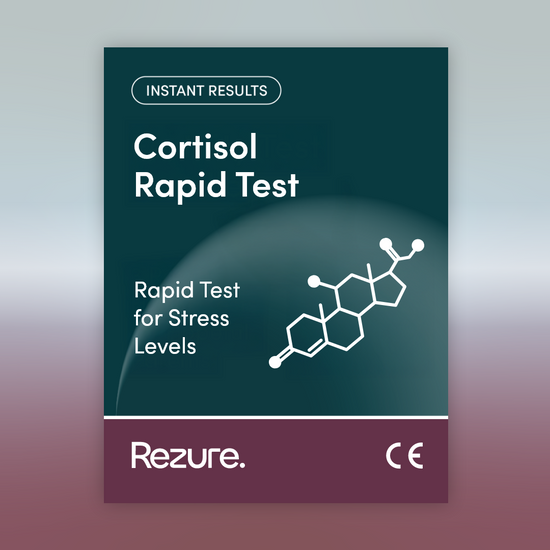
The Stress Hormone (Cortisol) Rapid Test Kit Rezure sells is a professional-use saliva test. It is designed to measure cortisol levels in oral fluid, with results read in 10 minutes.
Testing can be useful in the right setting. It does not make a detox real. A result can add information, especially when paired with symptoms, timing, medication history and clinical judgement.
What should you do instead of trying a cortisol detox?
Treat cortisol detox claims with caution, then focus on the problem you actually have.
If your main issue is stress, start with sleep, recovery, caffeine timing, alcohol and daily routine. If your symptoms are persistent or unusual, do not try to explain everything with cortisol.
A practical next step might be to track:
-
Sleep times and waking patterns
-
Caffeine and alcohol intake
-
Training load
-
Major stress periods
-
Symptoms and when they appear
-
Any medication changes
-
Test results, if testing is clinically useful
This gives you and a healthcare professional more to work with.
Cortisol detoxes promise a clean switch from depleted to restored. Bodies rarely work like that. If your internal battery feels stuck on red, the answer is not to drain the hormone out. It is to understand the load on the system, check what needs checking, and act on evidence rather than trend language.