Repeated UTIs after menopause: what you should know

A stinging sensation when you wee and needing to wee again soon after could be signs of cystitis, a urinary tract infection (UTI) that affects the bladder.
Repeated UTIs after menopause can happen because of low levels of the hormone oestrogen. Low oestrogen can make the tissues that line the vagina and urethra (the tube that carries wee out of your body) become sore and dry. This can cause an urgent need to wee and a stinging or burning sensation when you wee.
You may have both a UTI and sore, dry tissues.
It’s important to let your GP know if you still have soreness between UTIs, even if the urgent need to wee goes away with antibiotics. This will help your GP work out what’s causing your symptoms.
Getting help for repeated UTIs
UTIs count as recurrent if you’ve had:
- 2 or more UTIs in 6 months, or
- 3 or more UTIs in a year.
If you have symptoms of a UTI and either of the above applies, ask for an urgent GP appointment or ring NHS 111.
Speak to your GP if you think you have a UTI again after being treated for one. You do not need to wait until you’ve had a third UTI.
Also get urgent advice if you think you have a UTI and any of the following apply:
- You have a high or low temperature, shivers, lower tummy pain or pain in your back just below your ribs.
- You can see blood in your wee, even if it only happens once.
- Your symptoms get worse quickly or don’t start to improve within 48 hours of starting treatment or self-care.
- You’re aged 65 or over, have diabetes, have a weak immune system or use a catheter to help you empty your bladder.
If someone with a possible UTI becomes drowsy or confused or has problems speaking, call 999.
If you’ve noticed blood when you’ve had a wee but you’re not sure where it’s come from, let the person giving you advice know. Get advice from your GP if you have any vaginal bleeding after menopause, even if it’s just a small amount.

Why you’re more likely to get UTIs after menopause
The drop in oestrogen after menopause can mean the bacteria that live in your vagina change. Normally, ‘good’ bacteria help protect you from UTIs. After menopause there may be fewer of these bacteria, which means infection-causing bacteria can more easily grow.
These changes can start during perimenopause (when your periods become less regular before they stop).
Other things can cause repeated UTIs too, for example if your bladder does not always empty fully. Any wee left in your bladder can allow bacteria that cause UTIs to grow. Let your GP know if you often finish weeing thinking you need to wee again.
Menopause symptoms that can be mistaken for a UTI
Burning when you wee, urgently needing to wee, a dry vagina and pain when having sex can all be caused by changes that happen to your vagina and bladder during and after menopause. This is sometimes called genitourinary syndrome of menopause (GSM).
You can’t tell for certain from symptoms alone if you have menopause symptoms or a UTI. What you notice can help your GP decide what tests you may need.
| If you notice… | It may help to tell your GP because… |
|---|---|
| Your wee stings and you need to wee more often than usual | It can be a sign of a UTI if it’s new or different from what’s normal for you. Your GP may want to check a wee sample. |
| The area around your vagina stings even when you’re not weeing | This could be a sign of dryness or soreness caused by changes in menopause. You may also notice your vagina itches, feels dry or hurts when you have sex. Let your GP know if this stinging feeling does not go away between UTIs. |
| You get symptoms after having sex | Having sex can trigger a UTI. It can also make areas that are already dry and sore sting afterwards. Using a water-based lubricant (gel) may help with soreness during sex. There are also ways to help prevent UTIs that happen after having sex. |
Negative UTI test strip but still burning on passing urine
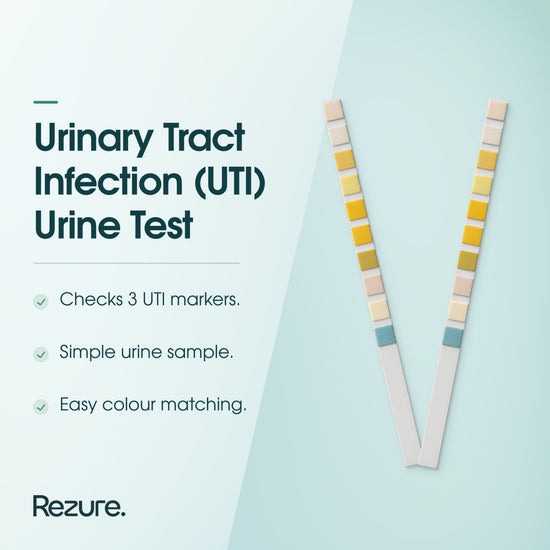
Test strips check your urine for things that might suggest a UTI, like white blood cells or nitrites (some bacteria turn chemicals in your urine into nitrites). Some UTIs won’t show up on a test strip. A positive result could be down to bacteria in your urine that aren’t causing your symptoms. This becomes more common from around age 65. A positive result won’t say which bacteria are present or which antibiotics are likely to work.

If your symptoms keep coming back, speak to your GP whatever the strip shows. If your urine test doesn’t show signs of infection but the burning continues, ask what else could be causing it. Your GP can examine the area around your vagina for soreness caused by menopausal changes. An overactive bladder can also cause an urgent need to wee.
How to collect a midstream urine sample
Your GP may ask for a sample to send for a urine culture. The lab checks which bacteria grow in your urine and which antibiotics are likely to work. To collect a midstream urine sample:
- Begin passing urine into the toilet.
- Without stopping, hold the sample pot in the stream and catch some urine in the pot.
- Finish passing urine into the toilet.
What if my symptoms come back after antibiotics?
You can get a UTI again after treatment. The bacteria that caused the original UTI may still be there, or you may have picked up a new infection after getting better.
Antibiotics can help with needing to go often and urgently if an infection is the cause. Irritation, soreness and dryness caused by menopause may need their own treatment.
Keep a note of:
- When your UTIs happen (a rough guide is fine) and any symptoms you had in between.
- Which antibiotics you’ve had and when, and what got better.
- Anything else you think might help your GP, like symptoms starting after sex.
Keep a copy of any urine culture results so you and your GP can see if there’s a pattern, like the same bacteria growing each time.
Ask about a referral to a specialist if your GP can’t figure out what’s causing your symptoms or your current treatment isn’t working.
Can vaginal oestrogen prevent UTIs?
After menopause, vaginal oestrogen can:
- Treat dryness and soreness.
- Reduce your chances of getting UTIs.
NICE says it’s worth considering vaginal oestrogen to prevent UTIs if other measures haven’t been effective or aren’t suitable for you.
Vaginal oestrogen comes as a low-dose cream, gel, tablet, ring or pessary. Very little gets into your bloodstream. It can take up to 3 months to work properly for menopausal symptoms.
It’s worth having a chat with your doctor if you’ve had breast cancer to discuss what treatment options might be right for you.
If you have symptoms of a UTI now, get advice about treatment. Vaginal oestrogen won’t treat a current infection.

Other ways to help prevent UTIs
- Make sure you’re drinking enough through the day so you’re passing urine regularly and giving yourself enough time to empty your bladder fully.
- Avoid perfumed washes if they’re making the area around your vagina sore. You could try a vaginal moisturiser to help with dryness between UTIs.
- Cranberry products might help some people prevent UTIs. There isn’t good evidence that cranberry juice or cystitis sachets help treat UTIs once you’ve got one.
- In a UK study of 598 women, taking D-mannose every day for 6 months didn’t significantly reduce the number who sought medical care for a suspected UTI compared with a placebo.
Methenamine hippurate
Methenamine hippurate is a medicine that can help prevent UTIs without using an antibiotic. It doesn’t work as well if you take cystitis sachets with sodium or potassium citrate, so avoid these if you’re taking methenamine hippurate.
Antibiotic options
Antibiotic prophylaxis is when you take antibiotics to try to prevent UTIs. Your GP might suggest:
| Option | How you take it |
|---|---|
| A single antibiotic dose | You take a one-off dose around the time of something that keeps triggering your UTIs. If you take it after sex, it’s called post-coital prophylaxis. |
| Continuous prophylaxis | You take a low-dose antibiotic every day. |
Your GP will usually only suggest continuous prophylaxis if other options haven’t worked or aren’t suitable for you. They’ll review how well it’s working for you.
Ask what to do if your symptoms come back
It’s helpful to have a plan before your symptoms start again so you’re not starting from scratch every time. Agree with your GP:
- Who to contact.
- If you should get your urine tested and when to collect a sample.