Menopause and sleep: why are nights harder?

At 3.17 am, everything feels louder. The duvet is too warm, then too cold. Your mind has started making a list. You may be sweating, wide awake, annoyed, anxious, or all of it within the same ten minutes.
For many people, this is one of the most wearing parts of perimenopause and menopause. The day gets the language. The night gets the problem. Sleep can become lighter, more broken and less refreshing, even if your routine hasn’t changed.
This piece focuses on sleep: insomnia, night sweats, waking early, anxiety at night and the fatigue that follows. For a wider symptom guide, including cycle changes and perimenopause hair loss, read our guide to the signs of perimenopause.
Why can menopause make sleep harder?
Menopause can make sleep harder because hormone changes may affect body temperature, mood, bladder symptoms and how settled you feel at night.
Oestrogen and progesterone change during perimenopause. Those shifts don’t explain every bad night, and sleep problems can have other causes. Still, they can make sleep more fragile. A night sweat can wake you fully. Anxiety can stop you from dropping off again. A 5 am waking can turn into a long stare at the ceiling.
Common patterns include:
-
Struggling to fall asleep
-
Waking during the night
-
Waking early and not getting back to sleep
-
Feeling unrefreshed after a full night in bed
-
Next-day sleepiness, poor focus or fatigue
Women’s Health Concern, the patient arm of the British Menopause Society, says sleep disturbance affects around 40 to 56% of women during the menopause transition.
Are hot flashes at night the same as night sweats?
Broadly, yes.
A hot flush can make your face, neck and chest feel suddenly hot or cold. It can come with sweating, palpitations, dizziness or anxiety. At night, that can pull you out of sleep. Some people feel slightly warm. Others wake with soaked nightwear or bedding.

Night sweats can disturb sleep in a few ways:
-
You wake suddenly and feel alert
-
You need to change clothes or sheets
-
You feel chilled after the sweat passes
-
You start waiting for the next episode
NHS guidance says sleep problems can affect daily life and may feel worse if you also have night sweats. That fits the 3.17 am problem. It’s not only the waking. It’s the restart.
Why am I waking early or feeling anxious at night?
Early waking and night-time anxiety can happen when sleep becomes lighter, mood shifts are present, or night symptoms keep breaking sleep.
You may fall asleep without much trouble, then wake around 4 am or 5 am with your mind switched on. You’re tired, but your body doesn’t seem to accept that as a reason to sleep.
At night, anxiety may show up as:
-
Racing thoughts
-
A fast or noticeable heartbeat
-
Dread about the next day
-
Repeated clock-checking
-
Worry that sleep is now “broken”
That last thought is common, but it isn’t a useful guide. One bad night doesn’t predict the next month. A run of bad nights is different. It deserves attention, especially if it arrives with irregular periods, night sweats or other early menopause symptoms.
Why am I so tired the next day?
You can feel exhausted because broken sleep cuts into recovery, even if you spend enough hours in bed.
Waking several times, overheating, sweating, getting cold afterwards and lying awake early can all reduce sleep quality. This can make the next day feel heavier: low energy, poor concentration, irritability, headaches or a slump by mid-afternoon.

Fatigue can also have more than one cause. Menopause can sit alongside thyroid problems, low iron, inflammation, diabetes markers, poor sleep quality and low mood. If tiredness has become your main symptom, it’s sensible not to blame hormones too quickly.
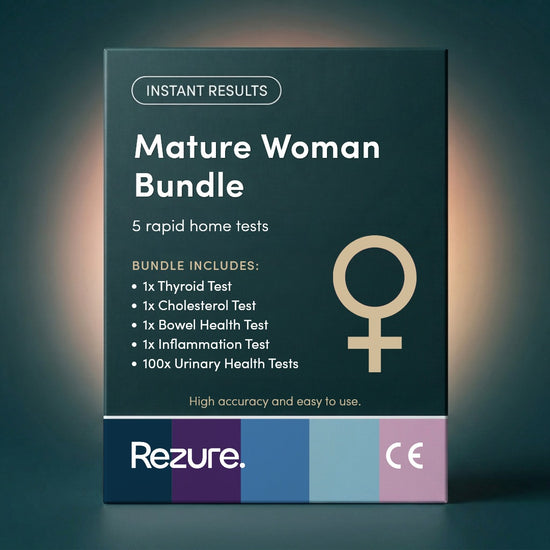
The Mature Woman Health Bundle that Rezure sells brings together home tests for several midlife health markers, including thyroid function, cholesterol, urinary health, bowel health and inflammation. It won’t explain every sleep problem, but it can help you check other areas that may be adding to tiredness.
Could this be something other than menopause?
Yes. Sleep problems and night sweats can have other causes, so the full pattern matters.
Night sweats can also be linked with anxiety, some medicines, low blood sugar, alcohol or drug use, and other health conditions. An underactive thyroid can cause fatigue, weight gain, low mood, brain fog, dry hair or hair loss, feeling cold and heavy, or irregular periods.
That overlap matters. Some people read every change as perimenopause. Others dismiss clear signs for months because they still feel pre-menopausal. Neither helps much.
A separate thyroid check may make sense if poor sleep is accompanied by tiredness, perimenopausal weight gain, low mood, feeling cold, or hair changes. Rezure’s Underactive Thyroid (TSH) Rapid Home Test Kit checks TSH from a small blood sample at home.
Can an FSH test help explain what’s changing?
An FSH test can help identify raised follicle-stimulating hormone, which may support the picture if your symptoms fit perimenopause or early menopause. It cannot prove that menopause is causing your sleep problems.
FSH can rise as the ovaries become less responsive. During perimenopause, levels can move around, so one result has limits.
Serum FSH may help confirm menopause in people aged 40 to 45 with menopause-associated symptoms and cycle changes, and in people under 40 when menopause is suspected. Premature ovarian insufficiency under 40 should not be diagnosed from one blood test alone.
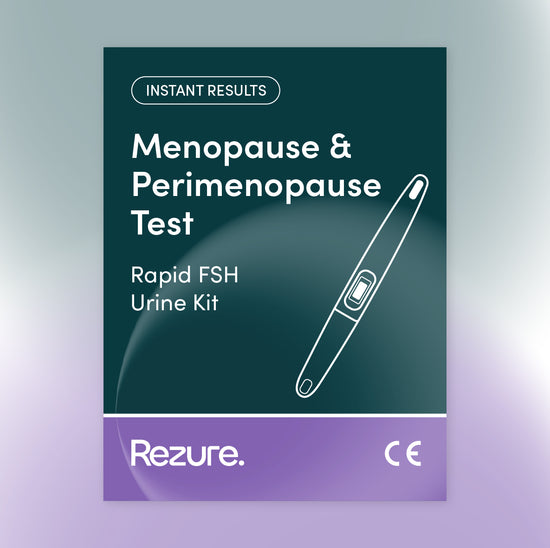
Rezure’s Menopause & Perimenopause (FSH) Rapid Home Test detects raised FSH in urine and is designed for home use. It can be a useful perimenopause test if you’re trying to understand symptoms such as irregular periods, night sweats and sleep changes. Persistent or worrying symptoms should still be discussed with a clinician.

If you’re under 45 and noticing early menopause symptoms, or under 40 and worried about symptoms of premature menopause, don’t rely on home testing alone. A GP can decide if blood tests, repeat testing or referral are needed.
What can help with menopausal sleep problems?
Start with changes that reduce the chance of a full wake-up. They may not remove the cause, but they can make nights easier to handle.
The NHS suggests steps such as keeping your bedroom cool, wearing light clothing, using a fan or cool drink, reducing stress, exercising regularly, keeping to a healthy weight, and cutting down on possible triggers such as spicy food, caffeine, hot drinks, smoking and alcohol.
Practical options include:
-
Keep spare nightwear within reach
-
Use layers instead of one heavy duvet
-
Keep water near the bed
-
Avoid checking the time after waking
-
Get morning daylight when you can
-
Write down worries before bed, not at 3.17 am
Medical options exist, too. Depending on your symptoms, medical history and preferences, a GP may discuss HRT, menopause-specific CBT, or non-hormonal medicines for hot flushes and night sweats.
When should I speak to a GP?
Speak to a GP if sleep problems affect daily life, night sweats are new and persistent, or your symptoms don’t fit your usual pattern.
You should also seek advice if you have:
-
Menopause symptoms under 45
-
Possible premature menopause symptoms under 40
-
Heavy or changing bleeding patterns
-
Bleeding after 12 months without a period
-
Palpitations, unexplained weight loss or severe fatigue
-
Snoring, gasping, morning headaches or daytime sleepiness
The point isn’t to panic over every bad night. It’s to take a repeated pattern seriously.

A simple two-week note can help: bedtime, wake-ups, sweats, mood, caffeine, alcohol, cycle changes and next-day energy. By daylight, the pattern is easier to read. That’s the aim: not to explain every 3.17 am waking with one cause, but to gather enough clues to take the next step with less guesswork.