Are home sperm tests accurate? What a normal result means

At-home sperm tests can give you a useful insight into your health, but it's vital to understand what a result can really tell you. Self-tests, while reliable, can only give you a view of part of the story.
A concentration-only home sperm test can indicate that your sample meets a set threshold. It cannot confirm that your fertility is fine. Think of it as a starting point, rather than the final say.
Are home sperm tests accurate?
Some home sperm tests can accurately check sperm concentration against a threshold. Their accuracy depends on the particular device and how you use it. Even then, they still leave plenty unchecked.
When assessing self-test accuracy, check the retailer or manufacturer's instructions to see how the test performed against laboratory tests in controlled trials. Keep in mind, though, that this reflects tests performed correctly in ideal conditions.
Home kits also vary and look at different aspects of sperm health. Collecting a sample at home for laboratory analysis is another arrangement: what the laboratory measures determines the information you receive.
My home sperm test says normal. Does that mean my fertility is fine?
No. With a concentration-only kit, normal means the sample appears to meet that kit's concentration threshold. It doesn't establish that you can conceive.

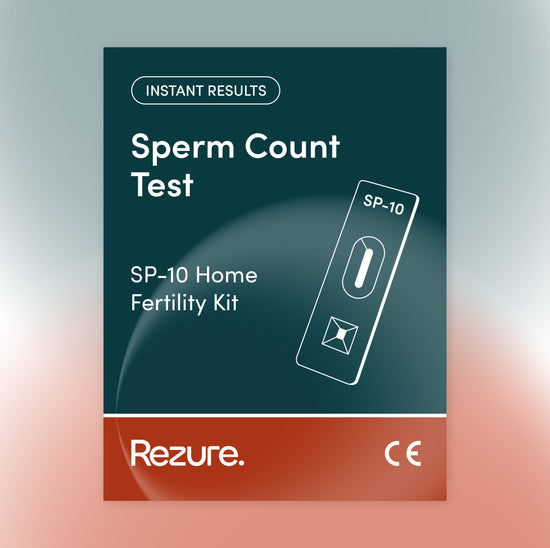
The Sperm Count and Male Fertility Rapid Home Test Kit Rezure sells detects SP-10, a protein associated with sperm, to indicate a concentration at or above 15 million sperm per millilitre. It doesn't give an exact count or assess movement and shape.
Why might you see a different number elsewhere? The WHO's 2021 semen reference data use a lower concentration reference limit of 16 million per millilitre, as set out in the European urology guidelines. The kit's 15 million threshold matches the older reference value.
These reference limits come from men whose partners conceived naturally within 12 months. They describe the lower end of that group's results. They are not a dividing line between fertile and infertile.
That explains how a reassuring test result and a reason for further investigation can exist together.
What is the difference between sperm count and motility?
Sperm count describes a number; motility describes movement. A sample can contain plenty of sperm while too few move effectively. Semen is the fluid you ejaculate; sperm are the reproductive cells within it.
A laboratory semen analysis examines several separate features:
- Concentration: The number of sperm per millilitre of semen.
- Total sperm count: The number in the whole ejaculate, calculated using concentration and semen volume.
- Motility: The proportion moving, including those travelling forwards.
- Morphology: The proportion with a normal shape.
For example, 1 mL and 3 mL samples could each contain 20 million sperm per millilitre. Their total counts would be 20 million and 60 million, respectively. A threshold-only result cannot show that difference.
A standard semen analysis provides much more information, although it doesn't test every possible cause of infertility. Nor does it automatically include specialist tests such as sperm DNA fragmentation testing.
What collection mistakes can affect a home sperm test?
Losing part of the sample, contaminating it or getting the preparation wrong can make the result misleading. Collection is an important part of the test.

Before doing a sperm count test at home, read the leaflet. The general habits behind avoiding self-testing mistakes apply here too, including checking the expiry date and storage instructions.
Pay particular attention to these steps:
- Follow the abstinence period. Many instructions specify no ejaculation for 2 to 7 days before collection. This includes masturbation. Use the instructions supplied with your kit; a laboratory may give you a different interval.
- Collect the whole ejaculate. The first portion contains most sperm. Missing it can make the remaining sample misleadingly low. Don't assume the portion you caught represents everything.
- Avoid contamination. Use the supplied container. Don't add saliva or ordinary lubricant, or collect through an ordinary condom. NHS sample collection advice explains that unsuitable lubricants and condoms can harm sperm.
- Allow the preparation time. Semen needs to liquefy before testing. Follow the specified wait time, then measure and mix the sample with the supplied solution exactly as directed.
- Set a timer. Read the result within the leaflet's stated window. A line appearing after that window isn't a result you can use.
If the control line is missing, the test is invalid. Repeat with a new kit, following the instructions. If you've spilt or contaminated the sample, ask the supplier how to repeat collection rather than improvising.
Why might we have a normal sperm test but still not be pregnant?
A normal home result leaves possible sperm problems unexamined. Pregnancy also depends on factors involving your partner, including ovulation and the fallopian tubes. Sometimes investigations find no clear cause.
And conception doesn't happen in every cycle. Tracking dates or using fertility and pregnancy tests cannot make a sperm concentration result explain a delay on its own.
Semen measurements also vary between ejaculates. Male infertility guidance recommends assessing the couple together and interpreting semen results alongside medical and reproductive history.
Repeated home tests can create false reassurance if you use them to postpone an assessment. Testing concentration again doesn't fill the gaps left by the first kit.
When should I see a GP after a normal home sperm test?
Book an appointment if pregnancy is taking longer than expected or either partner has a reason for concern. You don't need an abnormal home result to ask for help.
The NHS advises seeking help with fertility:
- After a year of regular unprotected sex without conceiving.
- Sooner if the partner hoping to become pregnant is aged 36 or over.
- Sooner if either of you has a relevant medical history, such as cancer treatment or a possible sexually transmitted infection.
A low home result also deserves medical follow-up. It doesn't mean pregnancy is impossible. If laboratory testing finds a possible problem, the NHS says a repeat semen analysis usually follows around three months later; your clinician will advise on timing.
If testing privately at home felt easier than discussing fertility, you can start the appointment by showing the GP the kit details and your result. Tell them how long you've been trying and bring a list of your medicines and supplements.