Prostate Health (PSA) Rapid Home Test Kit

£20.00 £24.00
In stock
Skip to product information
1 of 4

Prostate Health (PSA) Rapid Home Test Kit
Prostate Health (PSA) Rapid Home Test Kit
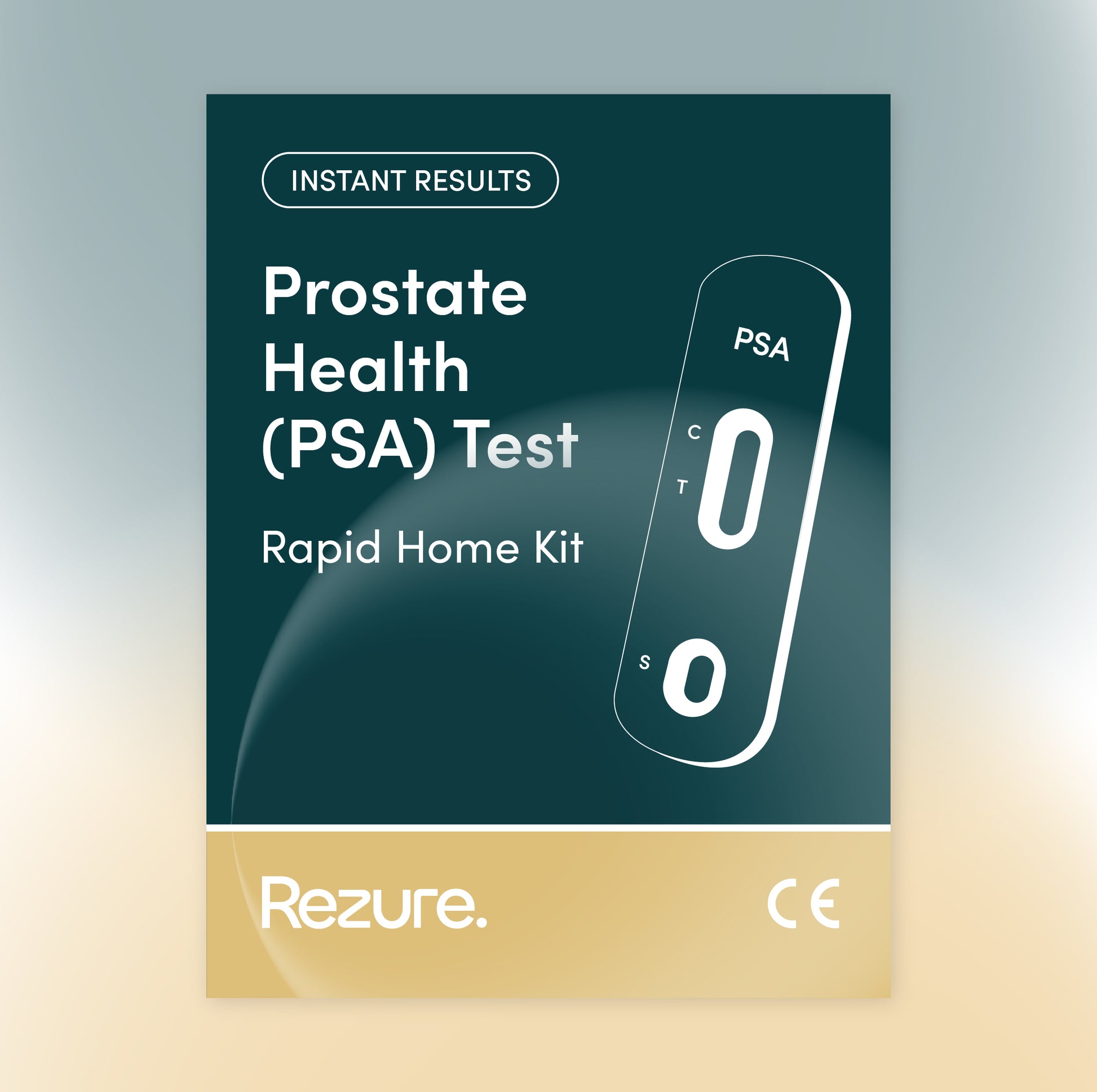
Check your PSA level at home with our Prostate Health (PSA) Rapid Home Test Kit. This finger-prick blood test checks whether your Prostate-Specific Antigen level is above the test threshold, with results you can read in minutes.

PSA is a protein made by the prostate. Higher PSA levels can have several causes, including benign prostate enlargement, prostatitis, urinary infection, recent ejaculation, some types of exercise, or prostate cancer. A PSA test alone cannot diagnose or rule out prostate cancer.

This kit gives you a quick screening result from a small blood sample at home. If your result is elevated, or you have symptoms, speak to a doctor for advice and any further checks needed.

Results you can read in minutes from the privacy of your home.

Quantity
Regular price £20.00
Sale price £20.00 Regular price £24.00
Sale Sold out
Taxes included. Shipping calculated at checkout.

Free UK shipping for orders over £20

View full details

About this test

Brand we're currently stocking: PRIMA

This rapid test offers a simple, discreet way to check whether your Prostate-Specific Antigen (PSA) level is above a key threshold from home. It uses a small finger-prick blood sample and gives you a screening result in minutes.

According to the NHS, PSA levels greater than 4ng/ml may warrant further medical investigation. A PSA result should always be interpreted in context.

This CE-marked test is designed to show whether your PSA concentration is above the test cut-off. It can support routine health checks, but it should not replace medical advice.

Use the instructions provided, read your result within the stated time window, and speak to a healthcare professional if your result is elevated or you have urinary symptoms, pain, blood in your urine, or other prostate-related concerns.

Buy this kit as part of our Mature Man Test Bundle.

Brand of test may vary.

How this test helps you
Screens for elevated PSA levels
Supports routine PSA screening from home
Quick results in under 10 minutes
Uses a small finger-prick blood sample
No lab processing required
Screening result to discuss with a healthcare professional

Get this test as part of a bundle

Save more by buying together with other related tests

Shop Mature Man Bundle
Learn more about this test

Frequently Asked Questions

Who is this test recommended for?

This PSA test may be suitable for men and people with a prostate aged 50 or over who want to check whether their PSA level is above the test threshold.

It may also be relevant if you have urinary symptoms, such as difficulty urinating, needing to urinate more often at night, pain when passing urine, or feeling that your bladder has not emptied fully.

A PSA result cannot diagnose or rule out prostate cancer, so speak to a healthcare professional if your result is elevated or if you have symptoms. Further tests are needed to confirm cancer or less serious conditions, such as an enlarged prostate or prostatitis.

Do I need to send my sample to a lab?

No, this private test is designed for quick, at-home results, so you won’t need to send your sample to a lab.

Once you collect a finger-prick blood sample, the test kit provides results in minutes, letting you check your PSA levels easily and confidentially.

How accurate are the results of this test?

When you carry out the test procedure correctly, this kit has a sensitivity of 97.22% and an accuracy of 92.34%.

However, like any screening tool, it is not 100% definitive. If your results show elevated PSA levels, it’s recommended that you confirm the results with a second test, and consult a healthcare provider to understand the cause.

What are the normal PSA level ranges for different ages?

Normal PSA levels vary with age. According to the NHS, for men in their 40s to 50s, PSA levels under 2.5 ng/mL are generally considered normal. For men over 60, levels below 4.0 ng/mL are typically within the normal range.

However, individual health factors can influence what’s normal for you.

What does it mean if my PSA levels are above normal?

Elevated PSA levels may indicate prostate issues such as an enlarged prostate, prostatitis (inflammation), or, in some cases, prostate cancer. However, high PSA levels do not automatically mean cancer.

Many factors, including age, recent activities, or benign conditions, can cause PSA levels to rise.

Seek immediate medical attention if you are concerned about your PSA levels.

What should I do if my PSA levels are elevated?

If your PSA levels are elevated, it’s a good idea to contact your doctor. They may suggest additional tests or monitoring to assess the cause and determine the next steps.

Are the results from this test a formal diagnosis?

No, the results are not a formal diagnosis.

This test is a screening tool to indicate whether your PSA levels are elevated.

Elevated PSA levels can result from various conditions, not just prostate cancer.

Your doctor can perform additional tests and assessments if high PSA levels are detected.

Can medications or recent activities affect PSA levels?

Yes, certain medications and activities can impact PSA levels. For example, medications like finasteride (often used to treat an enlarged prostate) can lower PSA levels, while recent vigorous exercise, particularly cycling, and sexual activity can temporarily increase PSA levels.

If you’ve recently done any of these activities, it may be worth waiting a few days before testing or noting them when interpreting your results.

How often should I use a PSA test?

There is no single recommended schedule for using a PSA test at home. How often you check your PSA level depends on your age, symptoms, previous PSA results, and risk factors such as family history.

In the UK, routine PSA screening is not offered to everyone, but men and people with a prostate aged 50 or over can ask their GP about PSA testing. People at higher risk may be advised to discuss PSA testing earlier.

If you use this test as part of routine monitoring, avoid testing too often without medical guidance. PSA levels can change for reasons unrelated to cancer, including urinary infection, prostatitis, recent ejaculation, and vigorous exercise.

Prostate Cancer UK advises waiting around six weeks after a urine infection and avoiding vigorous exercise for 48 hours before a PSA blood test.

If your result is elevated, repeat testing or further checks should be guided by a healthcare professional. A PSA test alone cannot diagnose or rule out prostate cancer.

Can I use this test if I already have a prostate condition?

Yes, you can use this test if you have a pre-existing prostate condition, as it can help you monitor PSA levels over time.

However, since some conditions and treatments may affect PSA readings, discussing your results with a doctor will give you a clearer understanding of what they mean in your specific case.

Is this test painful?

The test involves a simple finger-prick to obtain a blood sample, which may cause slight discomfort, similar to a quick pinch.

Most users find it minimally painful, and the process is designed to be as easy and comfortable as possible.

How to use this test

1
Prepare and clean
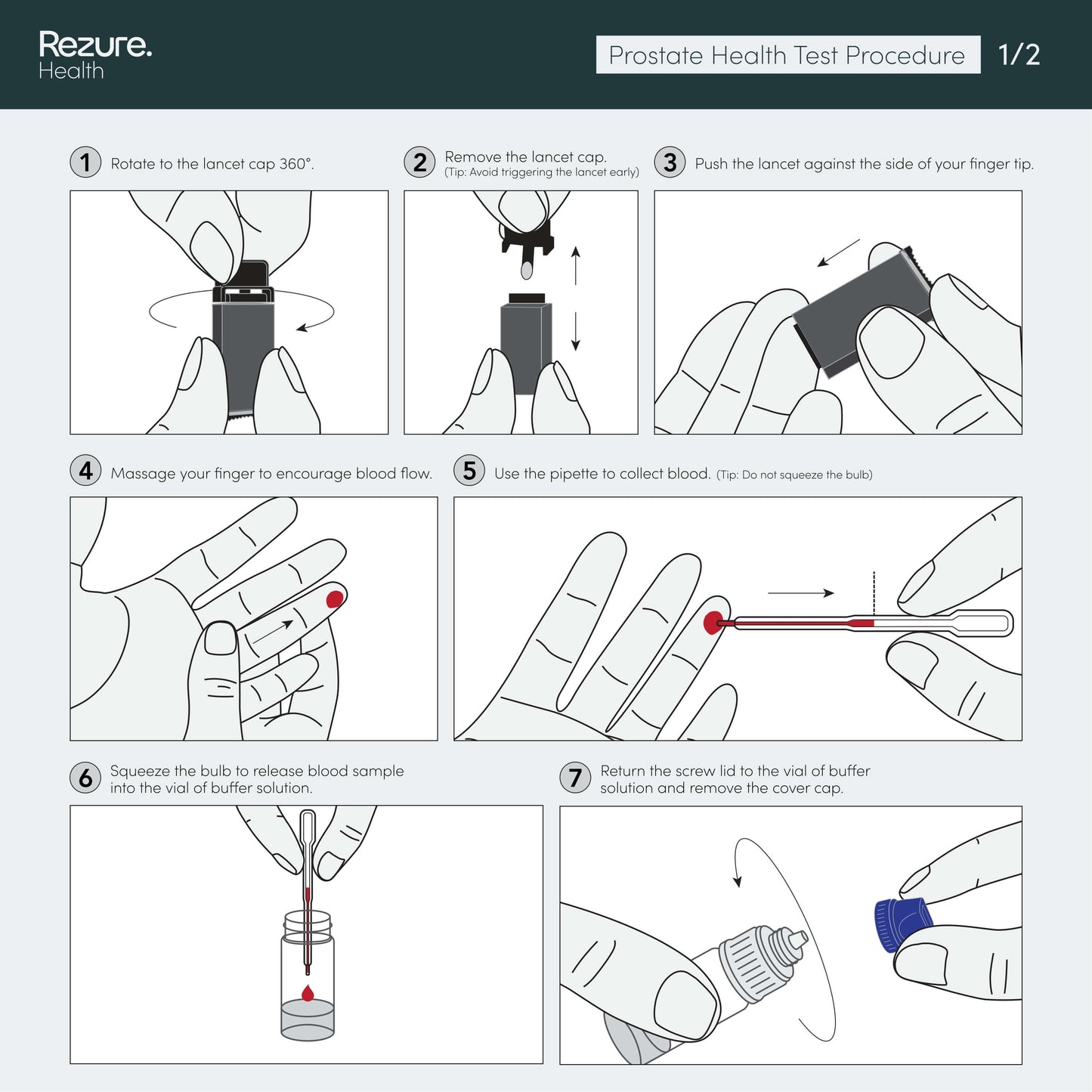
Wash your hands thoroughly with soap and rinse with warm water.

Tear open the protective pouch and remove the device and pipette.
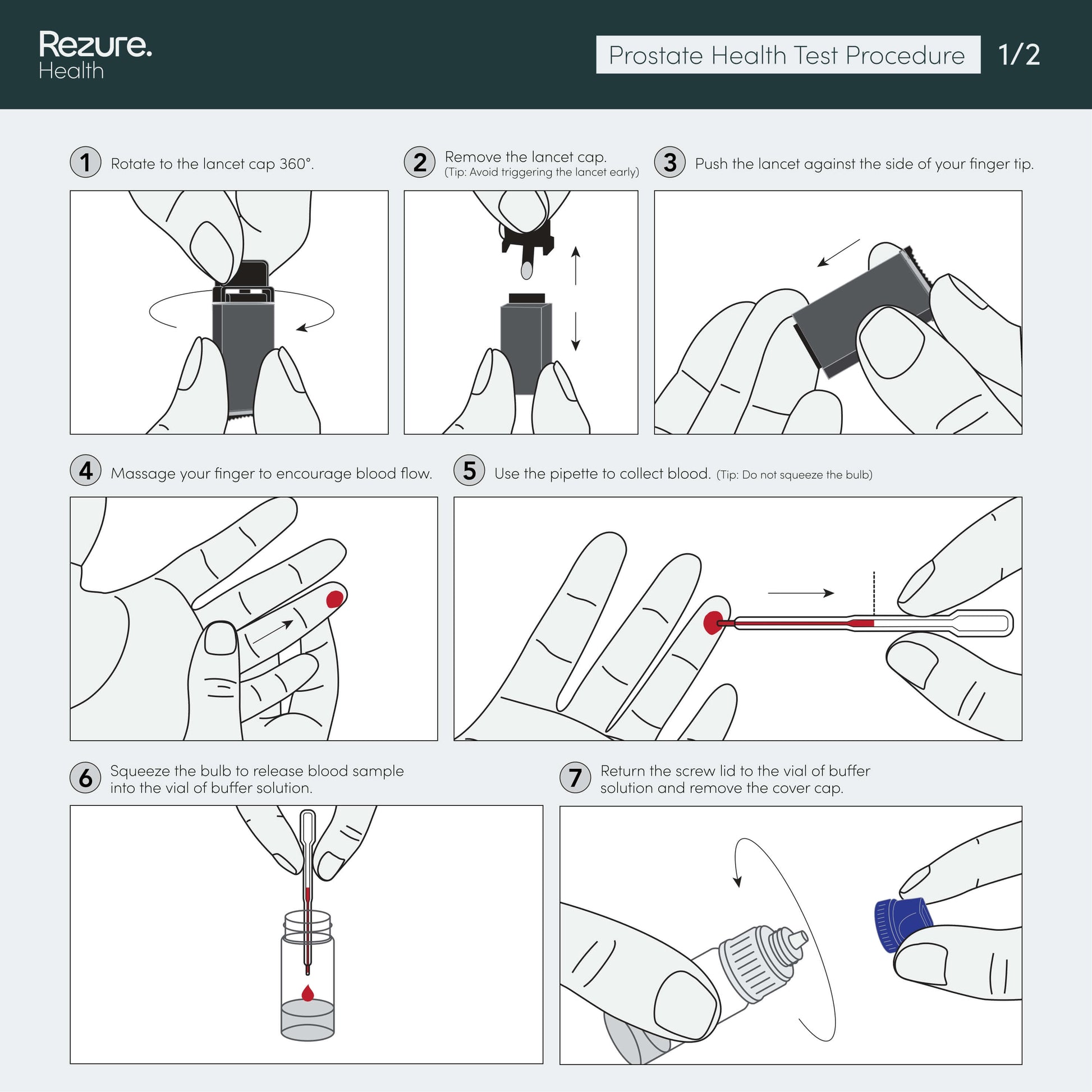
Push the small orange rod into the lancet until you hear a click, indicating it's activated. Be careful not to press the trigger prematurely.

Turn and remove the orange rod.
2
Draw the blood
Clean your fingertip with an alcohol-dampened cotton pad and massage from base to tip to enhance blood flow.

Firmly press the lancet against the cleaned part of your finger and press the trigger button.

Keep your hand down and massage the fingertip to form a drop of blood.

Without pressing the pipette bulb, place it in contact with the blood drop until it reaches the indicated line.
3
Apply the sample
Transfer the collected blood into the sample well of the device by pressing the pipette bulb.

Wait for the blood to fully dispense into the well.

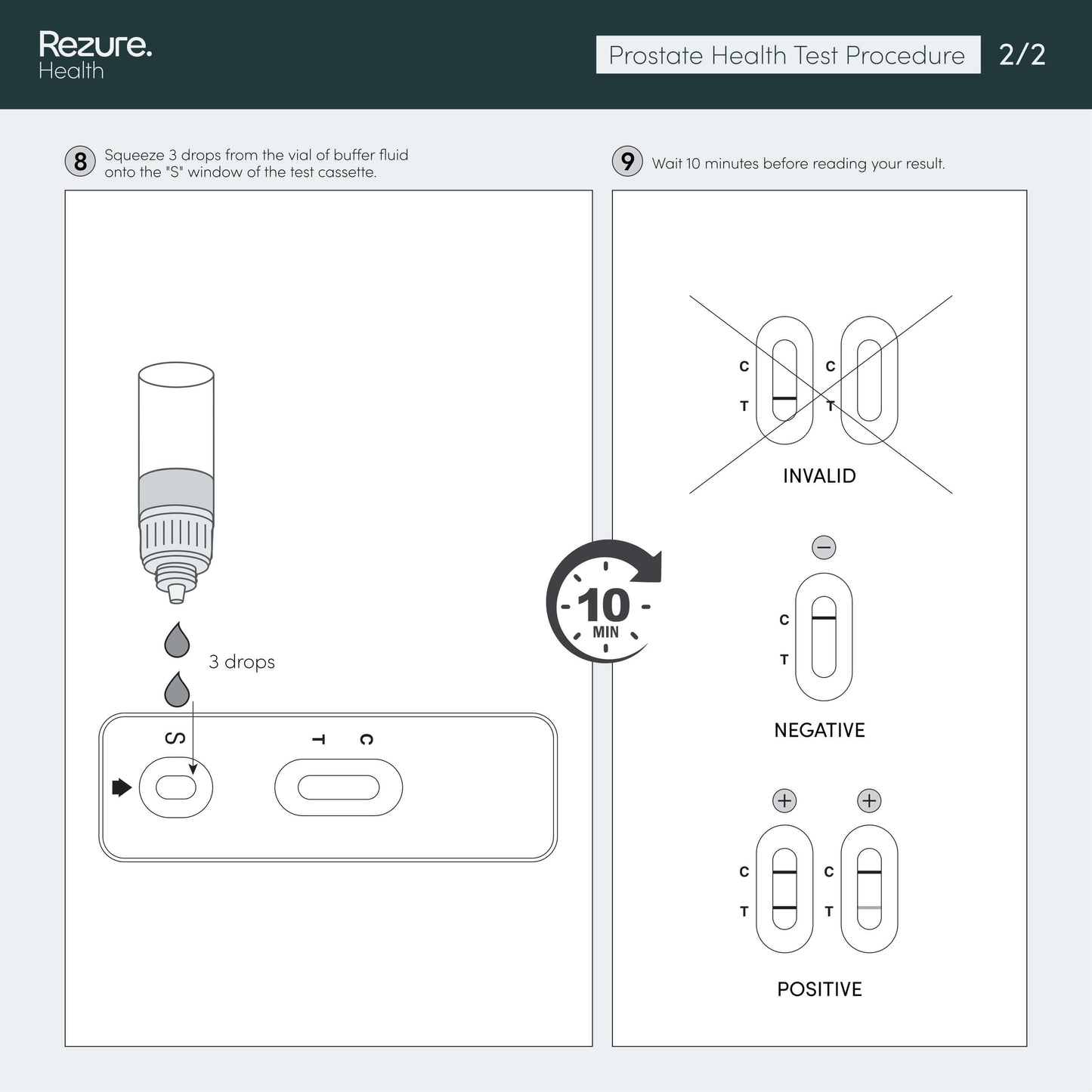
Using the dropper bottle, add 5 drops of diluent into the sample well.
4
Wait for development

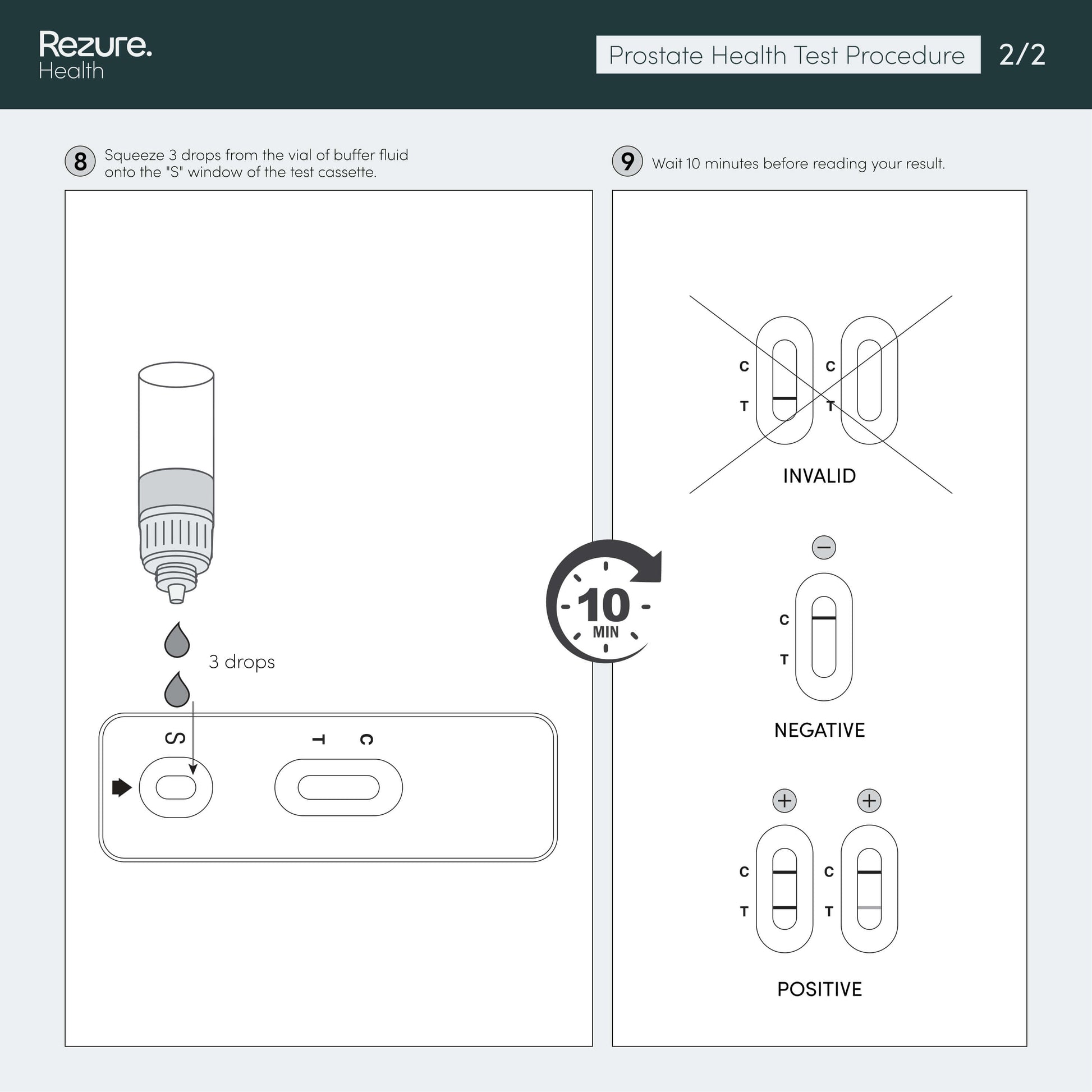
Allow the test to sit undisturbed for 10 minutes.

This ensures the sample and diluent interact correctly for accurate results.

After 10 minutes, check the result window.

5
Read positive results

Two coloured lines under 'T' (Test) and 'C' (Control) indicate a positive result, suggesting a higher than normal prostate specific antigen level.

Consult a doctor for further evaluation.

6
Read negative or invalid results

One coloured line under 'C' (Control) indicates a negative result, meaning the prostate specific antigen level is normal.

If no line appears, or only a line under 'T' (Test) appears, the result is invalid.

Repeat the test with a new device and fresh blood sample.

Good value and instant results

  • Quick, at-home PSA level screening
  • Supports informed conversations with a doctor
  • Uses a small finger-prick blood sample
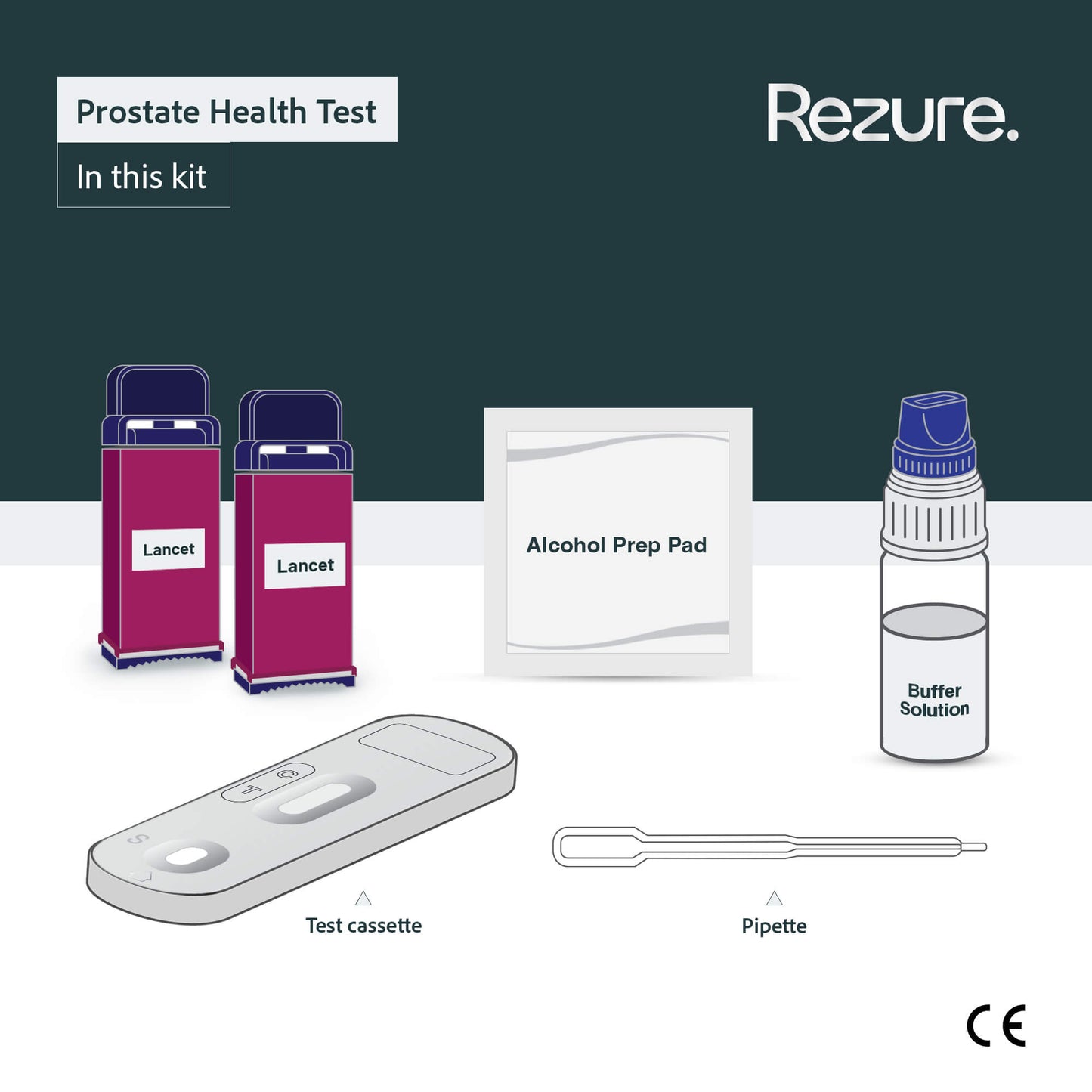
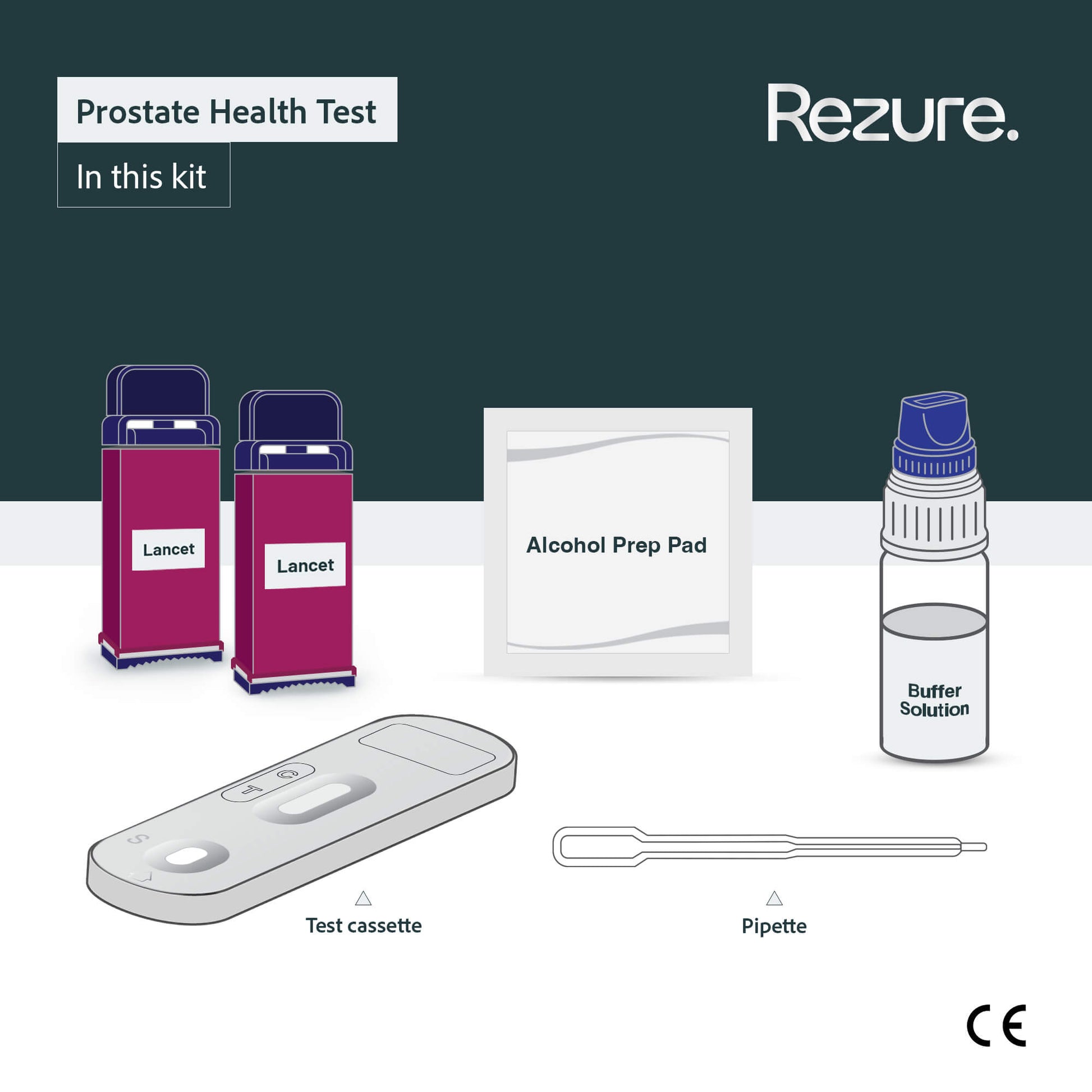
  • Kit contains everything you need for testing
  • Supports routine PSA screening from home
  • CE-Certified

    The CE mark means our tests have been assessed for quality

  • Tested

    Each test has undergone clinical trials

  • Used by doctors

    Our tests are made from hospital-grade components

  • Rapid results

    Instant answers from the comfort of home