How does a smoking test work? Nicotine vs. cotinine explained

It usually begins with something small. A smell on clothes that shouldn’t be there; a vape found in a school bag; a workplace rule that keeps getting challenged. Suspicions soon start popping up, which can impact relationships, morale, and even safety.
Ultimately, a parent, teacher, or manager may simply want a clear answer to a simple question: has there been recent nicotine exposure, and how can you tell?
That is where a smoking test can be useful.
What is a smoking test actually looking for?
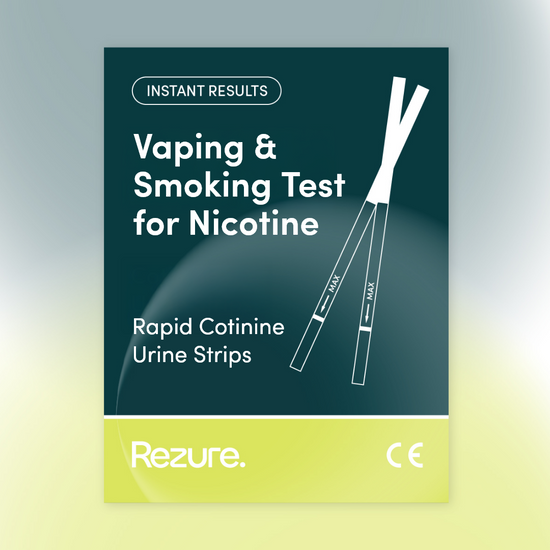
Most home nicotine tests do not search for nicotine itself. They look for cotinine, the main substance your body makes after it processes nicotine. Cotinine is one of the best markers of recent tobacco exposure because it is more stable and easier to detect over a longer window than nicotine.
That longer window is the key point. Nicotine has a short half-life, around 0.5 to 3 hours. Cotinine’s half-life is about 15 to 20 hours.
In plain English, nicotine comes and goes quickly, while cotinine hangs around for longer. That is why a urine-based smoking and vaping test can pick up recent exposure more reliably than a test aimed at nicotine alone.
Without testing for nicotine directly, this test helps answer a practical question: has nicotine been in the body recently?
If you want a simple way to think about it, cotinine helps because it is:
-
More stable in the body than nicotine
-
Detectable for longer
-
Useful for recent exposure to smoking vapes, cigarettes, and other nicotine products
-
Relevant in some cases of second-hand exposure, too
Can a smoking test detect vaping, too?
Yes, if the vape contains nicotine. A cotinine-based test is really a nicotine exposure test. It cannot tell you the exact product that was used, but it can show recent exposure that may have come from cigarettes, nicotine vapes, or other nicotine sources.

That makes these tests useful in several real-life settings:
-
For parents dealing with suspected teen vaping
-
In schools or colleges where nicotine products are not allowed
-
In workplaces with non-smoking and non-vaping policies
-
In supported housing or care settings with clear site rules
-
When someone wants evidence of recent exposure rather than guesswork
The issue is no longer limited to cigarette smoking. Smoking vapes, disposable devices, nicotine pouches, and other nicotine products have created a wider enforcement problem in places where smoking and vaping are restricted.
The key limitation is that a cotinine test is not a comprehensive medical assessment, and does not measure every substance linked to smoke or aerosol exposure.
Why does nicotine exposure matter in the first place?
Tobacco kills more than 7 million people each year. Nicotine is addictive, which is one reason people find it hard to stop smoking or stop vaping. Yet the biggest health damage from cigarette smoking comes from the smoke itself and the chemicals produced by burning tobacco.
Smoking is a major risk factor for heart disease, stroke, chronic obstructive pulmonary disease, and many cancers. It also raises the risk of chest infections and can worsen blood vessel disease.
Vaping is different from smoking. Nicotine vaping is less harmful than smoking if someone switches fully from cigarettes. At the same time, vaping is not harmless, and we still do not know the full long-term picture.
Current guidance also makes clear that children and non-smokers should not vape.
Some reported vaping side effects and short-term effects of vaping include:
-
Coughing
-
Dry mouth and throat
-
Throat irritation
-
Headaches
-
Shortness of breath in some users
-
Dizziness or stomach upset from nicotine itself
It is true that vaping can reduce exposure to many toxins if it fully replaces cigarette smoking. However, it still exposes the body to nicotine and other substances. That matters for the person using it. It also matters for the adults responsible for setting rules around it.

The very fact that the science isn’t conclusive on vaping should in itself act as a red flag to people. Since vaping has only been widely popular in the past decade, the long-term health impacts are still being observed.
What can a smoking test tell you, and what can’t it tell you?
A smoking test can tell you that recent nicotine exposure has likely happened. It cannot diagnose lung disease, heart disease, cancer, or nicotine dependence on its own. It also cannot explain every symptom a person may be having.
What it can do is give you a data point. That may be useful when enforcing rules fairly.
A cotinine test is most useful when you treat it as one part of a bigger picture that may include:
-
Symptoms
-
Smoking or vaping history
-
Behavioural concerns or repeated policy breaches
-
Blood pressure and cardiovascular risk
-
Inflammation
-
Glucose or ketone concerns
-
Advice from a clinician if needed
That wider picture is where other tests can also make sense. Smoking is strongly linked with cardiovascular disease, so someone thinking about cigarette smoking risk may also want to review cholesterol using a Total Cholesterol Rapid Home Blood Test Kit.
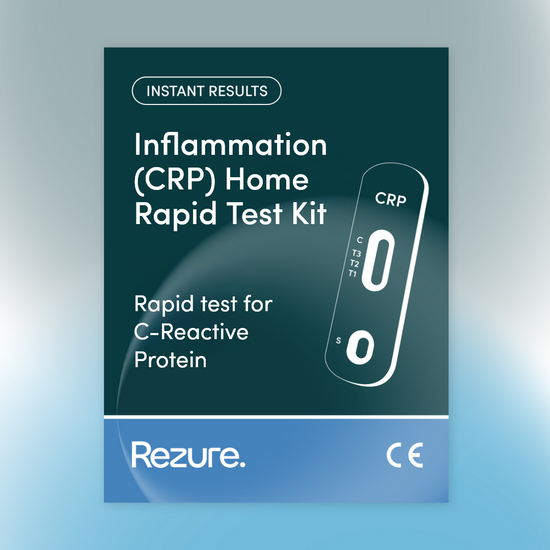
Inflammation is another part of the story. Smoking can aggravate inflammatory processes and increase the risk of infection, so in some situations, it may be useful to consider a Home C-Reactive Protein (CRP) Rapid Test Kit alongside the broader picture.
Smoking also has an important relationship with metabolic health. If you are thinking about blood sugar or ketones as part of that wider health picture, you might also try a Home Diabetes Types 1 and 2 Glucose Test Kit.
Why might a parent, school, or employer use a smoking test?
Usually, because the issue is not abstract. It is immediate. A child may deny vaping. A member of staff may breach a site policy. An employer may need a clearer basis for welfare action or internal procedures.
In cases like these, a smoking test can help move the conversation away from accusation and towards evidence.

That does not mean every concern needs testing. Context still matters. So do privacy, consent, safeguarding, and workplace processes. Yet where nicotine use is relevant, a smoking test can play a role in:
-
Confirming recent exposure
-
Supporting safeguarding concerns around teen vaping
-
Backing up non-smoking rules in specific settings
-
Reducing disputes built on denial or guesswork
-
Helping adults respond with clearer facts
UK employers must also ensure they are aware of relevant laws around workplace drug testing.
What is the best way to stop smoking or stop vaping?
The best way to stop smoking is usually the one that gives a person a realistic plan and proper support. NHS guidance says nicotine replacement therapies are proven and can double the chances of quitting for good.
Vaping can be an effective stop-smoking aid for adults if it replaces smoking completely, though it is not risk-free.
For people asking about the best way to stop smoking or the best way to stop vaping, the evidence points towards practical support, not willpower alone.
Useful steps include:
-
Setting a quit date
-
Using stop smoking support
-
Using nicotine replacement if appropriate
-
Switching fully away from cigarettes rather than mixing products
-
Dealing with triggers and routines, not only nicotine
-
Tracking progress over time where that is relevant
In a family, school, or workplace setting, the aim is often slightly different. It may be less about treatment and more about boundaries, accountability, and early intervention.
What are the benefits of quitting smoking?
The benefits of quitting smoking start quickly.
Pulse rate begins to return towards normal after 20 minutes. After 8 hours, carbon monoxide levels in the blood have reduced by half. After 48 hours, carbon monoxide has dropped to that of a non-smoker and taste and smell begin to improve.

Over the longer term, the benefits of giving up smoking include lower risks of heart attack, lung cancer, stroke, and lung disease.
Some of the clearest benefits of quitting smoking include:
-
Better circulation and heart health over time
-
Lower risk of heart attack and stroke
-
Lower risk of lung disease and several cancers
-
Fewer smoke-related toxins in the body
-
Better sense of taste and smell
-
A clearer path to staying smoke-free
The benefits of giving up smoking are not only medical. For many people, there is also relief in no longer being tied to nicotine use, secrecy, routine breaches, or repeated arguments about it.
So why do we use a smoking test at all?

For many people, questions about smoking or vaping do not begin in a clinic. They begin in ordinary moments: a lingering smell, a rule that has been broken, a concern about a teenager, a manager trying to handle a workplace issue fairly.
That is where a smoking test earns its place.
A smoking test does not replace medical advice, and it does not tell the whole story about health. It does, however, help smokers, vapers, parents, schools, employers, and others responsible for non-smoking environments to place nicotine exposure in context. That can make all the difference.