Kidney Health Rapid Home Test

£12.00 £14.00
In stock
Skip to product information
1 of 3

Kidney Health Rapid Home Test
Kidney Health Rapid Home Test
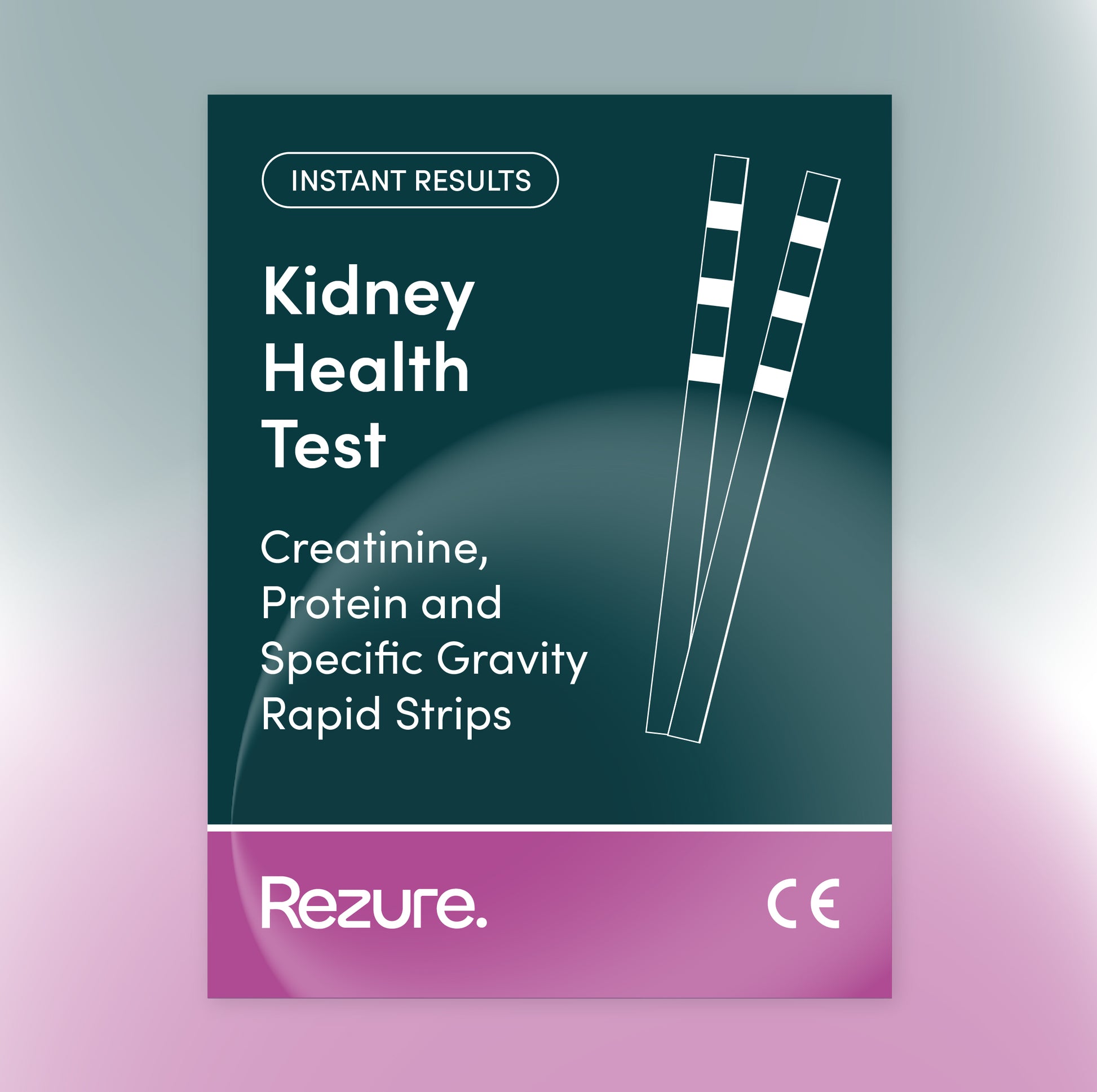
Check your kidney health at home by measuring creatinine, specific gravity, and protein levels in urine.

This test helps monitor kidney function, hydration levels, and potential kidney issues. A simple dipstick with clear instructions for fast, reliable results—no lab needed.

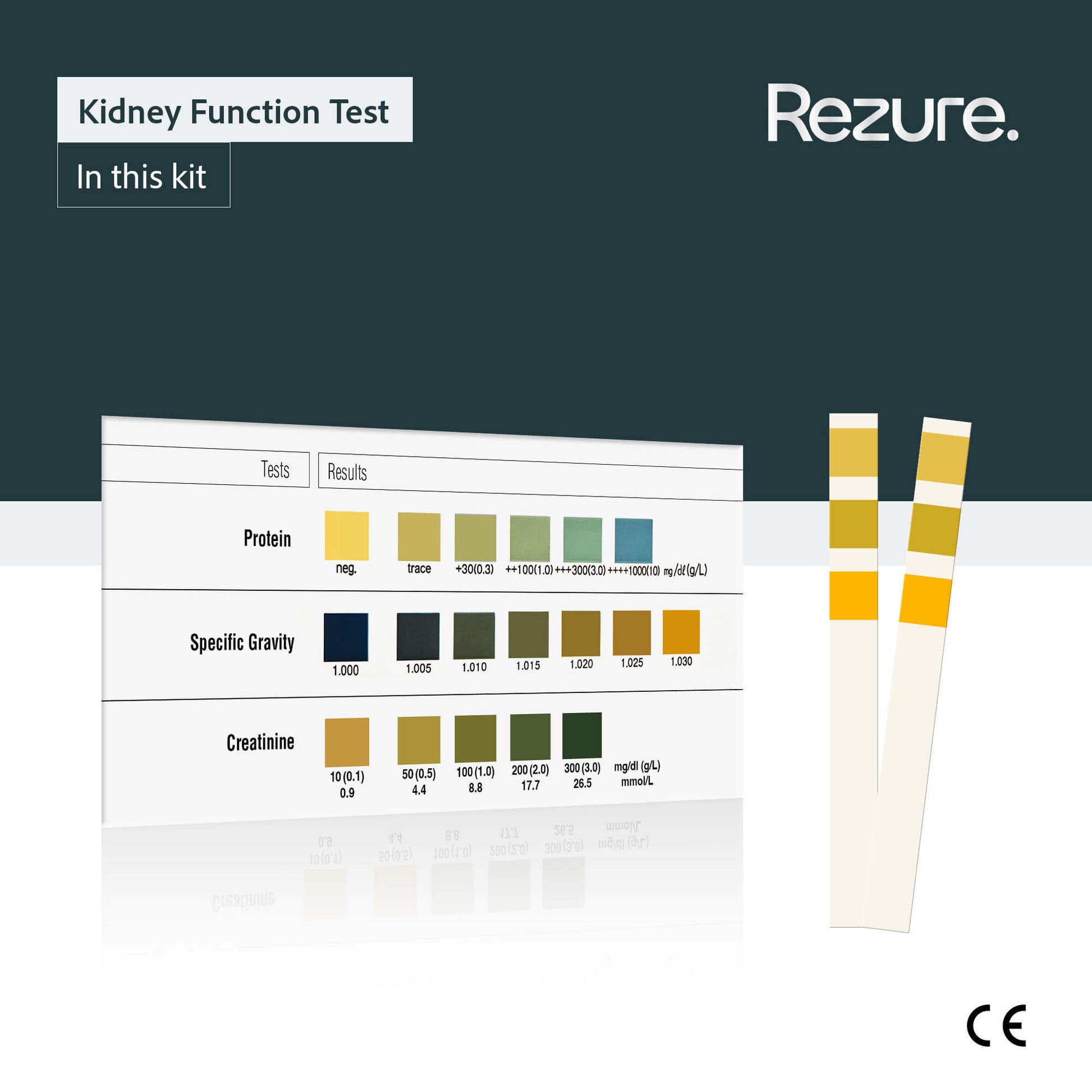
Complete test kit includes test strips, colour chart, and instructions for easy self-testing.

Accurate results in minutes from the comfort of home. 

Quantity
Regular price £12.00
Sale price £12.00 Regular price £14.00
Sale Sold out
Taxes included. Shipping calculated at checkout.

Free UK shipping for orders over £20

View full details
About this test

Brand we're currently stocking: OneStep

Your kidneys play a crucial role in filtering waste, balancing fluids, and regulating essential nutrients. Keeping an eye on their function can help detect potential issues early, even before symptoms appear.

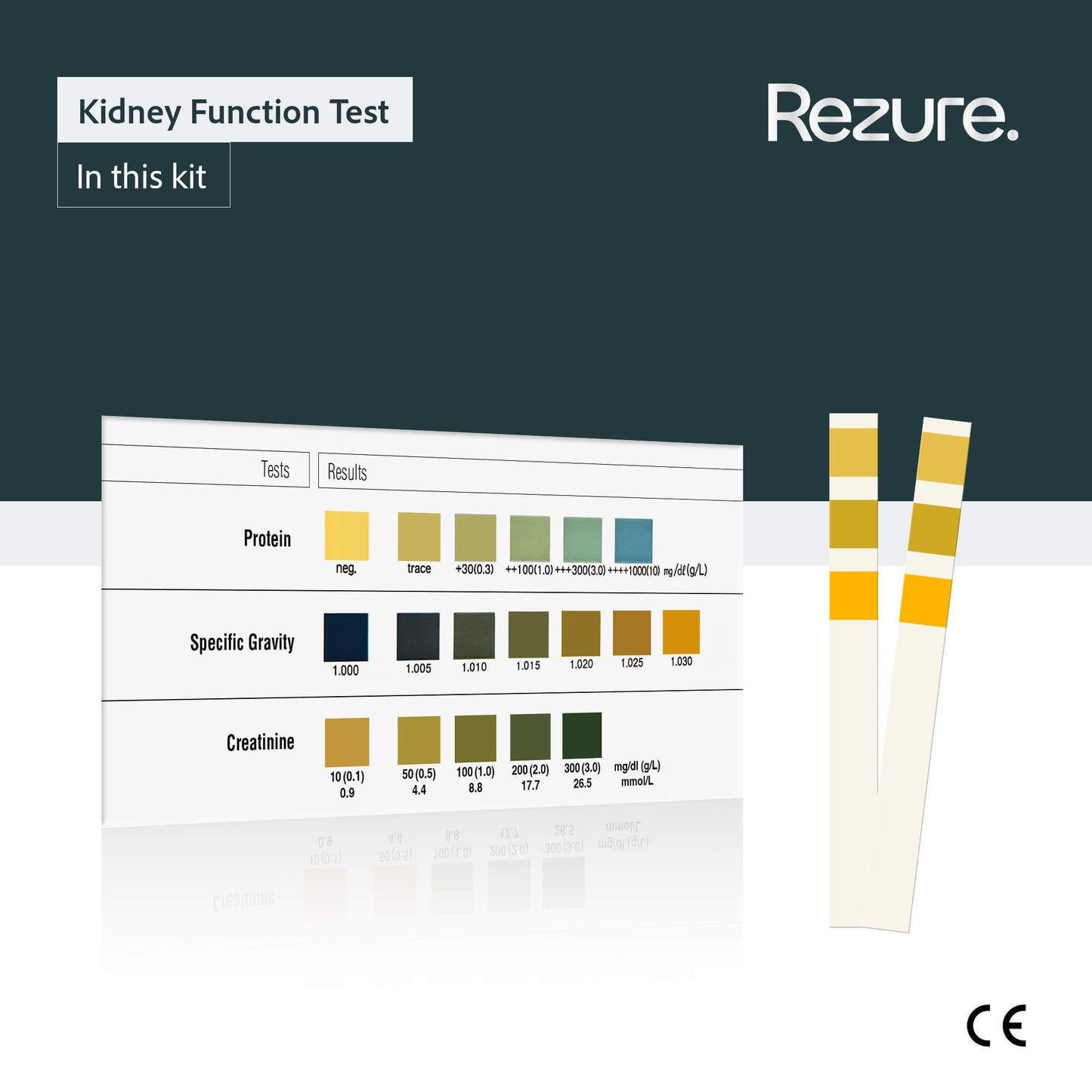
This simple at-home test measures three key markers in urine—creatinine, specific gravity, and protein—which provide insight into kidney health. Just dip the test strip into a fresh urine sample, wait for the reaction, and compare the results against the color chart.

What this test measures:

  • Creatinine – A waste product filtered by the kidneys. High or low levels in urine can indicate kidney dysfunction or reduced filtration efficiency.
  • Specific Gravity – Measures urine concentration. If too high, it may suggest dehydration or impaired kidney function; if too low, it could indicate excessive fluid intake or kidney disease.
  • Protein (Proteinuria) – The presence of protein in urine can signal kidney damage, infection, or early signs of chronic kidney disease.

How this test helps you

Monitors key kidney function markers
Detects early signs of kidney issues
Helps track hydration levels
Supports diabetes and blood pressure management
Easy at-home health monitoring
No lab analysis needed

Get this test as part of a bundle

Save more by buying together with other related tests

Shop Liver and Kidney Vitality Bundle
Learn more about this test

Frequently Asked Questions

Who is this test recommended for?

This test is ideal for anyone wanting to monitor their kidney health from home. It’s particularly useful for:

  • People at higher risk of kidney disease, such as those with diabetes, high blood pressure, or a family history of kidney issues.
  • Individuals experiencing possible kidney-related symptoms, including swelling, fatigue, changes in urination, or persistent dehydration.
  • Those who want to track their hydration levels, as specific gravity can indicate whether you’re drinking enough fluids.
  • People managing chronic conditions where kidney health is important, like heart disease or autoimmune disorders.
  • Anyone looking for a convenient, proactive way to check their kidney function without needing a lab test.

While this test provides valuable insights, it is not a replacement for professional medical advice. If you receive abnormal results or have concerns about your kidney health, you should consult a healthcare professional.

If you are already keeping an eye on blood sugar and related health risks, the Diabetes Markers Indicator Home Test Kit is a natural companion product.

Do I need to send my sample to a lab?

No, this is a rapid at-home test, so there’s no need to send your sample to a lab. The test strips react instantly to the urine sample, providing results within minutes. Simply dip the strip in fresh urine, wait for the reaction, and compare the color changes to the provided chart to interpret your results.

If your results are unclear or abnormal, consider repeating the test or consulting a healthcare professional for further evaluation.

How accurate are the results of this test?

This test provides a reliable indication of kidney function when used correctly. It follows the same principles as urine dipstick tests used in medical settings. However, accuracy depends on:

  • Following the instructions carefully, including proper timing and reading the color chart correctly.
  • Using a fresh urine sample—old or contaminated samples can affect results.
  • Avoiding excessive fluid intake before testing, which may dilute the urine and impact readings.

While this test is a useful screening tool, it cannot diagnose kidney disease on its own. If you receive abnormal results or have concerns about your kidney health, consult a healthcare professional for further testing.

What can this test tell me about kidney function?

This test measures three key markers in urine that provide insight into kidney function:

  • Creatinine – A waste product filtered by the kidneys. Abnormal levels can indicate impaired kidney filtration or potential kidney disease.
  • Specific Gravity – Measures urine concentration, helping assess hydration levels and kidney efficiency. High levels may suggest dehydration, while low levels could indicate excessive fluid intake or kidney dysfunction.
  • Protein (Proteinuria) – The presence of protein in urine can be an early sign of kidney damage, infection, or chronic conditions like diabetes and high blood pressure.

Together, they can help flag patterns worth paying attention to, including possible kidney damage, protein in urine, or signs that hydration is off.

It is a useful home check when you want more than guesswork and would rather start with a fast screen than ignore changes and hope they pass.

Can this test diagnose chronic kidney disease?

No, this test cannot diagnose kidney disease.

It can help highlight early warning signs linked to chronic kidney disease, especially when protein in urine or creatinine levels do not look right.

It does not diagnose chronic kidney disease on its own, and no home dipstick should pretend to do that.

What it does offer is a practical first step. That matters because kidney problems can build quietly, and a simple urine check can give you a reason to follow things up sooner rather than later.

If you receive abnormal results, it’s important to repeat the test and consider other factors like hydration, diet, or medications that may affect readings.

For a definitive diagnosis, you should consult a doctor, who may recommend blood tests and further medical evaluation.

What does protein in urine mean on this test?

Protein in urine, also called proteinuria, can be a sign that the kidneys are letting protein leak into the urine when they should be keeping it in the blood.

That can happen for a few reasons, including kidney stress, infection, or longer-term kidney damage.

A one-off result does not give the full picture, though it can be a strong reason to pay closer attention. This is one of the most useful parts of the test, because it gives you a quick home check on a marker people often do not realise matters until much later.

Is proteinuria the same as albuminuria?

Not exactly. Proteinuria means protein is present in the urine more broadly, while albuminuria refers to albumin, a specific type of protein.

This test checks for protein in urine rather than isolating albumin alone, so it works as a broader home screen for possible kidney issues.

That still makes it very useful if your aim is to pick up an early sign of kidney strain rather than wait for symptoms to become harder to ignore.

What do creatinine levels in urine show?

Creatinine is a waste product the kidneys normally filter and pass into urine.

This test checks urine creatinine as one part of a wider kidney health screen, so it can help show when filtration may not be working as expected.

On its own, it is not a full answer. Alongside protein and specific gravity, though, it gives you a more rounded snapshot than a single-marker strip.

That is part of what makes this a sensible home option when you want a quick check with more substance behind it.

Can this test show dehydration as well as kidney problems?

Yes. Specific gravity reflects how concentrated the urine is, so it can help you spot dehydration as well as possible kidney-related issues.

That gives the test a bit more day-to-day value, because it is not only about serious long-term concerns.

It can also help you make sense of what is going on when urine looks darker than usual, you feel run down, or you want to keep an eye on hydration alongside kidney function.

What should I do if the test suggests kidney damage or abnormal kidney function?

Treat it as a prompt to take the next step, not as a final diagnosis. If protein, creatinine, or specific gravity look abnormal, it is worth repeating the test carefully and speaking to a healthcare professional if the result persists or symptoms are present.

The value of this kind of test is speed. It can give you an early nudge before a possible issue has had time to sit unnoticed.

If you want more context around warning signs, our blog article Urgent signs: What your urine says about your kidney health fits well with this page.

Should I choose this test on its own or go for a wider check?

If your main question is about kidney function, this is a focused and practical place to start. It covers three useful urine markers and gives results quickly at home.

If you want broader coverage, the Liver and Kidney Vitality Tests Bundle gives you a wider look at two related organs, while the Liver Health Rapid Home Test is the better next step if liver health is part of the picture too.

You can also browse Rezure’s wider digestive health tests collection if you are comparing symptoms across the gut, liver and related systems.

Is this relevant if I am also worried about uric acid or gout?

It can be. High uric acid and gout are not the same thing as reduced kidney function, though the kidneys play a major part in clearing uric acid from the body.

That means some people want to keep an eye on both areas rather than looking at one in isolation.

If that sounds like you, there is a professional test for Gout (Uric Acid) Urine Rapid Test Strips that you might ask your doctor about. Our article What happens when uric acid stays high too long? gives useful background on why it matters.

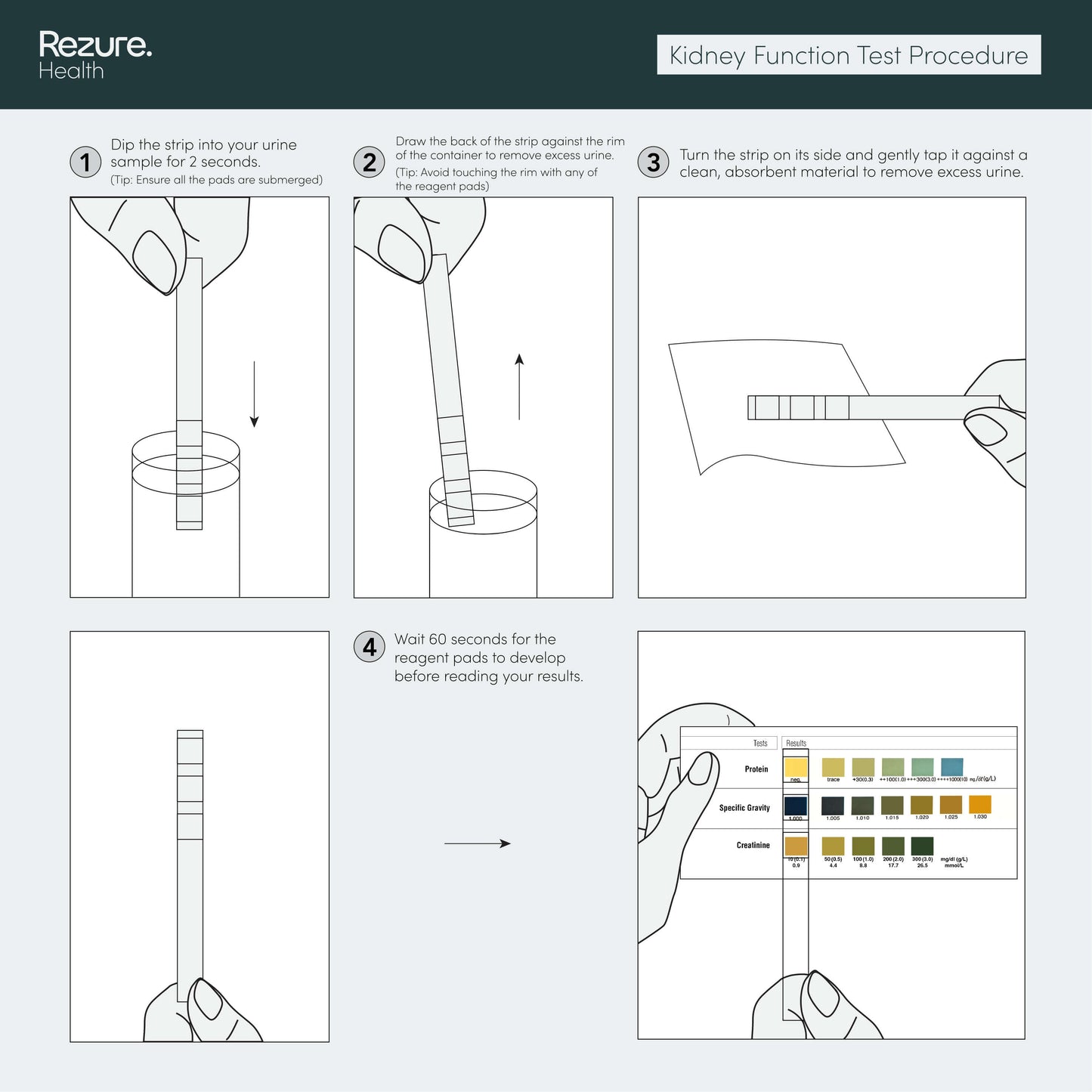
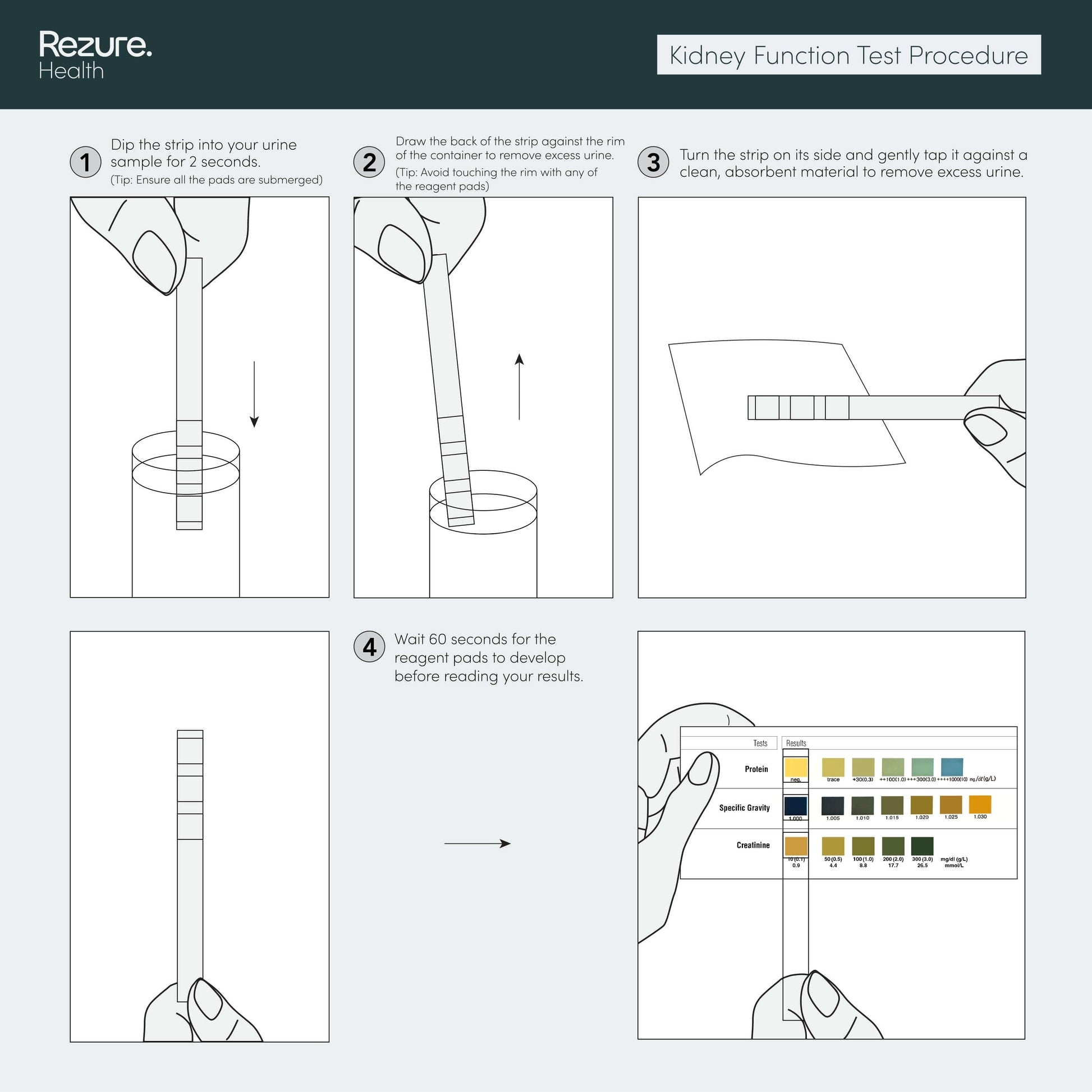
How to use this test

1
Collect the urine sample

Collect urine in a clean, dry container.

Ensure the sample allows complete immersion of all test strip fields.

Fresh morning urine is recommended for the best results.

2
Prepare the sample

If immediate testing isn't possible, store the urine sample in the refrigerator, but not frozen.

Bring the sample to room temperature before testing.

3
Dip the test strip

Dip the test strip into the urine up to the test area for no more than two seconds.

Ensure all fields are immersed.

4
Remove excess urine

Draw the edge of the strip along the brim of the container to remove excess urine.

Turn the strip on its side and tap it once on absorbent material to remove any remaining urine.

5
Wait for results

Compare the colours of the reagent pads after exactly 60 seconds with the colour chart.

Ensure the strip is horizontal to prevent chemical mixing from excessive urine.

6
Read your results

Match the colour of each reagent pad to the corresponding colour on the chart to determine the results for each parameter.

Ensure good lighting for accurate comparison.

Good value and instant results

  • At-home test for kidney health
  • Clear results in 1 minute
  • CE-marked for reliability
  • Sterile and safe to use
  • Detailed instructions included
  • Kit contains all you need for testing
  • CE-Certified

    The CE mark means our tests have been assessed for quality

  • Tested

    Each test has undergone clinical trials

  • Used by doctors

    Our tests are made from hospital-grade components

  • Rapid results

    Instant answers from the comfort of home